

The Human Experience · Episode
Episode 89 – James W. Jesso – Psilocybin, Plant Medicine, Deconstructing the Ego & Surrender
A conversation with James W. Jesso
Modern-day shaman, James W. Jesso, embraces his difficult mission in life as a conscious explorer, seeking, learning, growing, and educating others on what it’s like on the other side. His method for self-understanding and individuation is a deeply personal and profound one.
Stay with the full conversation.
Episode field notes
Show notes

You know that saying, “No job is finished until the paper work is done”? We can apply the same sentiment to quests for spiritual growth and self-actualization: “No inner work is finished until the shadow work is done.”
Modern-day shaman, James W. Jesso, embraces his difficult mission in life as a conscious explorer, seeking, learning, growing, and educating others on what it’s like on the other side. His method for self-understanding and individuation is a deeply personal and profound one. It’s unconventional and not quite mainstream — yet, but it is gaining validity in the scientific community. His “guru” is psilocybin mushrooms, or magic mushrooms.
Jesso spent years researching entheogenics, mainly with psilocybin. His journeys, thus far, produced three books, writing gigs, with the likes of DisInfo and PsyPressUK. Additionally, he writes his own blog, and travels extensively to share his journeys and wisdoms at entheogenics and New Age gatherings. For those more audio/visual, you can listen to his Adventures Through The Mind (ATTMind) podcasts and/or watch accompanying Youtube videocasts.
In this podcast we will discuss his popular books, 2013’s Decomposing The Shadow: Lessons From The Psilocybin Mushroom, and 2015’s The True Light Of Darkness, which both discuss spiritual growth using the psilocybin model.
Decomposing The Shadow
Famed psychologist, Carl Jung, considered shadow work key in the process of individuation. But most people in modern society live in denial of their “shadow aspect” — the unconscious aspect of the personality, which the conscious ego does not identify in itself.
“Everyone carries a shadow,” Jung wrote in his 1938 study, Psychology & Religion: West & East, “and the less it is embodied in the individual’s conscious life, the blacker and denser it is. …” (Jung also believed the shadow to be “the seat of creativity.”)
In this 2013 interview with fellow endeogenic seeker, Dr. Martin Ball, Jesso explains shadow work, and, what exactly, decomposing a shadow entails.
“The shadow is oftentimes referred to as ‘dark personality traits’ … but I believe the shadow to be the emotional root of what eventually precipitates into a dark personality trait,” Jesso explains. “And to decompose the shadow is to essentially go into that emotional root or unacknowledged element of ourselves and bring it up through a full, complete conscious catharsis for interaction with.”
Like Jung and many other awakened thinkers in this new-day spiritual revival, Jesso doesn’t believe in repressing our shadows, but rather, coming to terms with them, accepting them, and integrating them into our conscious lives in a positive way.
“When we decompose the shadow, especially, say, with psilocybin mushrooms, we bring these dark emotions up, they come to the surface of awareness, we experience them directly, let them metabolize. And then do the thing that is most natural and beautiful in life, which is to kind of decompose, disintegrate, and become almost like the base nutrients, recycled back into the soil of our being in some way, and utilized as the energy for a new perspective. …”
In a 2016 EntheoScience talk, Jesso explains The 4 Archetypes of Psilocybin — Psychospiritual Maturity & Emotive-Psychosynthesis — the model that seeks to destigmatize and legitimize psylocybin as a positive, self-transformation, giving one an overall sense of well-being and psychospiritual healing. In short, the four archetypes are: 1). Surrender; 2). Facing the shadow; 3). Uncovering the true self; and 4). Oneness. In so many words, this is pretty much what psychotherapy seeks to accomplish, but psilocybin strips the veil, stomps out pretenses, and cuts to the chase.

The True Light Of Darkness
Jesso wrote True Light of Darkness as a follow-up to Decomposing the Shadow,” because people who read the first book loved learning the subject, but wanted to hear more about his own experiences
“Where Decomposing engaged the intellect, Jesso said, True Light Of Darkness connects to the essence of human society, of community — its story. And together we can engage story-time and open up new worlds for everyone.”
When he wrote True Light, Jesso says it wasn’t about glorifying mushrooms, but rather, it was a warning. ” … The experiences I talk about are not fun, happy times. I was lucky to come out the other end.”
It seems Western medicine may never free itself from the grips of corrupt big pharma and insurance companies, particularly in the US, where the economy is almost solely driven by ill mental, physical, and spiritual health, which keeps society weak and submissive. But some pioneers are taking notice and are conducting studies, though not nearly enough of them. Jesso is not allowed to give his talks and workshops in the US until his lawyers get him the exception to carry mushrooms as a medicine. Thus is the condition of the acceptance of psilocybin in US society.
But people like Jesso are finding us other people out there who will demand our birthright — to live fully self-actualized, and freed from the past pains we’ve buried so deeply they manifest as self-destruction, self-sabotage, bad habits, low self-esteem and self-worth issues. Jesso imparts some of his wisdom on Emotional Trauma and Psilocybin, in an article for fellow entheogenicist, Graham Hancock, and his insightful Visit grahamhancock.com.
“The courage to feel sadness or loneliness or inadequacy with surrender and self-compassion — to know them like an extension of our own healthy selves — and in doing so, allow them to change and inspire us into something grander is an expression of empowerment that we are all endowed with,” Jesso writes. “We just need to decide whether we are ready to walk this lifelong path. But it won’t be easy.”


Order Jesso’s books Visit amzn.to.
~The 411~:
The True Light of Darkness site
PsyPressUK author page
Emotional Trauma & Psilocybin article
Entheogens & the Mind of Society article
Fantastic Fungi article on Jesso.
Music used for intro: CVRL – Pilot
BECOME AN HXP NINJA:
If you value even one of our shows, become a member get exclusive early access to our recordings, extra bonus content for each of our episodes a chance to request guests you want us to bring on and so much more.
Read the conversation
Transcript
welcome to the human experience podcast the only podcast designed to use your left and right brain hemispheres and feed it the most entertaining and mentally engaging topics on the planet as we approach our ascent please make sure your frontal temporal and occipital lobe are in their full component curvature as you take your seat of consciousness relax your senses and now ask to take you on a journey we are the Internet strangers thank you for
listening [Music] what’s up guys Xavier Kassala here with the human experience and Wow we had James gesso on covering his work on psychedelic experience and still silent specifically this is a very informative conversation and I think you guys really really enjoyed it the membership section is coming along and we’ve got a bottle there now that you guys can click on and we’re going to put the personal part of this which you’re
going to want to hear change with personal experiences with your until you get to the community calm flasher members become a member to connect with to the county that I we don’t really try doing thank you guys so much for the human experiences diving into the realms of the psychedelic experience with our guest James yesö James my man welcome to HIV thanks I’ve ever so James give us D give us the about me man like where did you
grow up how did you get into this material all that I I grew up jumping around towns as my father was a construction worker following the work here in southwestern Ontario which is where I’m living now mostly London Mississauga Kitchener for anyone that knows anything about the geography of Ontario but my parents were good healthy god-fearing Christians and I was a fairly sheltered little boy until around 14 or so when I got exposed to the kids
that my parents wanted me to have nothing to do with which eventually got me into just sort of the early high school Canadian I guess story which is getting exposed to cannabis and becoming a bit of a stoner and the long and the short of it is eventually I got the taking psychedelics and in my mid-20s early 20s I got to taking psychedelics alongside with AWS pretty much whatever drug I could get my hands on increasingly more destructively until I
had messed up my whole sense of self and my whole sense of what it was I was doing with my life became very confused and sick and had that be a catalyst for me to somehow reach into the very same pool that had gotten me lost to find my way back out again which was to build a an ally ship with civil siphon mushrooms to bring my life back into clarity which essentially launched me on the path to becoming who I am today which is
whatever my bio reads but I write I travel around I public talks and I run a podcast called that line radio yeah man um you know and a lot of your work and we can get into the psychedelic side and we’re going to do that very soon and just a sort of cautionary note I mean we don’t you know advocate anything illegal here doing chains uh nope depending on if in your country that you’re listening to it’s it’s legal to advocate in which
case so I just want to put that out there so I mean your work seems to center around the shadow and exposing the light within the show why why is that I’d say that it it was because during my early phases of I guess developing a mature relationship with psychedelic psilocybin in particular I realized that I was all confused and and feeling all sorts of very dark we could say negative emotions in a very unskillful way in a
very repressive way in a way that trapped them inside of me and thus trapped me inside of myself with them and that a lot of my psilocybin experiences even still but especially in those first that first wave of the healing usage was about ringing that stuff up it was about learning how to soften into the vulnerable and often uncomfortable honesty of just feeling shitty feeling shame feeling loneliness guilt sadness inadequacy grief feeling
these things and then seeing on the outro you know all along being somewhat guided by this inner voice of the wise consciousness be it mind or the mushroom or some mysterious marriage between the two all the while being guided being shown being offered realization that it is the feeling process that carries this painless suffering the feeling process of cathartic dark etc it carries it from within through the body through the surface of
the experience and out in a way and in doing so creates a nourishment almost like a decomposition of one’s stagnant emotional repression so as to nourish the sense of wonder the sense of growth and the possibilities of one’s own maturation following that that catharsis it feels like such an important part of who we are this the other side and it’s also the part that we we hide from and yet are inundated with constantly so to
me I felt like one of the most important things for me to represent in this was that other side of like a yeah it sucks sometimes to take psychedelics it like really but that’s not a bad thing and if we believe it to be a bad thing because we’re conditioned with all this let’s just say underdeveloped perspective on what the psychedelic experience means underdeveloped mean somewhat immature to say it’s all about fun and it’s all
about this and talk about whatever without the inclusion of the of the work then we’re going to get ourselves in trouble when the that hard stuff comes up no matter what it will eventually come up we’re going to get ourselves in trouble because we won’t know what to deal with it so that’s why I focus on that aspect of the psychedelic specter or at least that’s why I made a case for its importance to lay a different foundation for how we can relate to the
psychedelic experience to play in the wonder but also the tempest of suffering that it can also awaken inside of us absolutely you know in my own dives into its like experience mostly with ayahuasca I found it’s very much like an onion of your soul and it’s kind of like taking one layer off at a time and kind of stripping your ego away removing this part of yourself and you know whether that brings up healing for you I think
that’s on your own merit I mean that’s kind of whatever is necessary for you to step into the next phase of your existence the next part of your existence that’s that’s kind of what it shows you hmm I like this term one taste you could take that to a place of non-duality which is where the sense of self the sense of I which you for the most part probably identify with us being Xavier and I identify with as James sort of
that layers of the onion peel back to the point in which I am no longer James I am that I am that that fuller everything at the sort of base of the onion there’s nothing but then there’s the one taste that can be looked at in so far as our emotions when we get to a place for me a really healing beautiful place is when I’m in a psychedelic experience which may or may not be catalyzed by drugs but I’m in a place where it is sad
maybe I’m facing deep grief that is almost beyond myself that it’s not just grief my own suffering but the grief or the suffering of others that I care about and it hurts and it and it really deeply hurts but at the same time it feels good and it feels right and it feels it feels just and it feels nourishing even while at the same time it hurts and there’s that one taste place as well that yeah there’s there’s there’s definitely
different layers all the way down yeah I really like the one taste analogy you know there seems to be this sort of psychedelic Renaissance occurring right now in our time I think within our generation where we are seeing past this sort of curtain of pharmaceutical drugs where the side effects are listed as you know suicide and and whatever else and we’re moving into the sort of realm of of looking for answers with these
medicines I call them medicines ayahuasca is not a pleasant experience like I don’t I don’t drink ayahuasca to you know go and party with my friends I drink ayahuasca because it shows me a part of myself that I can’t I mean through meditation and then other ways you can see this but it’s kind of like you know people use the analogy with ayahuasca that it’s like 10 years of therapy in a few hours four hours eight hours so how did
psilocybin do this for you because there’s all of this research coming out about so Simon being neurogenic meaning it regrows the cells in your brain I mean how does this I’ve been do this in your experience a lot to unpack there insofar as I just want to make a couple points and the things that you said there for example the statement that ayahuasca can be like ten years of therapy in an evening I really think that and this applies with
with all the psychedelics whether or not at 10 years of therapy that you’ve progressed through or almost nothing that you’ve progressed through or ten years of therapy that you’re going to need to have afterwards really depends on on how on how it’s held and and what you come back to and then how it lands in you as you come back to to the world around you and so I definitely see how pharmaceutical industry has really
distorted the Hippocratic oath in a way and the whole economic system around the money and politics of school and medicine has really distorted a lot of things it seems like the emergence of psychedelics being non-patentable if that’s a word is really flipping that on its head it’s also going in for something that I guess in a way very new and very groundbreaking but also seemingly obvious in it’s truthful treatment of whatever ails us at the
core of our soul the core of our being because it seems to dissolve away the normal patterns of emotional and psychological behavior which in doing so dissolves away the typical guards defense postures that we’ve inherited or maybe developed over the course of our lives to protect ourselves from pain and suffering but in doing so have sort of locked ourselves in these stressful contorted hyper-vigilant negativity biased perceptions of the world and of
ourselves and ultimately just creates degenerative issues in our in our mind and in our body and the psychedelics seem to soften all of those things and bring up something new and this is getting into talking about my experience with why psilocybin helped me do this because it seemed to get down some times quickly sometimes slow and agonizing way to a core sense of Who I am and that wasn’t always like I said before comfortable but it allowed me to
let go and then at that core there’s some sort of shift in how I see myself or how whatever events that happened previously in my life that left me guarded but left me angry that left me hurt that how I see myself and how those events have landed in me shifts they land differently on my way back up to my orb down to my normal baseline of consciousness and in that there’s almost a placebo effect in a way which is that
for me it changes the mind it changes the inner workings of ourselves and manifests as the physicalities as the neuro immunological endocrine system and then in turn we can walk through in a healthier way but again this depends on how the space is held how prepared are you to go and how prepared as a person they’re with you what kind of support do you have on the way back what kind of support you have back at home what kind of changes
are you making or not making after the process and having add now a lot of research as in like underground research since the sort of like psychedelic Inquisition that went on for a while there in science and then above-ground research we’re really laying a fantastic foundation for how to merge the tools of psychedelics inside of a therapeutic scenario yeah I just you know I I don’t even think it’s underground anymore you know
and I think at first and with the work that maps is doing the Hefner and Stu’s doing I feel like this is this is the next evolution to the next phase you know a big reason for why I chose you to be on this show is because I feel like we’re moving into this realm where people are like in the 80s we have this just say no campaign and I was I was brainwashed by back campaign I made sure drugs were evil and bad and bad for you you know it took me a long
time just to start forming my own opinion about you know what and drugs quote drugs are you in your book decomposing the shadow you make this excellent parable from Star Wars where you talk about how Yoda trains Luke Skywalker can we let’s get into that a little bit well I haven’t really entertained that idea in a little while not since I am release it on reality how much not too long ago can you ask me a more specified
question about what insofar as that concept you’d like me to expand on how do you think that becoming you know this sort of Jedi warrior is related to ingesting psilocybin well I mean there’s obvious correlations there if you look at sort of the deep philosophy of Star Wars in and around the concept of becoming a warrior of light against against the darkness that for me sits in a positive way in my psychology but in my specific reference
of Luke and Yoda in the dag of a swamp what I was getting at was here it comes this person who is seeking to find themselves empowered with the birthright that is there simply as being born in who they are and that they go to this swamp to meet this master so if we’re just looking at this from an archetypal way so like the deep forest as like the archetype of going into the mind so he goes into the swamps the dark places and
they’re in the dark places is a teacher that has obvious reference to mushrooms here because the teacher is like small and like sort of like bringing and weird and lives in this little hut in the ground but he Luke develops an ongoing relationship with this teacher and slowly but surely the teacher by saying these these large sort of broad metaphysical philosophical phrases which coming from anyone with any less wisdom
would be platitudes they would be trite but coming from him it’s with deep profound wisdom and Luke goes through the swamps with this wisdom whispering in his ear that is simple but clear and the ultimate test for Luke was whether or not he could go in to the depth of his greatest fear to have the courage to go in and not just to go in but to go in without his weapon that is to say to go in unguarded and in that place he comes
face to face with what scares him but he did not go in unguarded he freaks out he attack and he becomes highly disturbed when he sees that the very thing he’s afraid of is actually himself I mean there’s there’s definitely more layers to the story there but this to me is very similar to the psilocybin experience you enter a ceremonial space it could be a room it could be the woods and either way you’re going into your
mind you’re going into this places and all the while as you’re sort of navigating journeying through your mind guided by this sort of inner over voice that’s whispering these is wise little snippets little soundbite you’re guided and the greatest test I’ve found are most certainly the moments when you’re being encouraged to look at what scares you and if you don’t go in with surrender if you don’t go in willing to let all your weapons and defenses down
then the very thing that you will be exposed to will hurt you it will harm you instead of heal you which is what it can do and so that was my reference the Star Wars thing that’s why I but again there’s that and also at the time I was just eating out hardcore and how awesome the eye strikes back yeah it really is yeah man I mean I think I think that’s really well stated and so a great metaphor analogy to the psilocybin
experience a psychedelic experience and you know what we’re experiencing while we’re ingesting these divinity compounds let’s get into some science you know you talk about how there’s this increase in functional connectivity and the reduction of blood flow to the medial prefrontal cortex like what is since I’ve been doing to treat issues such as depression why is it so helpful for this Wow hey I haven’t brushed up on the
research papers in a little while but I’m going to take this question maybe in a different direction and possibly you’re intending not that long ago I was facing some intense post-traumatic stress disorder which was bringing on an anxiety condition and depression and all these other things and in that I started just reading the literature like crazy I had already been familiar with you know a lot of the literature in sperm as
the sort of pharmacokinetics of psilocybin and I decided I was going to write a paper I was going to write a long essay this is my perspectives on how and why psilocybin can treat and possibly cure I’m not a doctors enough to hesitate was saying that with chronic depression as I went through it and I hit the books hard on this and then had to drop the project because I went touring and then when I sat back down to look at it again I had realized that
I was overtly intellectualizing my understanding of the process as an attempt to dissociate myself from the turbulent emotional discomfort that I was in on the regular because of my illness I was facing and that feeling that illness having resolved a lot in my travels I was able to look at it a different way and I saw that psilocybin is ability to reduce blood flow and the medial prefrontal cortex and posterior cingulate which are said to be
overactive in people with depression and and then to possibly reduce the fear response which would say that it has something to do with maybe reducing the synaptic complexity of the amygdala which is associated with trauma but synaptic complexity all the while increasing functional connectivity in the brain which is sort of like it all sort of speaking to itself in different ways while surprisingly enough reducing global brain function totally it doing
that that’s not how its fixing the depression the sort of neuro centric causation model or take the drug fix the brain problem I think is incomplete if not dangerous and that I believe that what we’re seeing and I really appreciate a man named Bernardo Castro for his language around this what we’re seeing when we’re looking at the brain scans the fMRI this is his words it is important that we don’t confuse the cause of a thing
with what something looks like to me what’s happening when we eat psilocybin is yes you know the psilocybin in the mushroom is getting dephosphorylation the gut converting it into solisten which is crossing the blood-brain barrier and working as a neuromodulator agent to modify blood flow in the brain and we see the association’s of how that modified blood flow you know what the associations to depression are and we can hypothesize
around that but I really believe that what’s happening is a subjective change that’s the important piece to look at the mushrooms are going in and what we’re seeing and all that physical stuff is what it looks like objectively for the person consuming the mushrooms to go in and resolve the unresolved emotional trauma emotional issues to shift that inner subjective experience into a angle or a calibre which enables them to have
more self-confidence maybe or sense of wonder sense of beauty of joy of coming to terms with whatever it is they’re coming to terms with and thus creating over time a reduction in a hyper-vigilant stress response apparatus which slowly degenerates every part of our body and mind and that that for me that’s why the psilocybin can help us do that I mean maybe I’m leaning a little bit more on the mystical side of things
here but I do think it’s the subjective change that for me cause the most tension despite how fun and interesting all the pharmacology words are yeah you know the mainstream is so far away from the so removed away from this and I think mushrooms are still a Schedule one substance or at least in Europe it’s a class one drug so that means that they have absolutely no medical usage whatsoever I’m looking at this study published by The Lancet Psychiatric
Journal this is from last year they took this clinical trial where they had 12 volunteers for three weeks and an active dose of MA shrooms psilocybin was able to lift resistant depression in all of the 12 volunteers for three months so if you have Western medicine on one side and then you have this counterculture movement on this on the other side for Western medicine you are trapped in this loop of going back to your doctor going
getting more antidepressants you’re you’re stuck in this loop you’re their consumer you’re just a consumer right so if there’s a substance out there like suicide than just a fungus that grows out of out of Cal you know it’s amazing and another reason another huge reason that I want to create more awareness about this is because I think we had Rick Doblin on from maps and I got this email after that interview from someone in the military they said
something like thank you so much for doing the episode that you did with Rick after I heard it I was very divided on what I should do about this they were suffering from PTSD they were deployed we had just served in Iraq fighting for our lives and they come back and they’re there these broken individuals and there’s no answer for this there’s no treatment for this it sort of he follows me that we’re still in the midst of this
and that Western medicine has failed us as a culture mm-hmm I’ve actually just recently heard a statistic that I can’t quote so it’s totally hearsay but that more veterans have now died from suicide as an extension of post-traumatic stress disorder than have died actually in the war that they participated in yeah I mean it’s a stunning staggering statistic that it’s scary man because these people are fighting for our
so-called freedom and they come back and they suffer from PTSD and we have we don’t have a solution for them yet but you know it’s conversations like this one that are help paving the way to changing that James so when a person someone that doesn’t have experienced any experience with suicide and is ingesting mushrooms like me where should they be what’s a good set and setting mindset for this that’s great it kind of is a question
that allows me to address some other things that you’re saying just there before which is that I don’t really think it’s responsible to advocate for the taking of psilocybin mushrooms a fungus that just grows out of also decomposing wood as well but to just take them if you’re you know suffering you have depressions especially if you have trauma personally that didn’t really go super well for me with trauma because it’s very easy to
hurt yourself even more so if what you’re facing is really deep and I think this is why there’s so much positive results from the studies that are happening now I mean I I mean a lot of people who are very positively affected by their you know recreational and then beyond recreational say spiritual therapeutic relationship with mushrooms who have never seen the therapist and have never no intention at all to ever sit with a psychedelic psychotherapist
but I know a lot of people who will never touch mushrooms again and are frightened from psychedelics because they were exposed to things that they weren’t ready to and I believe the safe structured environment that academia is producing or psychedelic psychotherapy is an essential ingredient for people to get the positive the results that they’re looking for however I also believe that the various qualities of safety and guidance that a se academic
or therapeutic environment can offer is repeatable like you can do this on your own though it’s much more risky and there’s there’s a lot of factors to consider and one of those factors being the chances of the person leading you is not likely a trained psychotherapist with specifically the desire to help you target what you’re going for and come up with good results I get this question a lot what are sort of my suggestions
around starting out and I think the first suggestion that I have is if you’re going to take mushrooms and I’m talking to the people here who aren’t Psychonauts they’re not looking to take a shift in their relationship this is people who have never taken it before and are either intrigued by the concept or looking to face something heavy inside of themselves I would suggest doing them with friends doing them with other
people because there’s a much greater sense of safety that can be held and that it’s that sense of safety that’s very important if you’re with multiple people and you can look to each other to help each other then it’s likely that you’ll be much more able to relax surrender and be present with what’s coming up now finding people can be problematic because maybe you don’t know anyone maybe with only people that you know just like to eat mushrooms and
smoke cigarettes and drink alcohol and go to the bar which certainly isn’t the best way to make use of medicine but I think going in with other people is important at the very least having someone who you trust having someone to sit with you while you go in and start small start really small I know that there’s sort of a threshold dose for me it’s like taking so much that I don’t have to try to get there it pushes me
there and I’m just sorting it out on the way back but not so much that the place that it pushes me to makes absolutely zero sense and I’m trying to like Atlas trying to carry in the weight of this like cosmos size ID on my way back and end up doing no personal work at all but for the entry level the last thing you want to do is hurt yourself in the process of starting small I think is good and with somebody who you can trust
and if you have a therapist that you can talk to or somebody that you can talk to about this this is really important for you to better understand your experience to apply what you’ve learned journaling is a good way of checking in with yourself and getting a sense of of what you’ve gone through it’s definitely not a replacement for a therapist it’s a great adjunct and it could be good even if you don’t have a therapist to talk to
if we can’t share our experiences then eventually we might accidentally occult them and if we occult them then we might not be able to learn from them and the sense of desperateness that comes from Zurich say you last effort to cure your depression not working can be far greater than not having had the mushroom experience with all yeah is there anything anything more I should address them you know for me it’s like this sort of decompression phase when
you’re leaving a journey such as that and I think it’s a great note that you mentioned that you should do it with other people I agree completely you definitely don’t want to be sitting alone in your room in front of your computer on until assignment I think was Terence Mckenna that talked about how you know when you take these mushrooms to take them in a completely dark environment have everything completely dark as you enter this year of existence
but also for you know this sort of post loading you know just being aware of your your own body and your own kind of self-awareness and knowing thyself enough to have that safety net of other people but also not going too far and starting small just like you said you know there’s a head but I was just going to say I was going to shift into the next next thing of this so if you if you want to add something go ahead yeah I
was just going to say that those suggestions you know they’re not they’re not prescription they’re just descriptions descriptions of things of things that have worked there’s there’s so many different angles there’s a great value to be had in taking mushrooms by yourself what Kalindi EE calls the journey of the alone into the alone because if there’s even just one more person there the persona remains I mean there’s nothing necessarily specifically
advantageous about going in by yourself if you’re treating something heavy or you’re inexperienced because it could make it it can make it a lot worse i mean even parents the Bard himself ended up not taking mushrooms for several years because I believe he got frightened by something so he’s a great glass for possibly his uh his usage advice might not be the most stable they were into some really heavy stuff and we made I think they found a cache of
mushrooms when they were in South America and I don’t know what they were looking for were doing there we’re gonna have Dennis on next week actually so he’s coming back on four second degree soft ask him again but um I think we’ve covered a lot of ground here James I mean we’ve covered these these cultural aspects of this demonization of this compound of this medicine also you know we’ve talked about how to properly take them and what
to expect from in a minute if in my opinion if you’re not scared if you’re not slightly scared of what’s coming probably doing it wrong yeah yeah new greenie I would yes it’s a simplification that might you know if you try to scale it too much it can lose its efficacy as a suggestion but once you learn the power it’s not a fear or scared because of like oh no it’s more like a reverence like in deep respect like I’ve had deep it so I’m almost less
of a fear but just like deep respect I almost think about mythology around the booming voice of God that’s like like what is it that movie with Jay and Silent Bob maybe Dogma or something and God at the end is Alanis Morisette okay and that she has people speak angels speak for her because to hear the sound of her voice explodes your heart you know so it’s like that kind of respect yeah that reverence is absolutely necessary man there’s there’s a respect
for all of these compounds whatever it may be whether it’s else D or psilocybin or ayahuasca we’re you know they’re pre journey you know you humbly bow and and I think you said it earlier but it’s just this aspect of surrendering because you have this ego sense of yourself and you’re coming into an adventure like that strong and you think that you’re going to defeat something you’re going to have a bad day it’s going to be a bad
day yet it’s Luke not leaving the lightsaber behind behind what’s up guys you’ve been listening to our episode with chains gesso to hear the rest of digit so get to the human extinct on flashing bumpers and you can help support what we’re doing here help keep the show alive help us get gasps help us go longer help us get into a video format and I’m going to eventually get into a vehicle mat here so definitely get to the human xpcom slash
members and remember today thank you guys so much for why do I look like a human experience podcast podcast the most easy and perhaps cop-out answer I can give a right off the bat is that my life is my own human experience so already the title is relatable so then you start listening or I start listening and I’m hearing about things that aren’t really talked about and subjects that don’t quite come up because they’re
considered with sort a boo perhaps especially from where I’m from I’m from Texas and nothing not the hater effect but I am surrounded by a lot of people who are how do I say not everyone is as open-minded any podcast that encourages you to be open-minded in my opinion is a positive thing this thing the other thing I really enjoy is that no matter what the subject matter is the conversation is always captivating to listen to I try to find podcasts that
are very easy to understand and easy to listen to but not so easy that it’s like they’re dumbing it down for me and I think this podcast was a very fine balance of that the the interview is the subject matter are stimulating and there’s things I didn’t really know about so I find myself learning an immense amount but it’s not straining it’s not draining it doesn’t make me exhausted and to be honest you know when I am working all day and I have to spend
you know what two hours a day in traffic maybe three I don’t want to be drained even more by something that I’m choosing to listen to I can be passive and just listen to these two people connecting and maybe connecting sometimes but at the end of it all it’s a positive experience it’s stimulating and my ears enjoy it so really what I’m trying to say is that there’s no reason not to listen to the podcast so why not just
listen and if you’re a human and you have extreme and you want to have more transcendent experiences I think the human experience is giving the tools that people could need if you’re at the human experience I just want you to know you guys are awesome you rock and keep doing what you’re doing you know this is just a testament to our commitment to bring you guys life-changing stuff that will affect your life in a positive way and
you know my my deepest most grateful heart melting thanks to Hannelore who submitted this for us and Wow what a huge huge testament to everything we’re doing here so hope you guys enjoyed this little blurb of her telling us why she listens to it Rafi and it motivates you to become a member of what we’re doing thanks guys [Music]
Ideas worth returning to
Quotes
Five substantial excerpts from the published transcript, lightly edited for clarity without changing their meaning.
“Whether the guide is the mind, the mushroom, or some mysterious relationship between them, the realization was that feeling carries suffering through us. Grief and catharsis move from within the body to the surface of experience and outward. The process resembles decomposition: stagnant emotional material breaks down and can become nourishment for a different way of living.”
From the conversation“In a deeply healing psychedelic experience, grief can extend beyond personal pain to include the suffering of people we love. It hurts intensely, yet the willingness to feel it can also feel good—not because suffering is pleasurable, but because resistance relaxes and the emotion is finally allowed to move.”
From the conversation“A person may discover that the frightening presence they are confronting is part of themselves. That resembles the psilocybin experience: you enter a ceremonial room or the woods, but psychologically you are traveling through your own mind. An inner guiding voice may lead you toward what fear had kept hidden.”
From the conversation“The physical changes observed during a mushroom experience may accompany a person working through unresolved emotional trauma. If the inner experience shifts, the person may emerge with greater confidence, wonder, beauty, or joy, or with a new capacity to accept what happened. Over time, that change can reduce suffering in daily life.”
From the conversation“Some people develop a beneficial recreational, spiritual, or therapeutic relationship with mushrooms without ever seeing a therapist. Others encounter material they were not ready for and become frightened enough never to use psychedelics again. Those different outcomes are why safety, preparation, context, and support cannot be treated as optional details.”
From the conversation
About the guest
James W. Jesso
You know that saying, “No job is finished until the paper work is done”? We can apply the same sentiment to quests for spiritual growth and self-actualization: “No inner work is finished until the shadow work is done.”
Episode 153 – Carlos Tanner – Healing Trauma/PTSD – Plant Medicine, Ayahuasca
December 26, 2019 · 1:08:44
Episode 147 – Dr. Christopher Bache – Navigating the Mind of The Universe
October 17, 2019 · 1:08:35
Episode 123 – A Drink With Dr. Dennis Mckenna: Plants, Ecology, Ayahusca
October 23, 2018 · 34:59
Episode 91 – “A Drink With Dr. Dennis Mckenna” (Plant dynamics, Macro-Ecology)
April 3, 2017 · 34:59
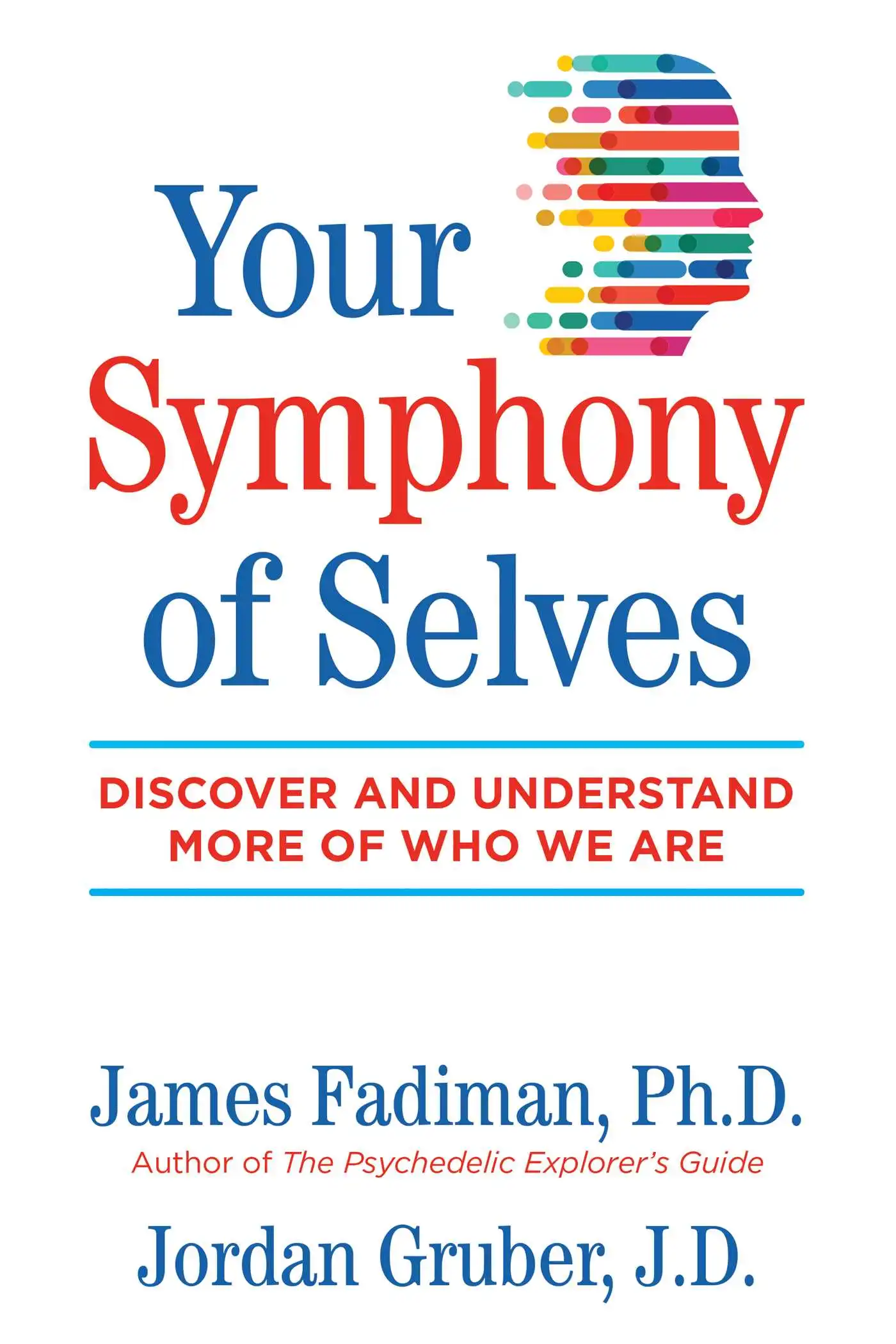
Episode 194 Dr. James Fadiman – You Are Not One Self: Microdosing, Multiplicity and the Mind
September 4, 2026 · 1:14:38
Independent conversations
Help make the next one possible.
Membership sustains ambitious, unhurried interviews and keeps the complete archive open to curious listeners everywhere.
Become a member