

The Human Experience · Episode
Episode 87 – Oren Klaff – Pitch Anything (Billionare Pitch-man Oren Klaff, teaches how to: Pitch Anything!)
A conversation with Oren Klaff
Oren Klaff is one of the most animated and enlightening pitch men in the business. According to his company bio, Klaff founded his company, Intersection Capital (IC) in 2005 and has since grown the firm to approximately $2 BILLION in aggregate trade volume across a diversified portfolio of transactions.
Stay with the full conversation.
Episode field notes
Show notes

According to his company bio, Oren Klaff founded Intersection Capital (IC) in 2005 and has since grown the firm history to approximately $2B in aggregate trade volume across a diversified portfolio of transactions. He is responsible for business and product development and oversees Velocity method of corporate finance, which offers a proprietary method for packaging deals.
During the growth he was responsible for sales, marketing, branding, product and business development. In the previous 5 years in the securities markets, Klaff directly supervised placement of over $450M of investor capital. Prior to founding IC, Klaff was a venture partner at several middle market equity funds. Klaff also sits on the investment committee at Geyser Holdings, where he has been a principal since 2006.
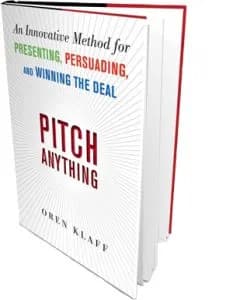
Klaff’s popular business bible, Pitch Anything: An Innovative Method for Presenting, Persuading & Winning the Deal, released in 2011, opened the door for his A-List client personal coaching and training via Pitch Anything Edge, and Pitch Mastery.
IC’s investment banker sector experience covers technology, healthcare, and asset-backed securities.
Tested & Proven: NeuroEconomics.
Klaff’s winning appeal is not simply a good, clean, look armed to the teeth with charm. His hunt for that secret winning formula finally came across something that broke it down to a social science. He found a group of like-minded business comrades in the new science of neuroeconomics. They discovered a field that sorted out the different motivation and economic responses of the human mind. It was a real science that showed how the brain responded to pitches, and went about testing it.

With this combo of neuroscience, economics and psychology, Klaff and his peers learned the role of the brain when we evaluate decisions, categorize risks and rewards, and interact with each other. “This was my first exposure to a credible group of people studying the same thing as me — how the brain responds to financial offers,” Klaff said in his “unofficial bio” page. “This was the first time I came to believe a unified algorithm for pitching could be developed and used.”
He was fortunate, he said, to be able to work with a very wealthy principle who let him experiment and make mistakes. He’s learned the art of romancing the Croc Brain — the limbic system, the fight or flight sector.
Framework: Break It Down & Stay STRONG!
S: Setting the Frame
T: Telling the Story
R: Revealing the Intrigue
O: Offering the Prize
N: Nailing the Hookpoint
G: Getting a Decision

It seems simple enough, but when you consider the neuropsychological aspect of the power of persuasion, you find there’s much to learn. Klaff’s Pitch Mastery course. Companies like Xerox, Harvard University, McGraw Hill, Amazon, All State, Cisco and Whole Foods, among a slew of others, has sent its troops in to take Klaff’s training.
Klaff broke down the concept on the Art of Charm podcast. An overview: the art of the psychological observances for pitching a person anything — even relationships & other pursuits — is to keep it to 20 minutes or shorter. That is the absolute longest human beings can pay attention to anything in that type of setting. In short, Klaff says you must accomplish these things in those 20 minutes to score what you are after: Present a brief introduction, then get everyone’s agreement to go full-throttle into the presentation and discussion. That means you’re holding their attention.

Learn how to pitch absolutely anything. Buy this book, right now.
Then: 1). Frame what you have to offer them; 2). Show them why yours is the best & why you’re the expert; 3). Raise the stakes & create scarcity in their minds about working with you and your wares.
Begin your journey to “pitch perfect” here. Order Pitch Anything now!
~The 411~:
Pitch Mastery class
Pitch Anythingbook.
Pitch Anything Edge training.
Pitch Mastery intro pdf.
Done Deal youtube channel
London Real AcademySuccess Secrets/a>
Take Control article by Anthony J. Yueng
Use These Persuasion Tactics (Almost) Like Mind Control (transcript)
When Mr. Big Cancels Your Meeting, Frame Him, by Oren Klaff
We rely on listener support!!
If you value even one of our shows, help us sustain and scale the show up. Become a member for $5/mo (a cup of coffee) or Donate.
Email us and win a free prize.
Read the conversation
Transcript
welcome to the human experience podcast the only podcast designed to use your left and right brain hemispheres and feed it the most entertaining and mentally inventing topics on the planet Anthony approached our saying please make sure your frontal temporal and occipital lobes are in their floor Formica vision as you take your seat of consciousness relax your senses and allow us to take you on a jet we are the internet
strangers thank you for listening we can let this go if no no it’s all good my producer is gonna love this by the way nobody sent us a million dollars for that that’s not a real company we just have just made it up here okay I know it sounds good everyone calm down in fact you can steal that idea it doesn’t matter how good your product your service your idea your company is if you start that presentation from the low status
position you will not be listened to what’s up guys what an interesting interview with me author of a book called pitch any big mr. Oren cloth and it’s really intriguing what he has done as far as the neuro economics behind how we pitch things in our lives whether it’s to billion-dollar companies that has an entrepreneur or startup or to your girlfriend or your wife or your husband or boyfriend’s and where you’re going to dinner that night but you put a
formula into not selling but pitching different ideas and there’s so much value in this conversation I really really truly think you guys will enjoy it here is that conversation or at least the public section of the conversation again guys we are moving into a members content only area where the rest of these conversations are so powerful and so huge that you’re not going to want to miss these you want to become member of
hxp I’m still working on the set up for that so stay tuned but you’re going to want to become member otherwise find us on Facebook Twitter YouTube all acts human XP thank you guys so much for listening with so much effort and work into these shows we love doing it so hopefully see on the numbers content side of it thanks guys [Music] the human experience is in session my guest today is mr. Oren Klaff Oren thank you so much for your time and presence
sir welcome to hxp hey for the three seconds I’ve been here I’m happy to be here well I mean the you know the history of me finding you is pretty interesting I talked to a friend of mine and I was in the process of pitching these these startups and I’m sure he’ll be listening but he’s just like you’ve got to check out this guy named Warren Oren Klaff and I’m like what do you tell when you talk money’s like he wrote this book called
pitch anything you’ll love it you’ll love it so I dove into your material but for the people that don’t know anything about you can you just kind of lay that out for us please well let me see yeah I mean if we’ve got the the audiobook is about six and a half hours so let me read that to you now if you have listen listen so the most of us aren’t straight up and down attack dog salespeople or CEOs or engineers or salespeople entrepreneurs we’re pitching
a deal and we don’t like this sense of always be closing selling asking people begging people being in the supplicant position trying to close a deal from the low status low power position so what happens if we’re just a regular we’re an engineer or a CEO or an entrepreneur we want to pitch ourselves authentically but powerfully without selling without feeling cheesy that’s very difficult to do and pitch anything is a way to understand how the
mind of the buyer works so you’re presenting your company your deal your product your service whatever it is so it comfortably slips into the mind of the buyer they feel good about it you’re not being cheesy and it’s a comfortable fun novel interesting experience for everybody to meet you while you’re selling your deal whatever it is and so as people have learned to do it the way I do it the the reputation is built and
I know maybe half of Silicon Valley now pitches deals to pitch anything wait because you don’t feel cheesy you don’t feel like you’re begging and you’re doing things the way humans actually like to work with each other maybe I would explain it that way okay let’s let’s go back a little bit and dig into the pitch anything method you send out a lot of different emails about all of your different experiences in in pitching all
these different companies it’s very very intriguing so if you could just just back up a little bit and give us the breadth of the the pitch editing process please yeah so what I mean I would go back to one step from that when you look online most of the information online as sales or motivation or life coaching or how to start a business are from marketers they really haven’t done anything or they’ve done it once I’ve
spent my life day after day on the phone or in boardrooms trying to get ten million dollars 50 million dollars 70 million dollars from banks from billionaires from private equity funds hedge funds venture capital group’s companies and so pitch anything is really about those experiences having done that a thousand times being in a thousand pitches raising a billion dollars in capital and seen a thousand pitches being given to me and so it’s
born of experience not ideas or reading a science journal on Harvard Business Review and and sort of thinking that’s how the world works based on that what I’ve learned is that it doesn’t matter what you say as much what you say in a presentation is how you got to that presentation by that I mean what is the status that you carry into a meeting onto a call it doesn’t matter how good your product your service your idea your
company is if you start that presentation from the low status position you will not be listened to people don’t pay attention to those with low status and if you’re inexperienced some people come in with low status and they lower it even further from there what can we do to a preserve the little status we have and B grow our status very quickly prior to even giving the information about what we have that’s one of the central questions around how
to give good great amazing presentation I love that because you’re right I mean status if you just as an example when we started this show it was difficult to get big names on it was difficult to get people to listen to what we’re doing now it’s extremely rare for someone to say no to being on the show after they see the numbers and the metrics and the people that we’ve had on just so it’s a very status oriented thing you also talked about frame
control how does this how does the person work with frame control are using NLP term first off now get mad because we’ve talked early it’s Thursday it’s not a Mondays I’m nice on Thursdays kind of a dick up so so NLP let’s just if we can strike that from our vocabulary it is not taught at any credentialed college university academic institution it’s not a real thing you can’t touch someone on their left shoulder look up to the left and have
them you know by your service there’s just the NOP is not a thing by contrast you can look at something like EMDR which is as obscure sounding as NLP it which you move do you know yeah they are yes yeah its movement of your your eye movement to evoke an emotional response but not what it means so so yeah just in ten seconds or less EMDR is the movement of the eyes which releases your ability to access emotional trauma that you
might otherwise be blocking I look I’m a finance guy hocus-pocus it’s not for me but EMDR is real it’s taught at Harvard University you know it’s clinically valid in NLP never been clinically validated so anyway um the I’m sorry we got lost down the NLP raffle but I think that’s it I’m a little bit delirious because I’ve been working pretty hard all week as well so we can let this go I mean if no no it’s all good my producer is gonna
love this so Bob frames frames are an abstract subject you know in a radio show and a podcast but we’ll try and get at them really quickly okay what I found in most presentations is that the call an entrepreneur going to pitch a startup right he gives the information it is a growing market of Millennials who can’t find the right kind of lunch and pet care therefore we have a website that has pet care and lunch listings similar
to Craigslist we have 50,000 freemium users here’s what our key assumptions are here’s who our team is here’s who the competition is here’s how the market we believe is growing and here’s the amount of capital we need to fund the start a very basic startup pitch right by the way nobody sent us a million dollars for that that’s not a real company we just have just made it up here okay I know it sounds good right everyone calm down in fact you can
steal that idea so but the problem is that doesn’t have a narrative around it it is just information and it allows the audience or the investor to frame the information in his own way right because there’s no ideas it’s just information and so a frame is literally a window that you give the investor or the buyer or the other person you’re doing business with to see what you have because there are too many points of views too many angles too many ways to
assemble the information that you’re giving that if you don’t frame it they’ll interpret it in a way that you definitely don’t want them to and that’s what selling is is once somebody builds with their own narrative and feeds it back to you about what you have then you spend the rest of time going no the way you’ve seen this is wrong here’s how you should really see it that way you would see value so once you let somebody frame
what you have in their own mind in their own perspective then you’re spending the rest of the presentation trying to reframe it and bring them to your perspective the job of you is to give the the perspective that you want them to see your information at the beginning that’s framing no business deal can be done unless two people on other sides of the table have the exact same point of view right if you think the price should
be higher they think the point should be lower price should be lower no deal can be done if they think the product is too slow you think it’s perfectly suitable no deal can be done until both sides of the same point of view the same frame on the same information can’t do deal your job is framing hmm interesting okay so what I saw from pitch anything was you call it the strong method which I’m going to go through really fast but you can do
probably better than ease setting the frame telling the story revealing the intrigue offering the prize nailing the hook point getting the decision we talked about moving into the pitch and setting the frame how do we tell a story with what we have okay so setting the frame is really about building and narrative alright and give you an example software company comes to me and they have a router that is for public services so 911 oneplus works on
it 9-1-1 emergency calls work on it and it sort of routes emergency data i then so they’re the way they started the presentation is the way you know probably anybody has a software we have a software system with two million lines of code it’s very effective at routing data between government agencies and it has a one millisecond you know transmit time the downtime is less than one millisecond for 24 hours and it is cost-effective for local agencies both
fire armor urgency and place to implement and has is an update from the existing aging system right so as with the basic pitch so I got my hands on this and I felt like if there’s no Nair there’s a story behind it there’s not nobody is getting into your swim lane and appreciating what’s going on here it’s unfeigned right so this is how I thought to do that exact same presentation today if there’s an unfortunate twist of fate in
your life a slip a fall a crash or worse your instincts will be to dial 911 election will put your faith in the hands of a byzantine network of phone operators private contractors and public services good luck once you know how a 911 call is routed you’ll buckle up more often wear better equipment for the sports you play and generally live a more cautious life because a 911 response time can be 15 and a half minutes or more will you
survive that maybe probably hopefully but if you’re disabled or critically injured then seconds count for this reason it’s possible that a 911 call will be the last call you ever make but it’s not just about personal injury 911 is a serious problem for hospitals and emergency responders too it costs them eight billion dollars a year in unnecessary readmissions so that’s my introduction for us saw your directives yeah what is it doing it’s raising the
stakes making right now we’re out of software and we’re into life and death right now we’re out of unknown economics into eight billion dollars a year of unnecessary cost and we’re personalizing it’s not about 5% the market or 7% the market it’s about you and what could happen to you in your life and it has a psychological realism right and so a lot of things happening here in less than 160 words that’s proper framing so a lot
of this is really you know designing a story and narrative getting your frame right and and just having having a sense of of what you’re doing really so am i yes I’m going to put it this way get when you start a presentation nobody is ready to get received the understand that customers you have and the number of lines of code and the ROI and your product then the value proposition they’re just all they’re busy right they’re thinking
about their lot their grocery lists and laundry lists and where they’re going to go on vacation and which girlfriend they got to decide on and they’re having a baby and with the baby’s name going to be and the taxes are due all that stuff right you have to get them into your swim lane with something new interesting novel and and something they have not heard before right so introduction let’s go let’s keep it let’s keep it interesting so you
know we’re talking about specifics but I kind of want to get a little bit more general with you know what you’re doing what’s the what’s the biggest pitch you’ve ever done I’m working on I’m working on the acquisition of a twenty three billion dollar public company right now can you recall a moment where you were completely losing your mind – right before pitch can you share that story with us or do you usually have a
good idea of what you’re doing for you pitch yeah yeah so I think that’s a great topic with what what I try and do I mean you always want to pee right yeah I treat these things as performances it’s not open mic night it is an audience has paid they may not have paid money but they paid with their time the stakes are high you’re trying to get something and and you’re going to give a prepared presentation so I view these as
a performance whenever you’re going to perform you’re always going to be a little you know weirded out and wondering how you’re going to do so I see yeah I’m going to a thousand presentations a year people come give it to me and inside of our platform if you so if you go to pitch anything calm you can submit a pitch and I see a lot of presentations and people just go and wing it right because they know the basic information about
the company to deal the product whatever and so so they go in and wing it and but for me when you wing it a lot of bad things happen but but basically your presentation is a performance that you should know and be confident in the order of the things you’re introducing right and so the way you know you’re giving a presentation like Mike nobody interrupts there’s no questions being asked nobody’s looking at their phone
right because I’m giving a performance and people laugh and you have their attention attention the whole time in fact I’ve given presentations to boards asking for their business at the end of the presentation they’ve applauded right and the head of the board comes up and goes no no no no no no we don’t applaud our vendors right presentation we look at them very sternly and stoically like a garden gnomes rind of stone garden gnomes and
then we send them on their way and then we vote on them and you know and then they go no it was so good hey Loren can you do that again we love that right so anyway the point is I view these as a pitch as a performance that you’re giving in some of you have confidence in and you know is psychologically compelling Soren I mean essentially we’re all playing this sort of game right and in an idyllic sort of perfect world all negotiations would be in a
win-win sort of scenario but we don’t live in this utopia where everything everyone wins there is some there’s a winner I just love that and often you’re one of the first people that is you know brought that to the table and they say it’s just it’s imperfect and these you know business deals somebody wins and somebody loses these are not win-win it is not the perfect academic calculus transaction there’s winners and losers
in every deal they are imperfect so most of my listeners are probably not itching billion-dollar deals so let’s just let’s just reduce this down to like a common denominator thing that we possibly can which is placing a Craigslist ad let’s say that you want to sell your iPad and you know to use the iPad there’s no scratches on the screen or anything like that you’ve got the story down which is you just don’t use it anymore and you you want to get the
most that you can out of it from the person that’s going to be buying it they want to pay least for it so I mean in that sense how are you you know how is a person setting the frame there and in a relatable way because I don’t think er you know most people are not them so there’s all kinds of frames I gave you some complex one but the one I would go to is a time frame that’s in frame we all even have the basic lexicon or words
around right we all say hey what’s the time frame on this so first of all I would frame that in time with a time constraint so there’s one frame you can put on immediately okay and what other types of frame frames are there there’s a power fry so the moral authority frame I don’t know what the circumstances are of this ipad but it was used in our church by the priest right five times interesting right and then he asked us to sell it
because he doesn’t use it that much so there’s a moral authority frame where it implies that you know the priest of a congregation is not going to sell you something that’s broken so it’s a moral authority frame right that’s that’s an extreme example but it’s an example of the moral authority frame and so there’s a moral authority frame there’s a time constraint frame there’s an intrigue frame so a lot of this is just
psychology it’s like they’re in human human psychology you’re kind of playing around with perception and humans so I think that’s right I the thing is human psychology is expansive and if you have to dip into the magic cauldron of human psychology for every deal every transaction you have too many tools it’s like you know a home depot for foot tools and so frames are ones that are easy to understand work every time and you just you can see them
working and they’re reliable so for example if you put a time frame on every single deal that you have you will improve your conversion results or your sales results or your even if you’re at home trying to pick up a vacation right for your family and say hey guys we got to decide by the end of the weekend is it Hawaii or is it Colorado the function of bringing a time frame to that negotiation will improve the decision
results I think I think in pretty much any negotiation adding time or adding a time equivalent is is going to change the metrics of what’s happening in that situation I want to talk about something that you talked a lot about in your in your emails and this is what I’ve what I’ve read from you is getting past this sort of inbox is very elusive guarded space that most people have and I think I think my audience will connect with
this is when they’re pitching someone or when they’re trying to get a hold of someone it’s like getting past that that goes okay so couple things about first of all people have to recognize we say hey I’m going to pitch so give me an example of a something that we’re pitching and to who so we can just make this real okay let’s let’s keep it simple and use myself as an example let’s say that I’m pitching someone to come onto
the show the first thing that I usually have my assistant do is bring up a contact email address we’ve never we’ve never exchanged emails with this person before unless someone recommends them to us so if we’re reaching out to someone that we’ve never contacted before there’s there’s a very elusive sort of guarded inbox but I think a lot of people kind of face and we get a lot of emails here at hxp so how how do you how
do you get your pitch past the lead this rock three things know five things so wait 11 think 172 things to worry about alright job one is to signal I’m not a robot because we all get marketing if it looks we’re all good at recognizing what is your robotic so job one is to have that thing scream I’m not a robot a real person at a company wrote this okay job one it’s lots of ways to do that starting with the subject you know
through the first line right the second thing is the email is not about you it’s about them all right okay okay you got me there can we talk a little bit more about that please sure hey Oren so the subject is show sh o w all lowercase I have to open that because JP Morgan did not send me an email in lower case it says show some kids either either some robot malfunctions or you sent it interesting second is hey Lauren followed what
you’ve been publishing for about two years love the blog post on psychological realism and the video that you posted two weeks ago on XYZ would love to attend the upcoming comments are going to be there not sure probably in LA at the time but I hope you continue publishing the material hmm okay I know that we have some sort of relationship that I may not be active in but I’m not on a list because a list can’t generate
that okay so making it about me lets me know that this is got some depth right the next thing is some social involvement so if it’s just you and I I can bounce out of this email with no real consequences you’ve done a good job because I’ve opened it I know that your real person and I know that this isn’t just a marketing message this is about something right but I can still delete that email really quickly so what you’re
going to bring to bear is a third party social relationship which prevents me from ignoring you for psychological reasons my friend you know just as you mentioned refer me to you a couple months ago he’s a huge fan you know of the thousand people he’s referred to book two I’m one of them you see how that prevents me from ignoring you yeah and if you by the way if you see seed a friend right that’s even more brutal or you say I bcc’d him now I don’t even
know if it’s PC but I can’t piss off a guy who’s referred a thousand people to me I have to respond to that you’re not a robot it’s a real email it’s been about me and there’s a social connection I have to respond to it boom you’re through the inbox done okay okay so where Orin where do you see pitches fail failing the most what is it what is the most common thing that you see people making mistakes when they’re when
they’re pitching someone something anything so the biggest mistake is signaling that you don’t actually have to pay attention to the pitch to get the information from it right is you’ve either seen this picture before somebody’s either seen the pitch before it’s extremely fluid and they can guess what it is you’re going to say and the conclusion you’re going to make so if it’s not new novel and intriguing with things they haven’t heard or know about
that’s a huge mistake if you need to give someone information you put in a FedEx package and you send it to them right that’s what FedEx is for to come to somebody’s office and give them a presentation if you signal to them they’ve already seen this presentation from another company they can guess what the rest of it is or phone you know even if it’s a phone call they will check out and what was so that’s the number one
problem I see is you can easily guess what this slide what this topic what this information is about and that lets you tune out all right so that’s that’s a huge problem that most people step into we already talked about the lack of a narrative and just go our company makes a signal processor that is very effective for increasing bandwidth you know across wireless networks and some of our logos are Microsoft IBM Yahoo and GE and were
differentiated from the other products by the cost of our box and the speed of our signal right so that’s the other thing we see what it is what the features are and what the benefits are so people do that in the first three to five minutes at the start of the presentation that’s it nobody needs to listen to you anymore there’s nothing all they need to know at that point is price and then go to the internet and see if it’s cheaper
anywhere else right so without a narrative just giving the features the benefits and the differentiation nobody else needs to hear nobody needs to hear anything else so starting out features benefits differentiation logos to me is a huge mistake in a in a business presentation for the audience’s sake I just want to say that we’re there’s some there’s an iceberg and we’re just touching the tip of this because you till you go into something called frame
stacking and then hot cognitions and can you define what a hot cognition is oh I can also include that as part of the red flags or miss you know common mistakes that you know they see all the time so another huge mistake right and this is part of odd cognitions is using a presentation right somebody comes to a slide deck slides up on the screen right and and what I see most of time is the slide goes up the presenter looks at the
slide and reads the audience the slide and maybe that’s the same thing on a Skype presentation or screen share or whatever right a pitch a sales presentation telling somebody your ideas no slides get rid of all the slides right it means the slides are extremely just distract and they break the narrative it should be you talking to the other people about what it is you have and you knowing what the problems they face are so slides and reading
slides are a huge problem red flag you know as part of the mistakes and so you know what is that putting up slides and reading them or reading about them to the audience is emotionless right it’s so flat and two-dimensional and doesn’t carry any of the nuances and strengthened notions and color and ability and language and in and interest we have as humans so it’s hot so these are called so when you tell somebody market size KPIs key
assumptions of ROI features the the list of features competitive benefits to the competition these are all called cold cognitions they require analysis by the mind of the other person whenever you put somebody into analysis mode right by doing math or badoom comparisons making them think about engineering right you it’s the term Fodor is called paradigmatic mode right and when you put someone in an analysis cold analysis
paradigmatic mode they it becomes very difficult for them to make a decision to go with you because they’re in analysis mode they’re going to have a question and more question at the end of the presentation you can say so what do you think I’m going to say every single person that you put in analyst mode will say the same thing this sounds very interesting or definitely want to talk about it internally learn a little bit
more please give us the information I’ll take it up to committee or we’ll meet with the partners or meet with my staff and we’ll get back to you if we have any additional questions so if you put anybody into analytical mode that’s the only answer they will ever give you at the end of the presentation we need to think about it those old cognitions rely on analysis and math and numbers and you know those kind so so hot cognitions are when you
get people into an emotional mode and they look it’s no secret and most sales is about emotions right but pitching is a little bit different one thing we didn’t talk about is the difference between a sale and a pitch okay right and so that’s an important part of all of this is when you’re selling you can sort of have multiple bites at the Apple right when you sell a paper like in the show the office right so they call out
this hey we won bringing by some paper samples and they drop by the office and what do you think we have this heavyweight and we have this new pink and this one doesn’t Jam and the company goes you know we’re kind of stocked it up this here there’s all very interesting why don’t we try one ream through the copier and come back next quarter when we have more budget okay and so it’s selling right you’re building relationship and you have
multiple bites at the Apple you can come back show different products when you have something new you can always come back in its selling when you go to pitch get a role in a movie get a loan from a bank get some investment from a venture capital firm you know in the it’s there’s one shot right and it’s yes or no you can’t go to a bank and pitch a deal and then they go listen it’s a no but once you come back in a week or a
couple weeks and let’s take a look at the deal again maybe we’ll like it then that since the beginning of time has never happened right when you go to a venture capital firm they go sorry for us it’s a pass they don’t go it’s a kind of pass once you come back in a couple weeks look at the past is the past try it saving you’re in your laughing so when you’re pitch you have to you will get a yes or a No at that either go forward or don’t go
forward at the end so the stakes are higher ups or high or high you know Orrin it stick with me through the clothes here but where you know where can people find your work bitch Jenny thing working people find more about you is your are you doing workshops or anything like that seems so great yeah so the easiest thing to do I think is go to pick anything calm and sign up send you some of my thoughts and email and you see if you love that stuff
and you want to keep getting it which a lot of people do and then will say hey we got our workshop here wanted to they’re usually there in LA or San Diego but the place to start it’s picked anything calm and of course if for some reason you’re the one person on earth left who hasn’t read pitch anything go you know find that and and read it so all right man I really enjoy the energy man I really enjoy the playfulness in the openness of this
interview and your time and presence the rest of this conversation will be posted in the members content area where we’re curating the core meat of what we’re talking about with these people know their secrets and if you want those secrets you’re going to want to become a member it’s super worth every penny of that I promise you so get over to the human xpcom slash members that will direct you into becoming a member and it
us continue doing what we’re doing if you can connect with what we’re doing then you know you should want to do that thank you guys so much for listening and this is Xavier we will see you guys next [Music]
Ideas worth returning to
Quotes
Five substantial excerpts from the published transcript, lightly edited for clarity without changing their meaning.
“A good pitching method should not make you feel cheesy or as though you are begging. It should respect the way people actually prefer to work with one another. That practical human fit is why the approach spread through Silicon Valley: it gives presenters a structure without requiring them to perform desperation.”
From the conversation“A basic startup pitch can list a growing market and the capital required, yet still fail because it contains information without narrative. In the absence of a story, investors are free to frame the facts however they wish. Narrative connects the information, establishes meaning, and guides the audience toward the decision being proposed.”
From the conversation“Human psychology is so expansive that drawing from it separately for every transaction would provide too many tools and too little clarity. Frames are useful because they reduce that complexity to a small set of patterns that are easy to understand, remember, and apply across many kinds of deals.”
From the conversation“A generic lowercase subject line can look like spam or a malfunctioning robot. A message that demonstrates two years of genuine attention—mentioning a specific article and a recent video—creates a different response. Relevance and evidence of care earn attention more reliably than pretending familiarity or status.”
From the conversation“Market size, key performance indicators, return on investment, features, and competitive advantages are cold cognitions: they require analytical work from the listener. When a pitch relies on them alone, the audience becomes emotionally flat and detached. Human decisions also depend on narrative, color, language, tension, and felt relevance.”
From the conversation
About the guest
Oren Klaff
According to his company bio, Oren Klaff founded Intersection Capital (IC) in 2005 and has since grown the firm history to approximately $2B in aggregate trade volume across a diversified portfolio of transactions. He is responsible for business and product development and oversees Velocity method of corporate finance, which offers a proprietary method for packaging deals.

Episode 151 – Dr. Matthew Loop – Using Social Media to Brand and Build Your Business
December 12, 2019 · 1:00:42
Episode 149 – Matt Wallaert – Succeeding as an entrepreneur, Building Products that change the world
November 21, 2019 · 1:12:19
Episode 109 – Vishen Lakhiani on founding Mindvalley, challenging your comfort zones, awakening to your potential and MORE
February 14, 2018 · 48:58

Episode 94 – Danielle LaPorte – on Empowering yourself, Authenticity, & Success
May 7, 2017 · 27:04

Independent conversations
Help make the next one possible.
Membership sustains ambitious, unhurried interviews and keeps the complete archive open to curious listeners everywhere.
Become a member