

The Human Experience · Episode
Episode 4 – Tom Shroder – Acid Test: LSD, Ecstasy, and the Power to Heal
A conversation with Tom Shroder
Tom Shroder has been an award-winning journalist, writer and editor for more than 30 years. His book editing projects include two New York Times bestsellers; Overwhelmed: Work, Love, and Play When No One Has…
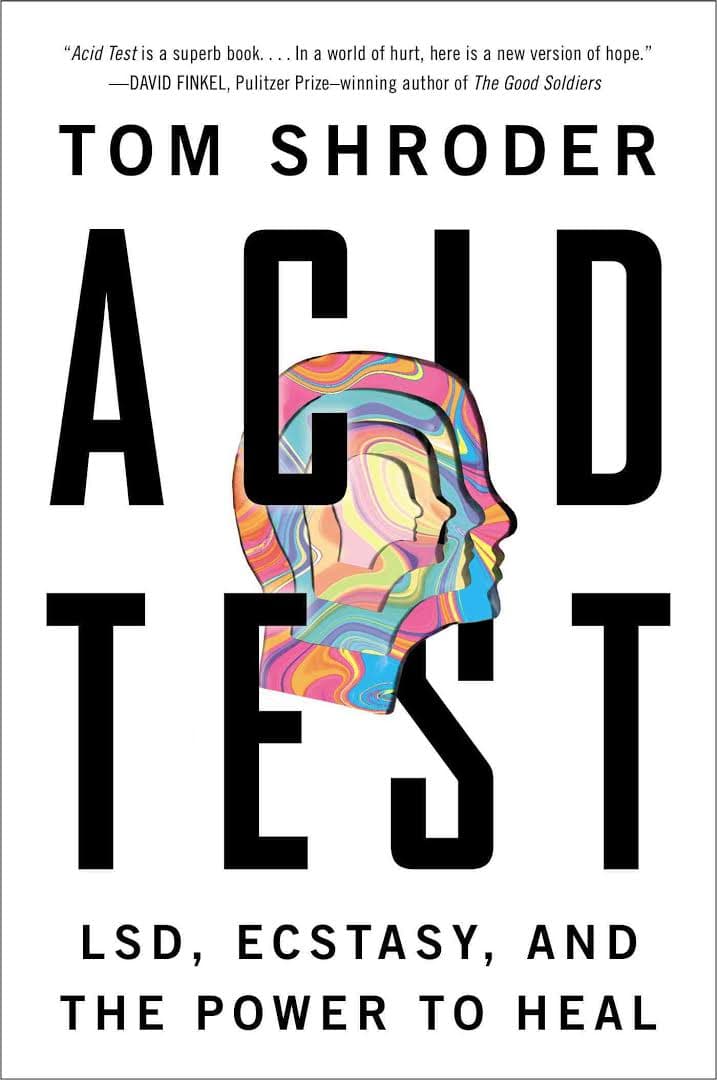
The full conversation continues here.
Episode field notes
Show notes
Tom Shroder has been an award-winning journalist, writer and editor for more than 30 years.
His book editing projects include two New York Times bestsellers; Overwhelmed: Work, Love, and Play When No One Has the Time (2014), by Brigid Sculte; and Top Secret America (2012), by Dana Priest and William Arkin. As editor of The Washington Post Magazine, he conceived and edited the story, Fatal Distraction, which was awarded the 2010 Pulitzer Prize for feature writing. He also edited and contributed to Pearls Before Breakfast, which was awarded the 2008 Pulitzer Prize for feature writing. In addition to being an author and editor of narrative journalism, Shroder is one of the foremost editors of humor in the country. He has edited humor columns by Dave Barry, Gene Weingarten and Tony Kornheiser, as well as conceived and launched the internationally syndicated comic strip, Cul de Sac, by Richard Thompson. His latest book, to be published in September, is Acid Test: LSD, Ecstasy, and the Power to Heal, a fascinating, transformative look at the therapeutic powers of psychedelic drugs, particularly in the treatment of PTSD, and the past fifty years of scientific, political, and legal controversy they have ignited.
“
I know how you feel.
I’m sure there are writers who don’t find writing to be a bone-crushing, nausea-inducing festival of self-loathing. I just don’t happen to be one of them. Faced with a blank screen, I am invariably seized with the overwhelming desire to clean out my garage, give myself a root canal — do anything other than write.
The problem seems to be standards. I have some. And I’m terrified I can’t live up to them. Does that sound familiar? I’ve found that to avoid paralysis, I have to begin by telling myself, “Don’t write, just type.”
Because once the story is out there, even in a horrifyingly inarticulate form, the real work can begin. I can see where the words are working, and where they’re not. The ideas that should be in the piece, but aren’t, speak loudly with their silence. The awkward phrases swell up and stink. The good ones hum.
This is the fun part, especially when someone else has done the miserably hard work of writing the first draft. It’s why I’m a good editor, and why I love editing.
And that’s why I can help you, as I’ve helped innumerable writers over 25 years as an author and editor of Pulitzer Prize winning journalism and best-selling books. I’ve worked with some of the biggest names in journalism and fiction, but I’ve also worked with hundreds of regular folks who have never published a word, but had a compelling story to tell. In the end, the most powerful thing I’ve learned is this: it is always about the story.
“Your story.”
Find his work at: www.tomshroder.com
Ideas worth returning to
Quotes
Five substantial excerpts from the published transcript, lightly edited for clarity without changing their meaning.
“Aldous Huxley proposed that ordinary consciousness functions as a reducing valve, filtering an overwhelming reality into what an organism can use. Mescaline, in his account, did not manufacture a false world but loosened the filter. That remains a philosophical interpretation of altered perception, not a settled account of how the brain works.”
From the conversation“It took Rick Doblin about fifteen years to help launch the first FDA-approved clinical study of MDMA-assisted psychotherapy. Psychiatrist Michael Mithoefer joined that story after becoming interested in altered states and healing. The long path from personal interest to regulated research required persistence, protocol, funding, and institutional review.”
From the conversation“Psychoactive plants and ecstatic practices have been used in healing and spiritual development across many cultures. Historical use does not prove that every practice is safe or effective, but it shows that the modern category of an illicit drug captures only one part of a much older human relationship with altered consciousness.”
From the conversation“In one study of psychologically healthy volunteers without prior psychedelic experience, many later ranked the session among the most significant experiences of their lives. Subjective significance is not the same as clinical benefit, but the result suggests these states can carry enduring personal meaning even outside treatment for a diagnosed problem.”
From the conversation“Critics often describe psychedelics as escape into an imaginary world. Early researchers treating alcoholism argued the opposite: the experience could intensify confrontation with reality. LSD is not generally considered physically addictive, but low toxicity does not mean risk-free; psychological distress, unsafe settings, and vulnerability still matter.”
From the conversation
About the guest
Tom Shroder
His book editing projects include two New York Times bestsellers; Overwhelmed: Work, Love, and Play When No One Has the Time (2014), by Brigid Sculte; and Top Secret America (2012), by Dana Priest and William Arkin. As editor of The Washington Post Magazine, he conceived and edited the story, Fatal Distraction, which was awarded the 2010 Pulitzer Prize for feature writing. He also edited and contributed to Pearls Before Breakfast, which was awarded the 2008 Pulitzer Prize for feature writing. In addition to being an author and editor of narrative journalism, Shroder is one of the foremost editors of humor in the country. He has edited humor columns by Dave Barry, Gene Weingarten and Tony Kornheiser, as well as conceived and launched the internationally syndicated comic strip, Cul de Sac, by Richard Thompson. His latest book, to be published in September, is Acid Test: LSD, Ecstasy, and the Power to Heal, a fascinating, transformative look at the therapeutic powers of psychedelic drugs, particularly in the treatment of PTSD, and the past fifty years of scientific, political, and legal controversy they have ignited.
Beyond the conversation
Selected work
Official sites, books, research, and institutional pages verified for this guest.
The complete conversation
Transcript
Archival transcript · Published on the canonical episode page
This archival source does not include reliable passage timestamps or consistent speaker attribution. The wording and any labels below are preserved from the original transcript page; no speakers or timing have been inferred.
explain for the people who don’t know what else T is the discovery that that Albert Hofmann made and know the bicycle day and that would be interesting to hear your perspective well I mean Albert Hofmann is a fascinating character and there’s something that is has never been pointed out as far as I know but when he was a boy he was walking through the woods in Switzerland near his home and he had this moment of spontaneous transcendence where suddenly he had this
experience of a sort of a greater reality the sense of unity with everything in the universe and this was so meaningful to him and yet so hard to express that he really felt that he wished that he could be a poet or or paint or something to convey what this experience was and then he realized very painfully that he wasn’t a poet and then he wasn’t a painter and he wasn’t an artist of any kind so he kind of did a hundred eighty degrees and became a
scientist and the real irony of the thing is it took him from sort of not being able to express this as an artist through position where as a scientist he actually found a substance that actually delivered those experiences it didn’t just describe them but delivered them and that’s one of think that’s one of the 20th century’s great ironies and what happened was that he was you know the he was looking for a substance that had some kind of medical use and he was
hoping based on previous compounds that were similar that maybe this would help stimulate respiration or blood circulation right and so he was going he was taking the basic ingredient that they knew was active medically which was lysergic acid and adding different elements to it and in his 25th attempt yeah dad I asked mom I’d which was a it was a derivative of ammonia and you know nothing really happened the the people in the lab said well it has some
activity but it’s not as good as stuff we already have so basically it’s a washout and for some reason this one compound stuck in his head and he called it an odd presentiment that there was something more to this to the point where five years later in 1943 he went to his lab and decided to resynthesize this and he called it and it was in lab notes it was called lsd-25 and so he did and as he was doing it he began to feel funny and he he to the
point where he needed to go home and lie down and he had these like sort of visions and these weird colors and stuff and and he so he went in the next day and he said that was really strange but he didn’t think it could be the LSD because he had been exposed to such a tiny amount of it he didn’t it was like hundreds of times less than any psychoactive chemical no right so he didn’t think it could be it so he he’d like thought maybe it was the
formaldehyde that they’d been using in the lab and he likes intentionally sniffed that but nothing similar happening so then he sort of came to the conclusion that it happened to the LSD and he intentionally took what he thought was a very tiny amount of it and that’s where you said he had this thing where he had to leave because he felt that he was maybe going insane and only his lab assistant knew he was doing this and this was in the middle of world war
two they didn’t have access to a car so in order to get home they both had to ride bicycles and he said he felt like he was he felt like that he was like frozen in time and that the more he pedaled he did wasn’t getting anywhere but that his lab assistant later said that no they made very a good time and they got to his place and he didn’t know what was going on he didn’t know if he had poisoned himself he thought maybe he was going to die or
go crazy and and they call the doctor and all his vital signs were normal and there was nothing wrong with him physically physiologically maybe he had a slightly accelerated heart rate or something but he had this amazing experience and then the following morning he felt like the whole world was new and he went in and he realized that he had come upon a really remarkable discovery so anyway they began sending this out to researchers around the world
and at first they thought in the initial sort of letter that they sent out what it said you know maybe this creates a short-duration psychosis and that maybe it would be useful for psychiatrists to experience this so they knew what their psychotic patients were going through well what happened was people started self experimenting with it and they had experiences that were more like Albert Hoffman’s experience of childhood that
were revelatory and that they didn’t at all feel crazy in fact they felt like they were tuned into something sort of a higher consciousness and a higher intelligence and had remarkable experiences that were very meaningful to them and that remained meaningful after the effects of the drug wore off and so a researcher he was actually a med student at the time he first took LSD but he became a researcher a man named Stan Grof began to see its potential for
use in therapy and in fact before he was done he had done thousands of sessions with with patients therapy sessions and what he began to believe was that the that the LSD basically gave the patient access to what was happening in his subconscious and the issues that were most important at that time and so that it kind of naturally brought up the things that a person needed to deal with to resolve whatever kind of psychological or emotional problems they
were having Wow at every session they came up with exactly the right material that they needed to work on and they also had because of their heightened perspective they were able to have insights into these issues that helped him the unravel them and he and this was replicated in you know thousands of patients around the world and from the early 1950s through the 1960s this was seen as a revolution in psychiatry and and it was being used
with great success for a wide range of things you know from autism to alcoholism to drug addiction to depression to anxiety to traumatic stress disorder and it was being used in a in a remarkable variety of things with terrific success and under clinical conditions with a remarkable amount of safety considered considering the potency of this droid and and it got to the point where it suddenly got out into the into the public and wild into the
wild and was being used on the street and and it freaked people out it got associated with the political movement the anti-war movement the end anti-authority in general and it really threatened the people who made the laws to the point where they just stomped on it they made it as illegal as heroin and they stopped all research and of course all these laws did very little if anything to stop the illegal and uncontrolled use of it but it was extremely effective in
wiping out all research and as one researcher said it was almost as if psychedelic drugs were undiscovered and in fact by you know as the years went by the general public almost completely forgot that this drug started out as being a tool for SIA a very successful tool for psychiatry most people don’t even know that and and the story in acid test really I tell is of the small group of people who couldn’t live with the idea that we were writing
off this incredibly promising kind of therapeutic aid forever and against huge odds an incredible bias they basically labored for 30 years to get to the point where we are now where it’s once again being tested under fda-approved an fda-approved clinical trials and again no surprise to the people who had followed this all along it’s having really remarkable success in dealing with very difficult issues that are not successfully treated by any other
therapy what’s fascinating is that how a lot of the antidepressant medication was supposedly founded from the LSD research with the early serotonin receptors in neurotransmitter mm-hmm yeah well but in fact the whole science of the brain really started with LSD because around the same time just after Hoffman came across LSD which you know had this huge transformation on perception and awareness they discovered that this compound serotonin which had been known
to constrict being blood to constrict blood vessels but they were surprised to find that there was a very large amounts of it in the brain they had no idea what it did there and then they suddenly noticed that the chemical structure of serotonin was extremely similar to LSD and then the light went off in their head and they thought oh my gosh you know this is something that has an effect on but thinking this is serotonin is is a
compound that is involved in the way we think and feel and so that was really the beginning of brain science and that was also inaugurated this year or where they began to use other side psychotropic medicines in psychiatry and but as it emerged you know these antidepressants and in anti-anxiety drugs they all affect the the neurotransmitter systems in the brain just as psychedelics do but the thing about the way they use is that those
drugs treat on an unconscious level if you take an antidepressant you’re not aware of any I mean you might feel things but it’s not like you’re thinking about your problems conscious right and with psychedelics the healing comes because you everything’s being brought into your awareness and what healed and it’s not like you know like in penicillin if you have an infection you take penicillin and completely blow your level of awareness the penicillin kills
the infection and then your wound heals but when you have a problem and you’re doing psychedelic therapy what happens is those problems are brought into your awareness and you are actually aware of the insights that are the key to sort of unraveling these psychic tangles that have caused your problems in the first place so you were very aware of the healing and in fact your awareness is what’s doing the healing it’s not the drug this drug is enabling this
heightened awareness and this heightened access to what’s going on and you’re normally subconscious part of your thank you what do you think that heightened access is do you think that’s some access to some kind of hyper dimensional realm or some other kind of universal consciousness that’s being tapped in you that I think I think well the simplest explanation is the one that all of us actually sort of came up with way back in 1958 when he he
took masculine and he thought that he saw not a altered reality or not a kind of you know hallucinatory reality what he thought was he was seeing reality in its entirety for the first time ever and what he decided was that the normal function of normal consciousness is to tune out much of reality to kind of it’s a filter because you know the idea that being that reality is too big too awesome to sort of go about our daily business survival without this
distraction of this unbelievable sort of you know literally mind-blowing reality that’s out there that is the true reality and that so we’ve learned to use our brain to kind of tamp down you know it’s like in a camera where you’re letting in less light so you can focus on something well that’s what he thought the brain did was that it kind of tamped everything down and and tried to screen out stuff and keep things in sort of manageable categories so you could go
about your daily business of doing the hunting and the gathering et cetera and that what psychedelics is was it shut down that that filter and it allowed the you know full sort of magnificent overwhelming awesomeness of reality in which if you were doing it in a situation where you were safe and protected and you were under secure circumstances that could be incredibly valuable because you know there was a lot to learn from reality that we
normally screen so I think that actually there’s new fMRI research that’s going on that is kind of showing the same thing what it’s showing is is that you know originally they thought it made sense to think because of the such a because the psychedelic experience is so essentially big you know it’s so sort of loud and colorful and it bigger than life they thought that it must that the psychedelic drugs must increase brain activity but when they did an fMRI what
they found was no it reduces brain activity so how can that be then what they realized was that the parts of the brain it reduced were the parts of the brain that that screamed that sort of ordered things that that sort of created that constructive of ego and it diminished that which meant that the parts of the brain that received the raw input from from the outside world were left unfettered and and so again I mean the the fMRI stuff went right in with
that idea that that psychedelics what it does is it shuts down the reducing valve on your brain and allows in a much sort of fuller and richer reality that’s found that’s fascinating so so do you think do you think that do you think that through this sort of I mean Rick Rick Doblin I guess founded the hippie in the woods as you call him right yeah he he founded the Maps Institute and all of the work that they were they were doing there I mean it it really took a
long time and well I mean doblin is just one of these you know great American originals it totally self invented you know he was he was he was basically a college dropout who actually at one point went to his father like halfway through his freshman year in college and said you know look I’m having these LSD experience is that I’m finding very difficult but I feel like they’re important and so what I want to do is I want to drop out of
college and go out to California and study LSD and I want you to support me while I do this and what I say you know what I say and in in acid test is you know it’s like maybe one father in a hundred thousand would say would not say you want me to do what and fortunately Rick had that one father in a hundred thousand and he and and so he went out and actually studied with Stan Grof because what he realized was what happened was he is having these
difficult experience with LSD where he felt like he was seeing the flaws of his personality but that he kept shutting down before he could do anything about it right yeah I remember that yeah yeah he kind of hit a wall is he like Oh fear huh and he couldn’t get past it and then he read and he thought am I going crazy is this nuts and then he read Stan Grof book that described the process that Groff had observed about how people how with therapy with
somebody they’re helping somebody that you could get past that actually that difficulty that he was reading was actually an opportunity and what it did was it was bringing up his his biggest problems and allowing him to have conscious access to it and to possibly unravel it but he wasn’t able to do that by himself and so but suddenly reading Groff’s book he thought I’m not crazy this actually is valuable and it could be valuable and I want to learn how to
do psychedelic therapy and and but first I want to do it on myself and get better get around that blog so he went out to California and he and just this is just exactly at the time that they were making LSD as illegal as heroin and all psychedelics by you know in nature and they were trying to make all psychedelics illegal also and he was thinking oh you know just as I’m discovering this it they’re shutting it down so what Groff was doing was you know
crop took the attitude was you know what it’s not the drug that’s doing the healing it’s the altered state of consciousness that’s that’s allowing the sealing to happen and he said throughout this centuries humans have found non-drug ways to alter consciousness and so that’s what I need to do is I need to find a way that’s legal to achieve the same kind of state of altered consciousness and he came up with this combination of sort of hyperventilation
and and loud pounding music that got people into very successfully in a lot of cases it’s called breath work and and so he was using that and so Rick went out and he learned that he you know he learned the principles of how to help people through situations where they’re in altered states and having difficult material coming up and but at the same time he was going out to the beach without graphs knowledge and in doing LSD etc and so then what happened was at
one of these retreats somebody said you might want to try this it’s MDMA and and at first he didn’t think much of it but then he took it and he realized that it was a state again where you know he was sort of put out of himself into an altered state but there wasn’t that you know there were there wasn’t that fear it almost naturally took that fear away so he thought this is going to be even more important in therapy than LSD potentially or at least it’s going to
serve a an important and somewhat different purpose especially in in cases like PTSD where the big blockage to healing is that the traumatic memory that causing all the problems is repressed it’s – it’s repressed because the brain regards it as too threatening too frightening to go near there yeah but because MDMA lowers that fear it allows people to approach that memory in which they have to do to get over it and without the the sort of panic reaction
that causes all their symptoms and the other advantage was this was in in the early 80s and MDMA was kind of a new drug to the regulatory people so it wasn’t yet illegal yeah so he and he they all knew it was gonna be but you know he felt like now we have a number of years so of course Rick he got in touch with a high up at the UN who had written a book about how you know there was some kind of there needed to be some kind of world spirituality in order to
get around all this war that would keep having and Rick thought well you know I agree with your book but you didn’t mention psychedelic drugs and I think that’s an important thing and so unbelievably the guy writes back and says you know you make a good point and I think there are others who would like to hear from you and he listed some spiritual leaders in different faiths we can judge and so Rick and Rick took that as saying he wants me to send them MDMA
and he did so he sent MDMA dog like you know these these world-renowned religious figures and some of them actually did it and and they said this is really valuable and so they were making statements like that right about the time that the government was going to make this illegal and in so Rick sort of just by the sheer force of his intent yeah insinuated himself in this in in this sort of culture of people who had been important in the psychedelic
movement of the 50s and 60s and they were kind of connected at Esalen in California and Rick just kind of insinuated himself that and he kind of said we’ve got to fight this you know we can’t just let them make this illegal because it says in the law that if if the drug has a recognized medical value it cannot be placed on Schedule one and he says we’ve been you know there have been therapists who’ve been using this successfully for years everybody knows
that this has an accepted medical purpose and so we’ve got to fight this and he ended up leading this charge to when the DEA said that they were going to put MDMA on Schedule one and he and he sort of got all these all these psychiatrists and therapists to write these letters the DEA protesting so they had a year-long hearing in which the DEA brought all their evidence against against MDMA and Rick and his colleagues sort of got the evidence for it and on
every point the judge ruled for Rick and his colleague said MDMA definitely has accepted medical use it’s not highly addictive and it’s and it’s not dangerous when given under medical supervision and just down the line it was a slam dunk unfortunately it was an administrative hearing not a court hearing and so the DEA said sorry we reject the judge and in fact the DEA even called the judge biased which they later apologized for it but anyway they
you know thinking they just said it’s our football so we’re taking it and going huh Varian show so MDMA became illegal and at that point some of the people that Rick had been working with said well we either have to just drop it or go underground but we used to do that and he and he founded Matt the multidisciplinary Association for psychedelic studies and he made it his mission and people thought he was crazy I mean some people still think he’s
crazy but but he actually made this work and it took him 15 years to really get the first fda-approved clinical study of MDMA off the ground and that’s where the third person in my book Michael Minho fir comes in he was a psychiatrist who had had really become interested in the power of altered states and in psychological healing to the point where he went down to Peru and spent the week or 10 days doing ayahuasca with a shame
and he came back and he wanted he he felt he was going to have to go out of the country somewhere to do this research and meanwhile Rick couldn’t find a psychiatrist who would who would even put his name to this research because they it was too punishing I mean people would destroy their careers by even suggesting that psychedelics might not be this evil poison so when Michael MIT Hoffer came up to Rick at a conference and said I’d
like to do this research on on using psychedelics for therapy what country do you think I can do it in Rick was saying are you a psychiatrist and he said yes and Rick said you can do it here and you’re gonna and I’m gonna help you so that sort of became their team and the third person in acid test that I follow is a Marine who Nicolas right Nicolas Blackston and he you know he he joined the Marines in time to go to Iraq he had these horrific combat experiences
where he both had to watch his friends get sort of gut shot and bleed out in front of him as well as you know shoot at kids like 12 14 year old kids who somebody had given in a cake 47 and told to shoot at the Americans and he had to like sit there on his 50 caliber machine gun blowing away these children Wow which he felt horribly guilty for of course and he felt guilty for not being able to save his friends so it was a real mess and he was injured
himself and he came back with really terrible PTSD and to the point where he really thought he wasn’t going to survive that he couldn’t stand it he’s gonna have to kill himself and that’s when he read about these first studies that they were doing to treat it with MDMA and he and basically the the climax of the book is when he gets the therapy himself right did you have extensive time with Rick Doblin as a result of the research on this or what was that like
well it’s very funny my my history with Rick Doblin is is very synchronistic I was a it goes all the way back to 1975 when I was a student journalist at the University of Florida I was the editor of the college newspaper there and I grew up in Sarasota so I was home for spring break and there was like a little blurb in the local paper about this hippie out in the woods building this magnificent house I mean it was like these huge cedar beams and stained-glass
windows and and Riverrock floor I mean it was really spectacular and so and I recognized when in his philosophy you know I had some experience with psychedelics in college you know it was in Gainesville Florida and they had these cow pastures out there and in the cows pastures brew the psilocybin mushrooms so we’d go out into the pastures sneak under the fences and grab the mushrooms right out of the cow dung and you know we’d either boil or Marie
died me not you know and I didn’t do this frivolously I was seeking you know I knew from the very first experience I knew that this was something in and something big and I had certain experiences that I that you know when the drugs were off they were every bit as valuable as I thought they were one that when I was happening and just as an example there was one time where I I did the mushrooms and I started obsessing about anxieties and concerns that I had
and then that kept building this is like I was worried about something that was happening that day then I started worrying about the future and I and it was like this enormous weight and I could feel it it was like it was a real boulder or something on my chest and I had this vision suddenly you know it just got worse and worse the point where I could barely breathe and then I suddenly had this breakthrough vision where I saw that it was a boulder yeah
but the reason it was on my chest was I was holding it to myself with my own arms that I was actually choosing to hold that Boulder there and all I had to do is let my arms go and the boulder would drop away and I did and all the anxieties and worries disappear and so the rest of my life since then really I’ve known that that was a possibility and I’ve understood that to a certain extent all negative feelings and emotions that you have or choice you’re
choosing the feeling to to an extent and then if you can somehow develop the muscle you’re able to let them go incredibly valuable thing that I never would have gotten to be if I hadn’t had this vision because you know on the psilocybin experiences it’s not just an intellectual thought you’re not just thinking oh well maybe I’m choosing to and something you’re actually feeling and seeing it in in a very concrete way you know so that I actually could let
the boulder go and feel it fall away so I I knew that it was valuable and I knew that from the things Rick was saying that what he was really saying was he was trying to take the things he learned in the in the in the psychedelic experience and put them into literally into concur by building this house so anyway I went I went down there and I did a story on him for the sunday supplement of the college newspaper and that was in 1975
and then I went about my business and when I got out of college you know I got a career I got a family there weren’t cow pastures around so I you know for all those and they were still illegal so I stopped doing the psychedelics I didn’t do them anymore but I still remembered their value and then I was 10 years later I was the editor of the Miami Herald Sunday magazine and I saw a little blurb in the Tampa paper that there is a sort of wild
wild man hippie who was proclaiming that this new drugs new psychedelic and the MA was the magic silver bullet in psychiatry and in psychotherapy and I was reading it and I thought Rick Doblin that’s the hippie in the woods that’s the same guy so I assigned a reporter and we went to go and do a cover story on this and I think we called it I think the headline was a Timothy Leary for the 80s so then another 15 years go by and and I am now at or 18 years I guess and
I’m now editor of The Washington Post magazine and I see a little blurb in the New York Times about how Harvard is doing the first clinical study of psychedelics since they wrote Tim Leary out of town on a rail and as I’m reading further it turns out that it’s being sponsored by this organization called maps and that the founder and director of the organization is a guy named Rick Dobrow and I’d say wait a second like this is the same guy so I said this time
I’m gonna do a story on it and I called him on the phone and he not only remembered who I was he said I have the story you read for college paper and the story he wrote from the Miami Herald Sunday magazine on my desk right now because just this morning I was showing them to my board of directors and what he was trying to do was make the point that he had come a long way in his image from this wild man Tim Leary character to somebody who was able to
successfully deal with you know the most important and conservative institutions in the country like you know Harvard claimed psychiatric hospital right which was great except that it wasn’t entirely true because the mcclain hospital changed leadership and the new president said we don’t want anything to do with Rick Doblin that guys are crazy hippie freedom and so they said we’re not gonna accept money for maps basically I mean it’s a
long story but basically that study never really got off the ground but at the same time he had done this work with Michael meadow for him and middle of hurt was had just started a study in South Carolina where they were using MDMA to treat mostly women victims of rape and sexual abuse so I went down there and I was so impressed with what I saw that I knew that I wanted to write a book about this but I also knew that you know publishers might you know might
look at this a little warily and and so I knew that at the time the Iraq war it’s already started and already we were beginning to see an unbelievably high percent as many as 20% of people who served in Iraq we’re coming home with PTSD and it was clear this is going to be an immense problem and so and I knew that Michael and Rick were planning to do their next study was going to be veterans with combat related PTSD and I said that’s the thing that will get
people to take this seriously because everybody’s aware and feels I think guilty that we’re sending these people these young people to serve us and they’re coming home this badly injured and wounded yeah and so I had to wait for that happen and then I also had to wait a certain amount of time after the therapy before I could even talk to these people and then I had to find somebody who was willing to reveal all their most intimate you know dark and scary secrets
that they were like talking about under the influence of psychedelic drug and to do it completely fully with her name and everything and fortunately that’s that’s when I found Nick Blackston who was so moved by how this had helped him and so guilty that he was leaving his comrades sort of behind where they couldn’t have access to this that he decided he was willing to put himself out there he thought maybe it would help advance the
therapy hmm very very interesting stuff every night definitely I I feel like you you spent some time covering ayahuasca and DMT and and so I feel like I feel like across the spectrum of psychedelics there is this sort of breakthrough that happens and we’re able to somehow connect with I mean how would you term it how would you term that that moment I I know that it you said that it allows you to kind of see reality for for what it is but I
mean all these drugs that are illegal are now helping all these people now why are they I mean why you know it’s not me still leave in helping people for thousands of years this is the truth I mean this has been used in healing and in spiritual development in almost every other culture around the world you know and even in Western culture and you know and the in ancient you know in the ancient times they had these ecstatic visions and
people think that yes they were some kind of psychedelic drug that they were using so it’s it’s new to us as in our materialistic sort of science-based Western culture but it’s not new world and I think that all these drugs you know have in common is that it’s it’s about the experience it’s not about the drug really it’s about the experience that the drug helps bring about hmm dr. G when I add something to that I definitely I mean from my
personal experiences in that realm that seems to be the case when you anticipate MDMA actually being a prescription drug well that I mean that’s a thing that’s really important to focus on I think that given the fact that there are all these phase 2 trials going on and they’re all having you know you can’t you’re never supposed to predict the success of ongoing studies but remember this they had almost twenty years of successful use of these drugs in the 50s
and 60s so it’s not really I’m not really it’s not really all that suspenseful to me you know as one of the researcher said we know this works you know we’re not trying to discover whether it works we know this works we’re just trying to prove it in a way that the mainstream will accept and and that’s going to happen but the problem is that the Phase three trials which are required before it becomes a prescription drug it involves hundreds
of subjects it has to be done in like a dozen different locations it costs tens of millions of dollars and meanwhile maps is this little like nonprofit and they’re they’re raising money in like fives and tens and twenties on IndieGoGo campaigns and stuff so it’s gonna really stretch this out and Rick is like you know forecasting in in like under ten years but I don’t every forecast he’s made has been incredibly overly optimistic and at the rate they’re going
I wouldn’t be surprised if we take 15 years before this is a prescription drug that is too long to wait that’s way too yeah and and the really tragic thing is that they’re about there is is half a million that’s coming home who are going to have lifelong PTSD without appropriate treatment without treatment that’s going to really help them get to the root of it and this is going to cost us in disability and medical treatment what you know that we owe these vets the
estimate is this going to cost us like a trillion dollars over the next thirty years that’s isn’t like Canada Canada has more suicides than deaths for their army now and and they’re now and plus 22 that’s a day or successfully committing suicide twice that many are attempting it and a significant portion of that is related to unresolved PTSD so you would think that the Pentagon which has you know a a multi billion dollar budget you know
they you know I don’t know what I always say is they have enough change in their couch cushions to fund this research and move it along quickly but so far they have not contributed a single dime and why is that it’s because of this lingering stigma that LSD is somehow like a demon drug or that psychedelics are weird or you know about you know it’s about some kind of you don’t think that they’re making money through these pharmaceutical companies no no no the
you mean well nobody’s gonna make money on psychedelics because it’s you can’t patent yeah and because unlike other drugs that are given in psychiatry you don’t have to keep giving it over somebody’s life time you get you do a therapy over a handful of times and the problems are resolved you know maybe you need to come back once every three years you that’s maybe that’s why it’s still legal it’s cuz it’s actually what I that’s why they’re
not getting investors because there’s no money to be made in this really yeah so you know they’re not really getting investors to do it so that really means that you know the end plus the FDA could declare this an urgent need and fast-tracked all these incredibly time-consuming trials that they’re doing but they’re not doing that in the end the government is not contributing a dime to this and you know what I was I went on an NPR show the Diane Rehm Show
and I was trying to find somebody from the Pentagon to go on to discuss this with me and I had a contact in there and in the military and he communicated with someone who would have been appropriate and he showed me the email that he got back and the guy says oh no this is much too dangerous for folks in uniform to talk about this and that just drove me crazy because you know it’s dangerous to talk about it you know leaving half-a-million vets with severe PTSD
untreated is not dangerous but it’s dangerous to discuss even the possibility that this might be an effective therapy you know it really is is insane but it’s it’s almost sick is sickening like doesn’t there seem to be some kind of almost global consciousness shift where enough people are actually I mean because of podcast because of access information because the internet are starting to recognize that you know these are valid forms of not even just
psychotherapy these are these are almost in an even ayahuasca you know these are inalienable rights like be able to control your consciousness is it is a distinct human right and what’s it going to take me and we go through these shifts like the 60s had it and now there seems to be this other uprising right now you know is this going to be the next wave when people kind of tell the government to go screw themselves like how long is it gonna keep going on until
well I mean I mean certainly there are a lot of people who do it illegally but I don’t want to do it illegally I would want to do it legally but that you know that you know that’s another question because this is I mean to be honest this is not just something that is important for people with you know known psychiatric conditions Johns Hopkins did a study where they gave psilocybin to normal completely healthy individual you’ve never done psychedelics before
and 70% of them at the end said described it as one of the five most significant experiences of their lives these are just normal people without any any presenting problems so that suggests that it has value I mean if it’s some one of the five most significant experience in their lives and and then like thirty percent said it was the single most significant experience of their life and this is taking a high dose of psilocybin in a you know
basically in a land of office lounge so obviously this has some value for in in terms of personality development and life satisfaction that could be of will help to almost anybody but that’s a whole different thing because you know the the course that they’re on now is by within the medical establishment proving that is an effective therapy for a given condition that’s the tractor on they’re gonna get there it shouldn’t take fifteen years but it might because the
you know nobody’s kicking in with the big government money to hurry this along because of the urgent need but the use of it you know there are people concerned about saying well look there’s this guy named Bob Jesse who who founded something called the Council on spiritual practices and he said look I don’t want I want to know what will it take so that these drugs can be judiciously used for people to have religious experiences to have primary
religious experiences and you know there’s not really an answer to that question yet I mean you know you see what’s happening with marijuana we’re at first it became approved for medical uses and now a lot of states are legalizing it I think that psychedelics even have a bigger stigma than marijuana as had you know the experience is so powerful I think that people find that frightening it’s almost like you know the the first time
Hoffman took it when he didn’t know what it was going to do he was afraid it was driving them is going to make them go crazy and I think that people who don’t understand it see the you know the size of the experience and think oh it’s about making people go insane reefer madness yeah so yeah that’s a different question about can it ever be sort of integrated into our site I mean there are approved religions who legally can use ayahuasca or in the case of the
Native American church peyote and mescaline as part of their religious observance right so I mean you know maybe they’ll be churches that pop up which have that right and you join the church you know that’s what Leary was trying to do they had a they had a they tried this like in Institute this idea of a church that use psychedelics as sacrament do you think there’s almost like an agenda behind it that they don’t want people having access
whoever they is perhaps the government doesn’t want people like having access to these higher realms of consciousness because of some form of understanding or whatever access they get in these realms no no I think they just don’t understand them and they just lump them in with you know all all sorts of other things that have caused problems in society like heroin or alcohol and and think you know they think that they’re similarly that
they’re like you know a lot of people think and even on some comments you know when excerpts of the book of run in various places and some people say you know how crazy is to think that you know these people who have these problems can solve them by escaping reality see that’s what they think is that this is that these drugs create an imaginary world you know a world a false image of the world and that it’s an escape from reality and
you know one of the original researchers who was using it to treat alcoholism was saying no it’s a it’s an emergency earning of reality an enhancement in the of it a closer encounter with it so the research says that LSD is non-toxic not addictive right well yeah yes I mean it’s it’s well some in again and like 1960 psychiatrists did a survey of all the research that have been done that thousands of doses that had been administered and said that for such a
powerful psychoactive drug it was it was remarkably safe you know it does have some dangers there there’s there’s a syndrome that sometimes happens rarely happens where you you have this altered visual perception that lingers after the drug that persists certainly uncontrolled use can be dangerous because people have these anxiety reactions to it if they don’t have somebody in a you know to prepare them for the experience that’s why set and
setting has always been seen as so important somebody who goes into it with understanding what the experience is going to be like their intent is to you know is to sort of use this for personal exploration they have somebody there who is protecting them from the outside world as they’re doing this and also to kind of reassure them if they get into one of these anxiety reactions but people have needed hospitalization as a result of this when those conditions
haven’t been met so you know there are this is not something to be done lightly or casually or in any kind of situations that aren’t highly control yeah we had a one of our rotation one of our psychiatry rotational PPD the Hallucigenia yes order I think there was I don’t want to give away you know any information about this patient but he he did asked it I think like over a hundred times and we were interviewing him and he just kept having
these like hallucinations and I remember we were asking he’s like what do you see he’s like this just demons like all over and I’m like what do you mean he’s like he’s there all over you well that’s not that’s not the visual distortions that sounds like psychosis to me and that’s the other thing is that people who aren’t properly screened people who have a history of mental illness could have their mental illness sort of exasperated
by the psychedelic experience so you know that’s another danger of it it’s people people who have this pre-existing issues with mental health and psychosis etc that’s certainly not advisable for them to be doing it psychedelic drugs and it sounds like this guy certainly had a say active psychosis on going there he was I mean he played along well I mean he was a great guys just feel bad for him there’s just demons and angels apparently yeah well it’s not fun being
psychotic that’s for sure well I just I just think that you know people need to get involved and to sort of say look this is this is incredibly important and promising research and you know we not only don’t want to get in the way of it but you know our the the institutions that are responsible for all these men and women who coming back from wars they were fighting on our behalf severely wounded and with this persistent PTSD and they need to get it
together and get this research completed as quickly as possible to get these really promising treatments out there and available to whoever needs them there are millions of people out there not just vets but millions of people with all kinds of of psychiatric difficulties that could be helped by this therapy right Tom I got a quick question do you have any advice for any aspiring writers out there yeah I was reading some stuff on
your website it resonates I was reading Stephen King’s on writing what uh just what are some things that you would you’d recommend to some people that are interested in writing well I I mean the the thing that I discovered was I wanted to be a writer I was interested in writing fiction when I was in college and so I thought about it a lot and then I suddenly realized you know there’s one thing missing here I’m not actually writing anything unless I have a
deadline I mean I’d write a story if I had a class I wait until the deadline and then I’d suddenly get it done but when I didn’t have a class I didn’t write a story so I decided well I need to put myself in a situation where I have lots of deadlines so that’s when I joined the college paper so I mean the first thing you gotta do is you gotta write if you want to be a writer you have to write Parkinson’s Law and and then you know I
think that you really have to think about what is it that I have to say that’s original and that’s meaningful and so I you know it’s not really about the writing it’s about what it is that you’re communicating so instead of you know just this idea that you’re just pushing out all these words it’s really what you’re really trying to do is you’re trying to understand something well enough so that you have something valuable to say about it then it becomes
an issue of trying to say that as economically and as powerfully as possible but the first thing is to have something really important to say so I think that you know I think that anybody who wants to be a writer needs to think about what it is that I I have would be interesting to other people and important for them to to learn about that I know huh yeah that’s a that’s a good point so so Tom I know you’re pressed for time where can people find your work what are
you up to right now well I am you know right now I’m still doing a lot of things like this talking about acid tests which you know I’m certainly willing to do whatever it takes to promote that because I think it’s important you know that people get this perspective where they understand were these people who are doing this research and where these drugs are coming from to understand the whole history the whole thinking behind it the personalities
behind it these aren’t crazies these are very smart dedicated accomplished people who have led exemplary lives so I want you know I I definitely want people to understand that and to also to understand that this isn’t some weird process by which the drug works that you can actually it’s very transparent in that you can see the people sort of having these insights very consciously that solve their problems so you know so that’s important to me I am working on
another book and as you as you pointed out from my website I’m in that festival of self-loathing right now oh yeah it seems like doing all day today but I’m you know I’m forging forward it’s it’s about you know I’m 60 now and I think that a lot of people reach an age where you know maybe they’ve been ignoring their family roots most of their lives but then you suddenly reach an age where you suddenly start wondering about them
and very often it’s when everybody who could possibly have told you about them firsthand is dead but in my case my grandfather was a writer and so that gives me a particular connection with them I never credited him with making me wanna become a writer but now that I think about it it seems like maybe there was something to that but unlike most people who suddenly get curious about dead relatives with nobody to ask about them nobody on the face of the
planet who can really this information is just lost forever but I have this unique situation where because my grandfather’s letters and papers and all his manuscripts and articles about him from you know the 20s onward are all stored in these series of like 180 boxes at the Library of Congress which I’ve never looked at and so this book is about me going through and looking through all that stuff and you know what it is I learned about him
and myself and also it’s going to be about the science of why do we care about our ancestors in the first place so that’s that’s what I’m going to be spending the next couple years of my life messing around with cool that sounds interesting we’ll look forward to that is there is there a place people can find what you’re doing right now is it tomorrow tonight yeah I keep my there’s an acid test Facebook page that sort of keeps people updated on what’s
going on with acid tests like this podcast and whatever and also I have a website Tom Schroeder com
Independent conversations
Help make the next one possible.
Membership sustains ambitious, unhurried interviews and keeps the complete archive open to curious listeners everywhere.
Become a member