

The Human Experience · Episode
Episode 24 – Dr. Paul Jaminet
A conversation with Dr. Paul Jaminet
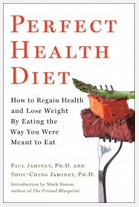
The Perfect Health Diet Click this image to purchase the book Dr. Paul Jaminet is a scientist with a Ph.D. in physics, University of California at Berkeley, 1992; Astrophysicist, Harvard-Smithsonian Center for…
The full conversation continues here.
Episode field notes
Show notes

Click this image to purchase the book
Dr. Paul Jaminet is a scientist with a Ph.D. in physics, University of California at Berkeley, 1992; Astrophysicist, Harvard-Smithsonian Center for Astrophysics, 1992-1996, turned Internet entrepreneur and executive, turned strategy consultant and economist. Dr. Jaminet and his wife have had a longstanding interest in diet and health after suffering from their own chronic health problems and moving away from their respective industries they joined together and co-authored their book “The Perfect Health Diet”. After experimenting with low-carb Paleo diets in 2005, they spent seven years refining them, and have successfully healed their own “middle-age” and chronic health problems through diet, learning a great deal about the benefits – and pitfalls – of these diets.
From Dr. Jaminet’s Website:
-
Disease, premature aging, and impaired health have four primary causes: malnutrition, food toxicity, evolutionarily discordant lifestyles, and chronic infections by bacteria, viruses, fungi, and protozoa.
-
These causes go together. People who eat toxic, nutrient-poor diets are more likely to contract chronic infections and do not easily recover from them.
-
Yet the body has amazing powers of recovery. On a healthy diet, the immune system can tackle and defeat most infections, especially with the aid of antimicrobial drugs.
-
A diet like the Perfect Health Diet should be the first treatment option in most diseases and an adjunct to therapy in all.
This was an interesting interview where we cover the various impacts of evolutionary biology, diet, health, nutrition and their respective roles in our everyday lives. We covered dietary supplements, which vitamins that may or may not be best for you, circadian rhythms and some very informing ideas on intermittent fasting, when and when not to eat and some common misconceptions about diet.
You can find Dr. Jaminet’s work here: http://perfecthealthdiet.com/
A big thanks to Dr. Jaminet for making the time to come on the show to talk to us
Ideas worth returning to
Quotes
Five substantial excerpts from the published transcript, lightly edited for clarity without changing their meaning.
“We approached an optimal diet by listing known nutrients, estimating the amounts the body needs, and translating that pattern into whole foods. The method begins with biological requirements rather than allegiance to a diet label. Individual needs still vary, but nutrient sufficiency provides a more testable foundation than ideology.”
From the conversation“Foods built mainly from refined starch, oil, and sugar retain calories while removing much of the original fiber and micronutrition, then add flavor back through processing. That is why heavily processed foods are generally poor staples. Prefer ingredients that remain recognizably connected to whole foods and carry more than energy alone.”
From the conversation“Early twentieth-century medicine discovered major vitamins and nutrients, then much of its attention moved toward pharmaceuticals and infectious disease. Those advances were enormous, but chronic illnesses involving many interacting causes require renewed attention to nutrition, metabolism, environment, and daily behavior.”
From the conversation“Medication can be valuable, but it cannot replace every lifestyle signal the body requires. In chronic disease, a drug may redistribute risk or delay one complication while other damage continues. Treatment should therefore combine appropriate medicine with nutrition, movement, sleep, and environmental changes rather than asking one prescription to carry the whole burden.”
From the conversation“Writing reveals how little you know because every clear statement creates another research question. As my father, aunts, and uncles began developing health problems, I wanted to organize what I had learned for them. A personal document expanded into a book because responsible advice required far more evidence and explanation than I first expected.”
From the conversation
About the guest
Dr. Paul Jaminet
Dr. Paul Jaminet is a scientist with a Ph.D. in physics, University of California at Berkeley, 1992; Astrophysicist, Harvard-Smithsonian Center for Astrophysics, 1992-1996, turned Internet entrepreneur and executive, turned strategy consultant and economist. Dr. Jaminet and his wife have had a longstanding interest in diet and health after suffering from their own chronic health problems and moving away from their respective industries they joined together and co-authored their book “The Perfect Health Diet”. After experimenting with low-carb Paleo diets in 2005, they spent seven years refining them, and have successfully healed their own “middle-age” and chronic health problems through diet, learning a great deal about the benefits – and pitfalls – of these diets.
Beyond the conversation
Selected work
Official sites, books, research, and institutional pages verified for this guest.
The complete conversation
Transcript
Archival transcript · Published on the canonical episode page
This archival source does not include reliable passage timestamps or consistent speaker attribution. The wording and any labels below are preserved from the original transcript page; no speakers or timing have been inferred.
welcome to the human experience podcast the only podcast designed to fuse your left and right brain hemispheres and feed it the most entertaining and mentally engaging topics on the planet as we approach our scent please make sure your frontal temporal and occipital lobes are in their full upright position as you take your seat of consciousness relax your senses and allow us to take you on a gyp we are the intimate strangers thank you for listening
what’s up guys such an immensely informed discussion here with the doctor Paul gemmen a before I rolled this episode let’s just get an update in for our regulars and anyone just finding us hxp is growing fast but personally it’s just not enough you can help if you like what you hear please tell people about the show whether it’s through social media or word of mouth I would sincerely appreciate you letting people know that we exist I’m sitting on a home run of an
episode with dr. Tom Campbell that should be released later this week I’ll leave it as a surprise but we have some of the top researchers in the world slotted for this summer so basically the only way for us to go is up moving into our episode here with dr. Jemma nay he is one of those people who is highly educated and has actually done the research the perfect health diet I highly recommend you read we get into some very key things about what you can
do to better your help and you can learn more about that by listening to this episode please check out dr. Jemma neighs work that will be linked below please also subscribe to our YouTube channel follow us on twitter at the human XP and thank you so much for listening the human experience is diving into diet supplements evolutionary biology and all things health with my guest co-author of the perfect health diet dr paul gemman a
doctor Gemini thank you so much for making the time to be here sir welcome to the program oh that’s great to be with you Xavier so dr. Jimmy for listeners that may not know can you just get into your education and your background please um yeah well I’m a little bit overeducated I got a PhD in physics and had a career as an astrophysicist for a little while but then I decided to leave and become a software entrepreneur and that was
during the Internet boom and and then when we sold that company in 2001 then I I started consulting and working on some books I’d always wanted to read some books and I’ve gotten some good ideas and Business and Economics that I wanted to write about but as I did that you know I have been noticing my health declining and in it and it kept getting worse I every year and I finally decided that I should actually focus on help for
a little while first and so that’s how i got into thinking about help Wow astrophysics interesting so I mean let’s let’s go through what was going through your mind I mean how did you get to that point where you felt like you need to write this book and create awareness on on health I well it really just started with my own health problems first of all and then my wife’s so we both had I and you could call the middle age health
problems but I you know things that really shouldn’t have been happening and then you know we knew we’re not just normal aging and in my case I’d had some problems since birth I was in and out of the hospital first four years of life with chronic ear infections and I had adenoids tonsils removed as part of that and um and I always had some problems with fungal infections and acne and and things like that but then in my 20s I took a year-long course for
antibiotics to treat the acne and all of my problems got worse and and then from then on it seemed like every year I would get less and less healthy and less and less able to do things and my reactions became very slow I started dropping things all the time I had a very bad essential tremor I couldn’t run or exercise quickly I had memory loss and you know so I was really worried about you know if things keep getting worse year after year what what am I
going to be in ten years and my wife had hypothyroidism and endometriosis and other problems and you know so you know we knew things burn bright but we didn’t know how to fix them you know we would go to the doctor once a year and and he would say oh there’s no I don’t see anything I can do and you know so it’s hard to uh it was hard to get a diagnosis or working treatment and I you know and it this went on for years and you know but I just didn’t know an
avenue to pursue things and then a a couple things came together in 2005 first we tried some chinese herbal medicines and those made a difference they made some things better but they also gave me like an allergic type reaction so i stopped them but that started me thinking all the things i put in my mouth ah matter you know because those this wasn’t you know like a pill that you would buy these were you know the actual leaves and
bark and herbs and you’d make a you make a tea decoction and you know so it’s much like food and you notice i started thinking oh it looks like you know nothing in medicine had helped us but it looks like something that his food like has you know powerful effects and so I started thinking well you know it makes sense that food would be important and so I started thinking about diet but I didn’t believe the mainstream diets and
you know I didn’t know how to pursue things and then I came across the Paleo diet and decided to give that a try and that also like the Chinese medicine had some powerful effects and really you know changed the symptoms some things got better some new symptoms appeared um you know but it was really educational and exciting and you know so now I new diet really mattered and you know and then it became a problem of refining the Paleo diet to make it better and yeah
and that was what we ended up spending the next five years working on yeah very interesting so I mean I know that you get into evolutionary biology it’s but what what is in your opinion is an optimal diet how does a person determine what that is for them well on the way we started determining it was by looking at nutrition and looking at all of the known nutrients and figuring out what’s the optimal amount of each for our bodies and then putting that together
translating it into foods saying what mix of foods do we need to eat in order to optimize our diet and that’s what took five years it took a lot of research but then when we did that I what we found is a lot of remarkable coincidences that led us back toward evolutionary explanations for what the optimal diet lost and so for instance we noticed our diet the composition is very similar to that of breast milk and you know send a light bulb goes on of course
breast milk is the optimal food for infants and you know it must have been selected to be you know the most nourishing possible food and so it makes sense that something similar would be optimal for adults so the adult the Apple adult diet has a little more protein a little fewer carbs than breast milk but it’s very similar and so that was one thing we noticed and then we also noticed though our food is really delicious it’s it’s
very similar to gourmet food in the high-end restaurants and you know why is that and then and then we thought oh well why did are you know in the restaurants to trying to make food that you know people love and you know that our brains react to very positively and say oh this is great and if you think in evolutionary terms why would our brain say this is great it only because it would be helping us be healthy and be more successful and have more children
and grandchildren you know so it made sense if we eat meals that are delicious and satisfying then I that’s likely to be a very helpful diet if it’s one composed of natural whole foods like we you know the sorts of things we would have had access to in the Paleolithic so you know so we still stuck with the ancestral paleo template but we refined it and so our diet ends up being about three parts plant food to one part animal food so it’s more plant food rich
than you know people may think of paleo but it’s still a Paleolithic type diet it’s a type of diet that our ancestors ate in the Paleolithic it’s a natural whole foods diet but it’s delicious it’s combined in the proportions that will make us really enjoy our food and be really satisfied after the meal is over hmm interesting because I tend to be a very busy person and so most of the time I am just kind of grabbing what’s available and eating that and I usually
find that’s not the best way to approach things are were there are some food that you found that specifically that we should maybe absolutely avoid to maintain a healthy lifestyle oh yeah i would i would definitely avoid processed foods industrial foods you know any of the things made with purified nutrients so usually those are things where the ingredients list starts with starch oil sugar um you know so those end up you know they’ve taken out all of the micro
nutrition and the fiber from food that just kept the calories and then they repackage the calories with some flavorings and so you don’t want to eat those I generally highly processed foods are going to be bad for you and then in terms of ingredients you generally want to avoid anything with vegetable seed oils I you know there are high in omega-6 fats they tend to have toxins they need a lot of processing in order to remove the toxins but the processing
can add toxins itself I it’s good to avoid added sugar we don’t really need it just the natural sugars and in fruits and starches and other plants are the optimal amount for us and in general you should be suspicious of seeds because those are going to have the most defenses and especially the seeds of plants that grow in grasslands I like the cereal grains like wheat because those have it co-evolved with herbivorous mammals and so the the big
evolutionary challenge for the seeds was getting digested by mammals and they don’t want that to happen so they all have digestive inhibitors and various things that interfere with the functioning of a mammals body and and not all of them are destroyed in cooking so we include white rice in our diet because I all of the known toxins and white rice are destroyed in cooking but I’ve in general you should be suspicious of grains and and some of the beans
because they’ve tended to evolve toxins that affect mammalian biology hmm are there are there are some specific vitamins that we absolutely need that you recommend that people take and um well we definitely need to be well nourished so we need we need all of vitamins and minerals and actually some other nutrients that are classified as vitamins or minerals and you know the reason things were called vitamins is they’re necessary for life if you had a
diet without any of a vitamin you would die um so they’re all necessary but some of them are really easy to get from food I so just eating a natural whole foods diet not one of the you know processed foods diet that doesn’t have the micro nutrition gets you a long way and then it’s really good to eat what we call supplemental foods so foods that have uh you know we call them that because their foods we think you should include
regularly daily or weekly in your diet just like supplements and those include things like egg yolks liver extracellular matrix material from bones joints tendons hoods on and seafood fermented vegetables ah ha you know so we have a we have a list in our book and on our website and and then there’s still a few things that it’s very easy to be deficient you know so you know if you eat oysters you can get enough sink but many people don’t eat oysters and
find it easier to supplement you know similarly if you ate enough sweet peppers you could do okay with vitamin C if you’re not too sick but you know many people have trouble getting enough vitamin C and it’s worth supplementing many people have trouble getting enough magnesium on vitamin D we don’t get out in the Sun enough expose our skin to the Sun so it can be beneficial to supplement that a lot of people don’t eat seafood regularly enough so
supplementing iodine can be beneficial um you know so it’s really you have to look at and text of your diet and see what you’re not getting from food and then and then it can be beneficial to supply those particular things in supplemental form was there was there any anything game-changing for you that you found that would improve your life by adding into your diet um well for most people it’s going to be egg yolks liver seafood
and seaweed and fermented vegetables to support the gut flora and extra extracellular matrix material so those will probably be the biggest things that are beneficial in terms of supplements I’d probably say magnesium iodine and in people who are less healthy vitamin C would be uh you know highly beneficial things to do add and and then I’d say another huge factor in health that many people overlook is timing of when you do things and meal timing is very important
so we recommend intermittent fasting having an overnight fast of 16 hours and making sure that you’re a tower feeding window is entirely in the daytime so you want to coordinate your eating with your light exposure and your physical activity and your social interactions and and then have a period of rest at night which you don’t eat hmm very interesting can we get into that a little bit more so you’re saying that we should have a period of eight hours
where we spend and and those eight hours we should eat within that window and the other was at 16 hours of the day that we should we should not which not be in just in food at all ah that’s right so um you know so I would recommend fluids and electrolytes in during the fast you know some things like coffee tea I vegetable soup um you know but basically minimal or no calories and you know so at our health retreats we suggest you know special people who have
adrenal issues on you know keep like a cherry tomato and some salt and water by your bed and then you can replenish electrolytes because if your adrenals aren’t functioning well you’ll tend to lose electrolytes you won’t be able to maintain them properly in the FAFSA if you replenish them I you know through the night just before bed and after waking that’ll make the fast less stressful um but in general it’s a very good idea to do intermittent fasting and
accentuate the circadian rhythms of food you know so that your calories are concentrated in the daytime hmm it’s very interesting there seems to be some mixed research on dietary supplements on one of the two battling sides there’s a multi-billion dollar industry and these these manufacturers are putting out vitamins mineral fiber amino acids on the other side there’s there seems to be a growing body of research that suggests people should have been abandon
multivitamins completely and that this is a placebo and that we’re being duped how do you respond to this and how can laymen such as myself kind of navigate these opposing claims yeah well that’s a it’s a complex topic so that there’s a lot of nutrients and uh and in general the you know the health effects of a nutrient are you shaped so your health is poor if you’re deficient but your health can also be damaged by getting an excess of the nutrients so a lot of
nutrients turn into toxins when you get too much and you know so that means there’s an optimal amount and whether a supplement is going to help you or hurt you depends on whether you’re below the optimum are above it and I you know so something like a multivitamin where for marketing purposes it seems the best strategy is to give people a hundred percent of the RDA of everything uh and you know but that means you know most people are getting one hundred percent
of the RDA things in food and so that means you’re giving them two hundred percent of a lot of nutrients and that can potentially tip over into the toxic and on the other side there’s a lot of things that are left out of multivitamins because they’re too bulky I you know so people are willing to eat you know several pounds of food but they’re not going to eat a very large multivitamin and you know so they don’t tend to put in bulky
things like magnesium or vitamin C into into multivitamins and you know so there’s a lot of things that are missing from multivitamins or are there in you know homeopathic type quantities and and it happens that a lot of the things that are missing from multivitamin type of things that people are actually most efficient in and a lot of the things that multivitamins provide you know people arguing okay with and don’t really need more of so it’s not that
surprising that multivitamins have you know shown is pretty much neutral in in most studies hmm so so what supplements do you personally use and you’re in your life uh I’d take I take some extra vitamin C I take a low dose of iodine daily even though I eat a fair amount of seafood but I don’t need seafood every day and I think it’s beneficial to get some iodine every day and I just find it easiest to take a take a pill I take vitamin D in the winter because I have
difficulty getting I live in Boston which is a little bit far north and I have difficulty getting enough sunshine in the winter on and a few others i took some zinc once a week and let’s see i’ll take some silicon occasionally if I don’t eat if I don’t need liver for a while I’ll take a little vitamin A um but ah pretty much I try to get most nutrients from food hmm okay where do you what do you think the current established kind of standing of the
Western medical system is I mean I know that you’ve battled with this chronic like illness disease type stuff and you know how do you feel the Western medical system is addressing these health problems that more and more people seem to be having well I think that’s starting a part job I think I you know we got a little carried away by the idea of pharmaceutical science so you know just the way medical science developed I you know when they started putting it on
a good footing in the early 20th century they discovered the major nutrients and vitamins and and nutritional research kind of came to a stop there in medicine moved on I there was a big there was huge progress against infectious diseases and then when things shifted toward chronic diseases with multiple causes so things like cancer and cardiovascular disease became the dominant causes of death I then I you know medicine wanted to stick with kind
of the pharmaceutical paradigm which had been worked out for infectious diseases you know of you know first developing first vaccines and then antibiotics and you know looking for compounds that would module the would alter our biology and hope that they could find those compounds that would fix those diseases and I think we can say at this point that the pharmaceutical approach those diseases really hasn’t worked so basically it looks like the causes of
most modern diseases are in our diet and lifestyle and nutrition and and if you keep someone on a bad diet and and keep them malnourished and keep them on an unhealthy lifestyle but you try to alter their biology you can’t there’s no way to fix the harm of being malnourished there’s no way to fix the harm of not giving your body the lifestyle environmental signals so what the only thing the drugs can really do is is move the symptoms around you know
so they can change where problems occur you know so for instance in diabetes people tend to get neuropathy early on and the drugs can move the harm some of the harm out of the nerves and towards somewhere else you know so that you sicken the whole body at the same pace and so you don’t you don’t die quite as early and you know those are beneficial drugs but it really what people really would have hoped for was to be made healthy and I think what we’re starting
to realize is that I I a good diet and lifestyle approach really can fix these problems and remove the risk of the diseases so I think in terms of where the medical system has to head it has to incorporate diet nutrition lifestyle much more deeply and make those much more central to the healing process right what do you what do you think the biggest misconception about diet and healthy food is that you’ve noticed um I would say you know probably the biggest
popular misconception is that you need to go to extremes or you need to suffer in order to eat a healthy time so um you know a lot of the popular diet regimens that are proclaiming this healthy are you know somewhat restrictive um or they may remove you know one type of food entirely so the vegan vegetarian doctors who removed animal food or went to a very low fat diet had a you know a long run and more recently the low-carb movement restricted carbohydrates has
you know been very popular and we’ve also had a lot of uh other more specialized diets that you know remove you know I’m thinking of some autoimmune protocols or gut feeling I putative got ealing diodes to remove a lot of types of food and you know so 11 misconception I would say is that you know if you if you just remove lots of foods you you’ll tend to improve your health you know we’re actually a diversity of foods is most often that
what’s going to do the most good and then on the other side about taste you know like like we said earlier I our brains evolved to make us healthy and you know some things that taste good if they’re made out of natural whole foods are going to be healthy for us more often than that so you don’t you don’t want food that I you know is tasteless or unpleasant or I you know leaves you unsatisfied there’s probably something missing if that’s the case hmm that’s
interesting just because i’ve always found that the foods that are most healthy for me usually tastes pretty bad so um huh I wonder if you could go into that a little bit more um well uh let me tell you what I typically eat for lunch so i’ll take a big bowl and i’ll make my lunch out of leftovers and i’ll put in some kind of starch like potatoes or rice i’ll put in you know some kind of vegetable I like like spinach often we have leftover vegetables I’ll just put
those in um i’ll put in some leftover meat or fish on i’ll put in three egg yolks i’ll put in some vinegar some coconut milk and fish sauce usually as flavorings and then just heat it up in the microwave and and it’s delicious and you know so um and that’s actually you know so we’re writing a cookbook we have a we have a template or how do you design a meal it’s pretty much I you know if you get the foods in the right proportions then
it’ll be delicious every time and I you know and actually if you look at the nutrient composition of that lunch that I just described and you add in a little bit of fruit or berries you know then it would you know basically come very close to the composition of breast milk and you know like we said earlier that’s a very healthy a combination of nutrients was there was there any specific moment where you realize there was a kind of
Eureka for you as far as okay this works for me and kind of your in your understanding of health and healthy eating and if you could go into that for us um I would say you know one thing anyone who’s written a book will know when you start writing you uh you know you realize how little you know and and you have to keep doing a lot of research in order to be able to you know read something that that’s good and so what happened for us is on I was you know
getting to an age where other generation before mine you know my father my aunts and uncles were having you know starting to have significant health problems so I wanted to write up what I’ve learned for them and started writing something up and then I kept finding you know things I needed to think more deeply about and and it kept growing and then I decided you know once that was done that I should turn it into a book and and kept
going and then we started a blog and we kept learning from our from our readers and then scribner and simon and schuster came to us and asked us to do a new version and stand so we did another round of research and updated everything and I would say the big you know Eureka moments are you know things like first of all if people mostly aren’t deficient in vitamins they’re mostly defy minerals and you know so that was one thing where you know i i’d had kind of a
haphazard record of supplementing things but i would tend to focus on vitamins and you know most people don’t need b vitamin supplements but most people do need more minerals so that was probably one of the earliest Eureka moments on I would say you know once we saw once we have gotten through all of the nutritional analysis and saw a picture of what the diet look like and realized that it it looked like gourmet cuisine you know that was that was a major
Eureka moment also realizing that it looked like breast milk and then starting to look into some of the evolutionary explanations and and then realizing well you know the breast milk of all the animals is similar so why do we animals eat different diets and then looking into that aspect we realized that it’s really only the digestive tracts that evolve and the nutritional needs of animals are pretty much all the same and that’s why the breast milk is
very similar and I you know so all that really evolves when animals move to a different food sources the digestive track changes in order to convert the food stuffs into a different set of nutrients and on you know so humans are interesting we have a pretty minimal digestive tract and therefore we need to eat close to our optimal nutritional needs and so the animals that can I eat things that aren’t talking about total nutrition need to have very big guts to
do a lot of fermentation of the of the plant foods and transform them into a different set of nutrients so I yeah there were a lot of insights and then and then also i would say in reading a scribner addition we realized the importance of lifestyle and you know things like meal timing other circadian rhythm entrainement factors and coordinating the various circadian rhythm and trainer so coordinating when you eat with when your expo
delight with when you exercise with when you get social interactions um those are all important things to do mmm interesting well thank you for sharing that so you get into evolutionary biology and you talk about how there was a shift of the sort of hunter-gatherer to your modern day super market if you could get into that for a bit I think that would be interesting um yeah well there’s a there’s a number of changes so uh you know one of them is of course the
hunter-gatherers all they had were natural whole foods and we have those around the edges of a supermarket but then in the middle of the supermarket we have all these manufactured foods which were put together with only specific nutrients and are often completely lacking in other nutrients and so for the first time you could you can eat foods that have been designed to appeal to our brains but that don’t actually have the nutrients that our brain I
expects and that you know the natural whole foods that had that same taste would have provided so it’s now possible to be malnourished in a way that hunter gatherers could never have been malnourished except in starvation you know so for the first time we can be we can be overeating calories but under eating nutrition and that really wouldn’t have happened in the Paleolithic and then it’s also possible now to have totally messed up circadian
rhythms so if you think back in the Paleolithic it wasn’t that easy to do a lot of things at night you know you could you could start a fire but it’s still not that convenient anyone has gotten camping it’s not that convenient to cook and I you know do a lot of work in the dark and you know some in the Paleolithic most of the eating would have been done in the daytime because that’s when it was convenient to do all that work and
they would have eaten very little at night but now we have artificial lighting we’ve got refrigerators and so on we can raid them @midnight and it’s very easy to eat at night so you know a lot of things have changed our technology has liberated us in many ways but it’s it’s also liberated us to do unhealthy things and we’ve managed to start doing them in quantity most of us so I you know it’s definitely it’s it’s now it’s now essential for people to
educate themselves about what is a healthy diet what is a healthy lifestyle and then manage their lives that way because the environment doesn’t no longer forces us to live with a healthy lifestyle it allows us to be very unhealthy if we choose to live that way hmm very interesting so what is your what is your I tend to go to the gym quite a lot and in kind of the the gym language they the ketosis is brought up a lot and avoiding carbs and what’s your
opinion on that well um that’s another you know we mentioned earlier some of the restrictive diet approaches that are sometimes used as therapies for various things so the vegan low-fat restrictive diets or the low-carb restrictive diets and ketosis is it’s another form of restrictive diet when we’re starved of carbohydrate and protein then our bodies start turning fats into ketones and the ketones can substitute for carbohydrates
in the brain and various other places and you know so it’s a way of coping with a carbohydrate restriction and I and this can actually be beneficial in certain health conditions can be beneficial for neurological function and some other issues and so it’s you know it’s actually you know a medically approved therapy for epilepsy and it works also for many other neurological conditions like migraines but it’s um you know like all the
restrictive diets it’s it’s very easy to become malnourished when you do that if you’re not eating carbohydrates then you’re probably not supplying your gut microbiome with carbohydrates and uh and you need to get quite a bit of carbohydrate fiber in order to have a healthy gut microbiome so and there’s also a certain plant associated nutrients and minerals like potassium that it’s very easy to be deficient in if you if you’re on a carb restricted
diet and and there are some risks to getting too much oil also so you know one of the ways people promote the generation ketones is by overeating oil and and that can lead to oxidative stress and other issues you know with potentially negative effects on the heart and in other tissues so um you know so i would say ketogenic diets which could be limp ketosis there you know potentially a powerful therapeutic option but they’re also tend to be a
risky option and so i wouldn’t recommend that as a as a routine diet but like i said you know i recommend intermittent fasting of 16 hours each night and so that will start to put you in a little bit of ketosis or the end of the fast and that’s not a bad thing uh so you know you want to be a unit right have a certain degree of moderation in in regard to ketosis yeah it does seem like there needs to be a sort of sense of balance in all things which makes sense
is there something that you could give a person may perhaps listening to the show right now one thing that they can do that would immediately improve their overall health um be well nourished you know so supplemental foods things like egg yolks I you know really do intend to improve health look quite a bit I I would say you know the meal timing the circadian rhythm all circadian rhythm and treatment is very powerful for help it you can easily in studies shorten
people’s lives by six years by disrupting circadian rhythms and I you know and just disrupting any one factor in circadian rhythms like if you don’t exercise you lose six years off your life if you get a night shift job you don’t lose six years off your life you know or if you get sleep apnea on if you you know get a lot of loud noises or bread lights at night then you’ll lose six years off your life if you don’t get enough social interactions in the day
then you’ll lose years off your life so all of those factors are really important eating at night is associated with obesity and diabetes and various other health problems so you definitely want to focus your food intake in the daytime and you know so probably those are you know like the and you know of course eating a natural whole foods diet so you really want to avoid the you know the manufactured foods in the middle of the supermarket hmm makes sense to me is
there and one one question we’re rapping about to wrap up here but one last question that I like to ask all my guess is there one thing that you would if there was one thing that you could go back in time and tell yourself when you began this journey what would it be um well I’d like to carry a copy of our book back and give it to myself and say read this because I actually the name of the name of our book perfect health diet I that is chosen it’s it’s not so much
that we’re claiming that our diet is already perfect it’s more that we’re saying you really need to aim / aim for perfection in order to achieve goodness in order to achieve good health and the reason is that there are so many factors that influence health you know there are you know 50 to 100 nutrients but I have a big impact on our health there are also many lifestyle factors you know things like meal timing you know things influences on your gut microbiome so you
know there’s just many many factors that influence health so there’s no one magic bullet but if you get the complete story together then it can make a huge difference and so that’s why I’d have to carry back our book which you know discusses great many things and and just recommend that so no no one specific message for your younger self then yeah well um you know I think I think we said some of them eat natural foods be well nourished and entrained circadian
rhythms would be the biggest things I’d you know but if there were a magic bullet and I had nutrition health you know then it would have been found long ago if all you had to do was do one thing manager you know you’d have great health and it would have been discovered pretty quickly so where can people find more about your work and what you and your wife are doing well you can go to our website perfect health diet calm and we also conduct health retreats twice a
year in may and october and those are called the perfect health retreat and I and they’ve been a great experience so far excellent thank you so much for being here doctor Gemini I really appreciate you making the time and and being present here with us and this is the human experience thank you so much for listening we’re signing out all right Thank You executive

Dave Asprey – The Bulletproof Diet
Dave Asprey is the founder of Bulletproof and author of New York Times bestseller The Bulletproof Diet, he is a Silicon Valley investor and technology entrepreneur who spent two decades and over $300,000 to hack his own biology. Dave provides information, techniques and keys to taking control of and improving your biochemistry, your body and your mind so the

Dr. Daniel Amen – Diet, Nutrition, Brain Imaging, Defeating Depression
Dr. Daniel Amen. is an expert on brain health who has made his life’s work merging the DISCIPLINES of psychiatry and neuroscience to better understand how our brains work. Dr. Amen is a double board certified psychiatrist, he is a TEN TIME New York Times best selling author. He is widely regarded as the foremost expert in brain scanning, he’s scanned roughly

Tom Bilyeu – Conquering the Mental Game (Founder: Quest Nutrition)
Tom Bilyeu was once a successful chief marketing officer at a tech company with a decent income and his own office overlooking the Pacific Ocean. Physically he was doing well. Mentally he was hitting rock bottom. His heart was just not into it and he wasn’t happy and didn’t feel fulfilled. Now he is president and co-founder of the highly lucrative Quest Nutr
Independent conversations
Help make the next one possible.
Membership sustains ambitious, unhurried interviews and keeps the complete archive open to curious listeners everywhere.
Become a member