The Human Experience · Episode
Episode 73 – Elizabeth Lesser – The Omega Institute
A conversation with Elizabeth Lesser
ELIZABETH LESSER is a bestselling author and the cofounder of Omega Institute, the renowned conference and retreat center located in Rhinebeck, New York. Elizabeth’s first book, The Seeker’s Guide, chronicles…
Stay with the full conversation.
Episode field notes
Show notes
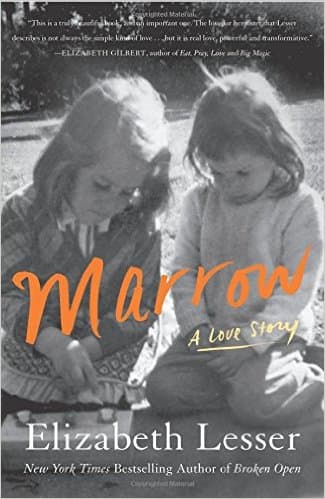
ELIZABETH LESSER is a bestselling author and the cofounder of Omega Institute, the renowned conference and retreat center located in Rhinebeck, New York. Elizabeth’s first book, The Seeker’s Guide, chronicles her years at Omega and distills lessons learned into a potent guide for growth and healing. Her New York Times bestselling book, Broken Open: How Difficult Times Can Help Us Grow (Random House), has sold more than 300,000 copies and has been translated into 20 languages. Her latest book, Marrow: A Love Story (Harper Collins/September 2016), is a memoir about Elizabeth and her younger sister, Maggie, and the process they went through when Elizabeth was the donor for Maggie’s bone marrow transplant.
Elizabeth cofounded Omega Institute in 1977—a time when a variety of fresh ideas were sprouting in American culture. Since then, the institute has been at the forefront of holistic education, offering workshops and trainings in: integrative medicine, prevention, nutrition, and the mind/body connection; meditation and yoga; cross-cultural arts and creativity; ecumenical spirituality; and social change movements like women’s empowerment and environmental sustainability. Elizabeth is also the cofounder of Omega’s Women’s Leadership Center, which grew out of the popular Women & Power conference series featuring women leaders, activists, authors and artists from around the world. Each year more than 30,000 people participate in Omega’s programs on its campus in Rhinebeck, New York and at urban and travel sites, and more than a million people visit its website for online learning.
A student of the Sufi master, Pir Vilayat Inayat Khan for many years, Elizabeth has also studied with spiritual teachers, healers, psychologists, and philosophers from other traditions. In 2008 she helped Oprah Winfrey produce a ten-week online seminar based on Eckhart Tolle’s book, A New Earth. The webinar was viewed by more than 8 million people worldwide. She was a frequent host on Oprah’s Soul Series, a weekly radio show on Sirius/XM, and a guest on Oprah’s Super Soul Sunday. In 2011, she gave a popular TED talk called “Take The Other to Lunch,” a call for civility and understanding as we negotiate our differences as human beings.
Elizabeth attended Barnard College, where she studied literature, and San Francisco State University, where she received a teaching degree. In 2011 she received an honorary doctorate from the Institute of Transpersonal Psychology, in Palo Alto, California. Early in her career she was a midwife and birth educator. Today, besides writing and her work at Omega Institute, she lends her time to social and environmental causes, and is an avid walker, cook, gardener, friend, mother, grandmother, and homebody. She and her husband live in New York’s Hudson River Valley.
Marrow: A Love Story:
A mesmerizing and courageous memoir: the story of two sisters uncovering the depth of their love through the life-and-death experience of a bone marrow transplant. Throughout her life, Elizabeth Lesser has sought understanding about what it means to be true to oneself and, at the same time, truly connected to the ones we love. But when her sister Maggie needs a bone marrow transplant to save her life, and Lesser learns that she is the perfect match, she faces a far more immediate and complex question about what it really means to love—honestly, generously, and authentically.
Hoping to give Maggie the best chance possible for a successful transplant, the sisters dig deep into the marrow of their relationship to clear a path to unconditional acceptance. They leave the bone marrow transplant up to the doctors, but take on what Lesser calls a “soul marrow transplant,” examining their family history, having difficult conversations, examining old assumptions, and offering forgiveness until all that is left is love for each other’s true selves. Their process—before, during, and after the transplant—encourages them to take risks of authenticity in other aspects their lives.
But life does not follow the storylines we plan for it. Maggie’s body is ultimately too weak to fight the relentless illness. As she and Lesser prepare for the inevitable, they grow ever closer as their shared blood cells become a symbol of the enduring bond they share. Told with suspense and humor, Marrow is joyous and heartbreaking, incandescent and profound. The story reveals how even our most difficult experiences can offer unexpected spiritual growth. Reflecting on the multifaceted nature of love—love of other, love of self, love of the world—Marrow is an unflinching and beautiful memoir about getting to the very center of ourselves.

Click To Pre-order this book (beautiful, touching read)
In this episode we spoke to Misses Elizabeth Lesser regarding the human condition and her role in co-founding and creating the Omega Institute. We talk about meditation, mindfulness and much much more.
You will love this this conversation.
Editorial Reviews on Marrow: A Love Story
“Lesser has reached into the center of her soul to write a book rich with love—love that is just as equally weighted by realism and as it is lightened by mysticism. It is real love: powerful and transformative. Marrow is truly a beautiful book, and an important one.” (Elizabeth Gilbert, New York Times best-selling author of Eat, Pray, Love and Big Magic)
“Marrow is wise and raw, vulnerable and funny. Elizabeth’s profoundly honest journey to learn what it is to be flawed, to grow, to change, to love and to let go moved me deeply…..to my marrow.” (Sally Field, Academy Award-winning actress)
“Marrow is an unforgettable memoir about two sisters, but it’s really about all of us. It’s about the courage it takes to own our stories, look truth in the eye, and write our own bold endings. No one truth-tells with more soul and tenacity. Lesser’s courage is contagious.” (Brené Brown, Ph.D. Author of the New York Times #1 Bestseller, Rising Strong)
“I thought with Marrow, Elizabeth Lesser had written a book about dying. But in fact (and miraculously) this is a book that teaches us how to live.” (Jane Fonda, actress, activist, and author of My Life So Far)
“Every human goes through love and loss. Not everyone finds out what matters most. This book is also your story and mine. Read it and you may get to know yourself a little better.” (Deepak Chopra, MD, New York Times best-selling author of The Seven Spiritual Laws of Success and Super Genes)
Find Elizabeth and her work Visit elizabethlesser.org.
We rely on listener support to keep this show AD FREE – If you value even one of our shows, help us sustain and scale the show up; Become a member for 5$/mo (a cup of coffee) or Donate.
Ideas worth returning to
Quotes
Five substantial excerpts from the published transcript, lightly edited for clarity without changing their meaning.
“I have not had a single experience after which I considered myself enlightened. The defining realization, still unfolding, is how similar human beings are. Years among celebrated teachers, scientists, artists, and public figures have shown me that status does not create a separate species; the same human needs and struggles remain.”
From the conversation“My first book was large and heavily researched, with only a few stories from my own life woven through it. Readers often admitted they had skipped much of the research but remembered those personal passages. Because I write about deep human issues, I realized that greater honesty about my own experience could make the ideas more accessible.”
From the conversation“I grew up with a strong call to give back to the community and an equally strong mystical vision of human life. In college those impulses felt opposed: the mystic wanted to withdraw and follow a spiritual path, while the activist was angry about injustice and wanted to engage. Much of my life has been an effort to bring those two callings together.”
From the conversation“No human being—however famous, wealthy, educated, wise, or experienced—is immune to the struggle of being human. Wise people experience depression and despair; rich and celebrated people can be miserable; relationship experts have troubled relationships. Refusing to put people on pedestals is not cynicism. It is respect for the truth of our shared condition.”
From the conversation“When you become receptive, vulnerable, and real, help often appears. I describe it as though angels arrive, but the practical change is that defensiveness no longer blocks connection. In my own life, when I put down the performance of being invulnerable or self-sufficient, other people and life itself have had room to meet me.”
From the conversation
About the guest
Elizabeth Lesser
ELIZABETH LESSER is a bestselling author and the cofounder of Omega Institute, the renowned conference and retreat center located in Rhinebeck, New York. Elizabeth’s first book, The Seeker’s Guide, chronicles her years at Omega and distills lessons learned into a potent guide for growth and healing. Her New York Times bestselling book, Broken Open: How Difficult Times Can Help Us Grow (Random House), has sold more than 300,000 copies and has been translated into 20 languages. Her latest book, Marrow: A Love Story (Harper Collins/September 2016), is a memoir about Elizabeth and her younger sister, Maggie, and the process they went through when Elizabeth was the donor for Maggie’s bone marrow transplant.
Beyond the conversation
Selected work
Official sites, books, research, and institutional pages verified for this guest.
The complete conversation
Transcript
Archival transcript · Published on the canonical episode page
This archival source does not include reliable passage timestamps or consistent speaker attribution. The wording and any labels below are preserved from the original transcript page; no speakers or timing have been inferred.
welcome to the human experience podcast the only podcast designed to fuse your left and right brain hemispheres and feed it the most entertaining and mentally engaging topics on the planet as we approach our Center please make sure your frontal temporal and occipital lobes are in their full upright position as you take your seizure consciousness relax your senses and allow us to take you on a journey we are the intimate strangers thank you for listening what’s
up folks Xavier katana here with another home run episode this is mrs. Elizabeth lesser she is the founder of the Omega Institute and author of her new book marrow a love story all I can say about this conversation is wow it felts like speaking to a long-lost old friend that I hadn’t seen or heard from in in a long time and the conversation flowed so seamlessly and there’s a vibe or a presence that Elizabeth has that you feel immediately and it is just a
calming resonance that hopefully translates through this this recording please pick up a copy of her book marrow a love story it is truly a great read find us on Facebook Twitter YouTube all at the human XP we survive on listener support so get to the human XP donate to help us keep this machine oiled pay for bandwidth server costs show us your support if you value what we’re doing here put your money where your mouth is or your ears are but
either way without much further ado here is one of the best episodes we’ve done hands down mrs. Elizabeth lesser thank you guys so much for listening the human experience in session our guest today is mrs. Elizabeth lesser Elizabeth welcome to hxp thank you thanks for having me Elizabeth I I admire your work so much starting from co-founding the Omega Institute in 1977 you have such a wide history and can you kind of lay the foundation for anyone who may not know
who you are please okay well that’s what I’ve been trying to figure out my whole life Who am I but what I’ve done what I’ve done as opposed to Who I am is well very young in my early 20s a bunch of us were studying with a spiritual teacher it was that time in American history when everything was in flux and you know politically and socially and it was also the time when these gurus from the East were washing up on the shores of America and I was
raised in an atheist intellectual family and all I ever wanted was as a kid was to have a spiritual life I don’t know where it came from but when those gurus started making it to the cover of Time magazine and I was still in high school I was like I want one of them and I went to college and but what I really wanted to do was to find a spiritual teacher and when I was 19 I did and he was an amazing man with it like a renaissance kind of man an
Eastern teacher but a Western thinker as well and it was his idea to start a school of holistic studies and a lot of what we were interested in at that time was way at the fringe of American culture things like yoga and meditation and food as medicine and natural foods and alternative healing things that are very much part of American culture now Western culture but weren’t then and that was his idea put myself and my ex-husband in charge of starting this
school and we had no idea that Omega Institute as we called it would turn into what it is today 30,000 people come every year to our workshops and trainings and we offer like a very wide array of workshops to people from all over the world we didn’t know that that’s what we’d be starting then but that is what ended up happening yeah Omega is so huge from Maya Angelou to Deepak Chopra to ROM das to Eckhart Tolle there’s so many visionaries that
are kind of part of what you’re doing and I’m just digging right in here and if there’s there’s one specific thing that kind of defines you through all of your hurdles and with with setting up this this sort of Institute and the books you’ve written I mean you’re a best-selling author and just everything that you’ve done your life what would you say is that would be the defining moment of that you know some people have had an awakening in a defining moment
like you mentioned Eckhart Tolle and people who say like I woke up and then I was enlightened like that’s I I have not had that experience I I would say the defining experience for me which is still going on is that we are all this we are all the same we are so similar people will say to me what’s it like being around all those great spiritual teachers and scientists and artists and famous people and oh my god you must have met such amazing people and and I
forever even when I was 21 years old and starting megha and even becoming a best-selling author my experience has always been everyone even the wisest among us the Dalai Lama and Eckhart Tolle A’s and whomever we’re all the same everyone struggles everyone gets confused no one is nice and good all the time we get up we we vow that we’re going to put into practice the wisdom we know and we fail and we try again and I’ve learned
this by being around people who others put on pedestals and I’ve seen them fall and I’ve seen their paradoxes and inconsistencies and what it’s given me is a great sense of compassion toward myself for my imperfections and toward other people I I am NOT after perfection I’m after authenticity and that’s what I value in people and I think that is what I have learned over my years of being a seeker I think more and more authenticity seems to be the current the
current kind of currency I mean without authenticity of what do we really what do you really have and why are we doing it who are we trying to impress and what do you get after you’ve impressed other people you still left with your life and yourself Elizabeth you’ve written marrow this new book which which actually details your your actual help of your you were helping your sister by donating marrow to her and this affected you on both a
spiritual level and a physical level I mean can you tell us more about this yes my younger sister I come from a family of four girls and the sister right next to me very close in age her name is Maggie had gotten seven years previously a virulent strain of lymphoma and she’d gone into remission for seven years but then it came back and when a cancer comes back as you all probably know it’s very hard to treat it again and so this time she
needed a bone marrow transplant and siblings are the best bet for tissue match so all the siblings got tested and we were very surprised when it turned out that the person who tested a perfect match was me and I was surprised because my sister Maggie and I were very different kinds of people and we loved each other but we also had a you know kind of a rich typical sibling history of being friends and being strangers and betraying each other and loving each
other and the whole thing that siblings go through and when I studied up on what it meant to be a bone marrow donor and to be a bone marrow recipient I I was intrigued to read in a lot of the research that after my sister if indeed she did survive the chemotherapy treatment in order to be prepared for the bone marrow transplant she still would have a long recovery and with lots of dangers and the biggest danger would be if she would reject my bone marrow
once it was transplanted in or maybe my bone marrow would attack her attack and rejection rejection and attack these are the two words that come up in a lot of the literature and I thought wow that sounds familiar um especially with sisters and siblings like that’s what we’ve done our whole life with each other we’ve either rejected each other or attacked and I thought I wonder if we could do some kind of ritual or therapy or something
where we would relive our childhood together and visit how we rejected or attacked each other and like put it aside and work through it and walk into a field of unconditional love and maybe we could teach ourselves to do the same thing once they’ve been transplanted and I had to be careful recommending to my sister because she’s not like me and didn’t have the same interests and the same compulsion to go deep all the time she had sort of a bemused attitude
about my work and books but she was very very into this idea and so we did over the course of many months what we called our soul marrow transplant yeah tell us more about this the soul marrow transplant and how did I mean what and what was involved in this as as you kind of opened up to each other well um well first of all I’ll just tell you what I mean by soul cuz it’s kind of a loaded word well it was for my sister I had explained to her what I meant you know
the ancient Greeks believed that every human being came into life as a baby with something they called the genius which was like this indwelling spirit a guide almost that if you got in touch with it and especially if your parents and your school your culture helped you like determine oh that’s that’s his genius he’s like this let’s help that person discover exactly who he is not who we think he should be or the other siblings are like or or the culture
needs like oh let’s let’s promote the indwelling genius and that’s the way I relate to the word soul like we each come in with this shining seed of who we are and then parents try to help us fit in try to make us fit in schools do siblings do and layer by layer we cover the soul the authenticity the authentic seed of who we are and and then we relate to each other kind of surface-to-surface so this our soul marrow transplant though it’s what my
sister and I did with the help of the therapist was we we tried to show each other exactly who we were and that included how we hurt each other and what we really had been thinking why we did some of the things we did you know for example there were quite a few years in our young adulthood when my sister rejected me and I couldn’t be close with her and I never knew what it was but I never bothered to ask her either you know the way we just kind of build up
these stories believe them and never check them out and as it turned out her reason for doing that was such a painful one for her it really had nothing to do with me it had more to do with her marriage and what if her husband wanted her to do but she never told me that I never told her my hurt and what was so amazing about our experience was and this was made easier in a way because of the life-and-death nature of what we were doing was that all she had to say
was oh my god I didn’t know you were hurt this is why I did it and just hearing that everything disappeared all the years of pain and rejection disappeared and there we were together like our souls intact relating to each other soul to soul so that’s what we called our soul marrow transplant and so by the time we went into the bone marrow transplant we felt really ready to give and receive interesting so I just want to read a small passage from from your book it’s
part of your your field note that well the field notes are my sister’s words the field notes are my sister when I started writing the book you know memoirs a very we’re very dicey risky form to write and in this case it was so much about my sister I wanted to get her approval and I was reading her early versions of the book and she also wrote and she wanted me to perhaps include some of her writing in the book and that’s what we call her
field notes okay let me I really am really touched by this passage so I I want to I want the listeners din to hear it field notes March fifth now that it’s a possibility I have to decide about the transplant I feel trapped with no way out damned if I do damned if I don’t I’m frozen in place my hair is falling out I’m down to ninety five pounds I hurt everywhere in my body and in my heart today I saw my daughter we were driving down the road
with the intention of going shopping my only go goal for the outing was to stay positive but as I drove I began to break down and we when we pulled over I could no longer contain my crying it goes on I mean this book is so touching why take this why why bring it to this format why write a book about it well that’s the question anyone who is called by memoir asks herself or himself every day of writing you know I I kind of answered that
question the way a mountain climber would answer why would you climb that mountain in the middle of winter like what would you do that and they say because it’s there and for me the it that’s always there are the deep deep questions of life life struggle suffering joy bliss letting go death I let me tell you I would way prefer to write cookbooks or a book about knitting or something but I am called to the deep I always have been I was as a child and
when I wrote my first book the Seekers guide it’s a very big book and it’s very researched but I also used my own life as a seeker weaving through it not very much of my own life but some and people would say to me oh I loved your book actually I didn’t read the whole thing actually I just read those stories about you and so I thought well if I write another book I probably since I write about the very deep human issues I promised write more about myself so when
I wrote broken open how difficult times can help us grow I ended up writing it as a memoir and my difficult times the biggest one I wrote about in that book was getting divorced and becoming a single mother and um lo and behold much to my surprise it became a New York Times bestseller and I was on Oprah several times and suddenly all of my dirty laundry was flapping in the breeze for everyone to read about and it didn’t really bother me about myself
I don’t mind revealing my about myself but I felt really bad for my family members and my friends because when you write about difficult times you end up writing about people and so I vowed I will never write a memoir again like I’m just sick of writing about myself I feel sorry for my family but I was wanting to write about this idea of authenticity and I tried to write it as a novel I tried to write fiction I spent two years
working on a novel and now I look back at it and I think oh my god I should have finished that novel because it was about a woman politician trying to be authentic in a world of disingenuous Ness and that would have been very relevant today but I just couldn’t wrestle a novel that formed to the ground is just like not my form and then when I went through this experience with my sister each one of us trying to offer the other one our our most authentic
clear loving self I thought well here’s the form to write a book about the truth of authenticity like what does it really mean to be authentic and how can we do it with each other because if all we’re doing in trying to become authentic is about me me me it’s I’m not interested in that I’m more interested in what would happen if we all related to each other from our core selves didn’t hide out from each other who weren’t embarrassed about being who
we were were accepting of the others authenticity that’s what I’m really interested in so that’s why I wrote the book okay okay you’re also a segue artist you’re going into broken open and seekers guide to which I have questions for but let’s let’s stick with authenticity because this is this seems to be your main kind of message that you seem to be relating here so why don’t we define that what is how do you define authenticity I’m fine authenticity has a
way of uncovering it’s a path I don’t think one should hold out in front of oneself this idea that I will finally get to Who I am and I will rest there and then I’ll know it’s more a path of constant uncovering at the very very very deepest core of who we are is something that I almost hesitate to talk about because it sounds kind of cheesy and unobtainable and that’s that we are all one we are all a fabric together but on the way to that when we we get out of
the way our shame of our body our discomfort with our eccentricities all the voices in our heads who tell us you’re bad if you’d want that you’re good if you do that all the way that we’ve been conditioned to exist in family and culture it’s uncovering those voices and seeing okay some of them really maybe me but some of them aren’t who am i if I really just allow that shining seed to take root and blossom and grow where would it lead me
what would I do if I was listening to that inner voice so it’s the great art of uncovering and a beautiful thing about being an authenticity seeker today is that there’s so many ways to conduct the search psychotherapy to me is like a holy type of seeking trying to quiet the voices who who give us bad advice healing the body is a way of uncovering the soul because often what we’ve done is our physical ailment is actually a way of defending against what we’re
feeling you know a lot of people who say they overeat so they don’t feel they don’t take care of themselves on taking care of the body healing the body making the body strong making the body vibrant can be a way to uncover the soul and so can the traditional religious and spiritual parents there was a there was a TED talk that you did that I found really remarkable you you said something that I found really remarkable at the beginning of the TED talk you said that
there was within the room that there were 600 people but there’s actually so many more because in each one of us there’s a multitude of personalities and you said that in yourself you have two primary personalities that are in conflict and conversation and you call them the mystic and the warrior can you can you define that a little bit more for us yeah and actually that sweet spot where the mystic and the warrior meet that’s close to what I would call
my authentic self and that’s often the case in people like there are a lot of conflicting ideas and proclivities and we’re afraid to marry them all see what would happen so for me my mystic self I was born with my mystic self and by mystic I mean someone who allows the mystery of human existence to kind of work on me and I’ve always wanted to explore the mysteries Who am I where did I come from how do I live while I’m here where do I go when I die this is the
mystic the mystic is someone who fearlessly wants to explore those questions so that’s alive and well in me and I was raised by social activists and intellectuals and my parents truly believed and in their own life lived out this ethos of you must give back to the community you must stay aware you must work for justice my mother was very involved in anti-war and social justice movements my father was a naturalist and an environmentalist and I often think like
I had like Rosa Parks and Henry David Thoreau as my parents like that’s what we were raised to do and to be so I took up very with a lot of energy that called to always give back to the community but I also had this much bigger picture of human life which was the mystic part of me and when I got to college I felt those two urges in diametrically opposed to each other the MS stick said drop out of life go become a nun just follow the spiritual path and the
activist in me was very angry and what was going on in the world and I wanted to do something about it so that idea of like all as well that’s what the mystic feels all makes sense all as well don’t stress don’t worry and then the angry one who wanted to do justice in the world they have been in conversation my whole way yeah Wow it’s so powerful you know I just there’s you know there’s so much kind of advice and I mean you you’ve been around so many people who
and you know and you’re at the beginning of this conversation we kind of talked about you know how we’re all kind of the same and we tend to put the people that we look up to on two pedestals and there’s a lot of hero worship that happens there do do you notice that happens with yourself do you notice that happens towards you with it from other people oh that’s such a great question I I’m shocked when it happens toward me and I’m kind of I guess I’m kind of
naive about that on a couple of levels one I have worked so hard not to do that with other people and I’ve had a great opportunity to make that a practice not to put people on pedestals not to do that because one it’s not the truth no one no human being no matter how famous or rich or learn it or wise or experienced no one is immune to the struggle of being human everyone struggles the wisest people have moments of dark depression and despair and the
most famous and rich people can be miserably happy I mean I’ve met the greatest relationship experts in the world who are getting divorced and I’ve met the you know organization guru whose car is a mess as she drives into the Omega parking love like it’s just and this this has never really upset me or made me cynical it’s more like oh my goodness human beings are a mess we’re all a mess and we’re all trying and we’re all looking for help but just because
someone can help you doesn’t mean they’ve got it also not and I know this because I’ve met the greatest helpers in the world so when people put me on a pedestal I think it’s kind of silly but I also have become more and more comfortable with accepting the role of someone who has walked a few steps farther on this path and and I do indeed have skills and wisdom to offer so I try to hold it very lightly yeah I agree I really do believe that you have a lot of
wisdom to offer and that’s a very humble stance that that you’ve taken on your position on just of holding other people in that regard I love it so I mean Elizabeth II I mean Omegan Stu was do you started this in 1977 so it’s 39 years ago for decades this is a long time running I mean what what is your vision for this and what has been the vision for this and where is it where is it kind of going and from here on well fortunately for me there’s a whole crew
of people now running Omega on a day-to-day basis I used to live and breathe it and work it 24/7 in the very beginning we didn’t know what we were doing we’re a bunch of young people running after a dream and it taught us everything we know and we made no money and we’re real visionaries zealots and it has grown into a real institution and it has a very large staff now and other people who are running it and they could more clearly
tell you the vision for today although I will I will tell you some things about that because I am involved still but what we always envisioned it to be and and what we have always strived to make sure it maintains is a sense of community you know the the church where the synagogue used to be in this country like the place where people went at least once a week to feel part of something bigger than themselves like a tribe of explorers of the human
condition at least once a week you could go there and there would be inspiration and solace and tradition and ritual and that just does not exist for most people anymore and that is a human need the sense to belong to a group of like-minded people exploring what it means to be alive and we often joke at Omega like our catalog comes out every year and there’s more than 300 workshops and trainings in the catalog and we joke that it’s really one workshop and then
we just stick different words in it and of course that’s not true because there are things like learning acupuncture or learning African drumming or the whole thing in-between but what we mean is that what people are really coming for is because Omega gives them an oasis in this supercharged world this busy busy connected world this world where you never put your cell phone down and you’re working all the time and you’re just trying to get through the day
Omega gives you a respite an oasis where you can come and relax and disconnect a little and talk to people on a deeper level people will always say to me I met someone at lunch in the dining room and I think I know her better than I know my best friends because we just immediately went deep together and that’s that’s our purpose it’s always been our purpose to create a community of like-minded people who are learning and growing together
and you know over the years different subject matters percolate up to fit the needs of the culture and over that I’d say the past eight years maybe 10 I don’t know we have we have felt the need to do what we’ve called the movement from me to we that we have really perfected workshops about taking care of yourself and now we’ve really wanted to guide people toward self-care meeting up with care of our world which is in such a need of wisdom and care and that’s why
a lot of our initiatives now besides our regular workshops which we maintain are things like a lot of work for veterans responding to vets coming home with PTSD and while working with them we have a Women’s Leadership Institute that is helping women learn how to trust their voice in leadership so that maybe we could do power differently and another big part of our curriculum is environmental work training individuals and municipalities and other
constituents to have a lighter footprint so I mean what does this taught you I mean it so I mean you’re not running it now but you were you co-founded it and you or the core of it for a long time so what did it what did it teach you to organize something that now is affecting so many people well let’s see you know of course I’m the most mundane level it taught me quite a bit of the subject matter because my job for most of my years
there was programming choosing our faculty and also writing our catalogue so I would have to take large books and turn them into pithy little to paragraph descriptions of a workshop or a professional training so I learned a whole lot about a whole lot of subjects from science and brain science and different religions and music and art and so I have kind of a broad knowledge of a lot of subjects but um I think I think what it taught me the most is the
idea of working really really hard for one thing really choosing something to focus on and giving it your all all of your concentration and study and work and love and you know people will often ask me like how do I find my purpose in life that’s a very loaded question but my answer probably disappoints them which is just pick something something even if it’s a little close to your heart and work on it for 20 years work on it really hard and you will be
given so much you’ll give be given way more than that one thing because there’s a great joy in in completion and seeing things to the end and doing something that serves other people so that’s one of the big lessons for me is picking something and sticking to it I mean it’s the same thing as you could say for a marriage that that if you’re always looking for that work to be the perfect thing before you commit you’re never gonna find it but if you commit to
something that’s pretty darn good but not perfect you get to perfect yourself Wow so profound so you know Elizabeth I it’s it’s kind of hilarious to me sometimes because we get we get a lot of emails here at the show and a lot of different types of feedback and you know people people kind of just expect the show to kind of run and even when even when the guests kind of come on you know just they just expect everything to work properly they have no idea that I’m that
I’m working you know like eight or nine different knobs here and making sure the levels are right and and then all everything that is behind the engine that you know that we’re kind of creating here and is there something that that you kind of connect that analogy to yes well the first thing that comes up is and I’ve learned this from working at Omega with a lot of different people we have a large staff and when you’re in a leadership position the
people who work with you really want you to know what they’re doing they want you to see what they’re doing not because they’re narcissists because as you say people are always doing way more than you think they are always what it takes to do one thing takes 40 things and as I have stopped as a leader and turned around and looked at the people who work with me and really seeing what they’re doing so that they are seen and I know
what my business really takes to run it’s a really important aspect of leadership to do that with the people you employ to really know what they’re doing and I the the law of work to me is that everything takes longer and ever is working harder than you think and give everyone that benefit of the doubt now of course there’s always charlatans and lazy people but most people are working their tail off and you just don’t know it Elizabeth
you know we’re we’re about 40 minutes in to the interview and if there’s one thing that you could kind of give to someone who’s made it this far into the episode and what I mean what what is something that you would give someone who is you know struggling with self-doubt has has trouble with finding sort of their life mission someone who is struggling I mean what do you do what do you tell to that what do you say to that person
well the first thing I say and I’m gonna sound like a broken record is that you are not alone there is nothing uniquely screwed up about you and that that secret shame we carry around that everyone else was given the instruction book that but we weren’t is really crippling because on top of the general difficulty of being human we add this layer of everybody else hasn’t figured out we don’t you know you know the poet Rumi he always talks about the open
secret and by that he means we we all go around hiding this big secret from each other and that secret is almost a joke because it’s not really a secret we all try to hide from each other that we wake up confused that sometimes we fail we are sad a lot we don’t know what to do we don’t know if we’ve made the right choice we struggle we fail we fall but we try to hide that from each other so you meet a friend on the street and you
say hey how are you oh I’m great how are you oh I’m great and both people are not great they have something going on that’s that’s you know hurting their heart but since one said great then the other says great and then we walk away and both are thinking something like god I wonder why she has it all together or oh I bet her kids are all doing great in school and and it’s it’s not that we need to all go around and complain to each other all the time but by hiding
the sense that we suffer we miss out on real help and connectivity and intimacy and and we have this secret shame all the time and I really believe that letting go of that and owning your humaneness with a sense of humour and a sense of belonging to this odd life we live our living that is way more than half the end to the suffering now that’s that’s only half the way but by putting down that burden of thinking that you’re uniquely screwed up all sorts of helpful
hands come to help you because suddenly you’re just being a receptive human being and there’s a lot of help out there and I feel it’s like angels appear for the one who is vulnerable and open and real and that may sound whoa whoa but I have experienced it in my own life when I put down defensive nough sand disingenuous –mess life rushes in to help me so that’s the greatest greatest advice I have yeah Wow love it you’re really big on meditation you have a blog
a toolbox for daily life where you kind of just post stuff that people can use one of the things I guess you would say it would be medicine is meditation why is meditation so important well for me it’s been really important some people get the same effect from other kinds of spiritual tools so you don’t have to meditate but for me meditation has been a tremendous friend and I’ve done it so much now that I can access it in a second just by shifting my posture
or breathing in a certain way but it’s the kind of practice that you know it’s the word practice like you practice to be a great basketball player by doing drills or scales on the piano meditation is a practice so that you can become skilled at the art of living it’s not you don’t meditate to like become the best meditator or have like the hippest yoga mat or something the practice of meditation is the the best way I can explain it in a quick way is you look at
the posture in the great iconography of religions like the Buddha with his straight back or Joan of Arc on the horse lots of different religions have this same posture in their leaders which is a strong straight back a warrior back but the front the heart is open and soft and you see this both in paintings where you actually see the heart like Mary in her straight back and her blue veil but her heart is illuminated so the practice
of meditation is a straight back meaning I am strong and a very very soft and open heart and when I meditate after years of doing it working with different teachers what I do is I take that posture and I feel like I’m riding on a horse and I am so balanced and so strong in my back but I’m so sensitive that I can feel even a tiny wind in my heart and that’s what meditation has taught me how to be both strong and boundary and clear and clean and also open and kind
and good and compassionate and I can say those words and you can hear them intellectually but the practice of meditation actually teaches you how to be both strong and soft it’s beautiful it’s perfect that’s one of the best definitions of meditation I’ve ever heard I want to I want to give you the chance to kind of if you could if you could go back to the 25 year old Elizabeth lesser and give her one piece of advice one one thing
that you could tell her would there be is there something that you would tell her well you that wonderful poem from Rilke Rainer Maria Rilke or he says it’s in his little tiny book it’s a great book it’s called letters to a young artist I think that’s what it’s called and he says well I can’t tell you that now he’s writing he’s probably 50 and he’s writing to a 25 year old artist something like that he’s like I can’t tell you what to do
cuz you wouldn’t be able to hear it because that’s not what you’re supposed to hear now you’re supposed to be confused now and then he tells him live the questions now and then one day maybe you will find yourself living in to the answers so I guess I would say to my 25 year old self like don’t be freaked out by those questions that are really tricky I have to admit of life and death and what should I do and who am i and who should I marry and should I stay
married and just live really fully into those questions like know that everyone has those questions and live them out and be fearless and brave and somehow trust that you will live into the answers Oh God so beautiful I I don’t know how to ask anything else eh I think we should pretty much wrap it up there Elizabeth where can where can people find your work your website the book well my book comes out on September 20th my new book mero my other books are on
amazon and other bookstores of course and my website is elizabeth lesser dot o-r-g ok guys we have been talking to mrs. Elizabeth lesser the book is called marrow a love story comes out on September 20th you can pick that up on Amazon and book stores Elizabeth is also going to be doing a book tour make sure you get to her web site elizabeth lesser org to find out where she’s going to be if you’re interested in seeing her thank you guys
so much for listening this is the human experience we will see you guys next week you

Independent conversations
Help make the next one possible.
Membership sustains ambitious, unhurried interviews and keeps the complete archive open to curious listeners everywhere.
Become a member