

The Human Experience · Episode
Episode 63 – Gabor Maté M.D. – When The Body Says No
A conversation with Gabor Maté M.D.
Gabor Maté M.D. is a world renowned speaker and bestselling author. He is highly sought after for his expertise on a range of topics including addiction, stress and childhood development. Rather than offering quick-fix solutions to these complex issues, Dr.
Stay with the full conversation.
Episode field notes
Show notes
Gabor Maté M.D. is a world renowned speaker and bestselling author. He is highly sought after for his expertise on a range of topics including addiction, stress and childhood development. Rather than offering quick-fix solutions to these complex issues, Dr. Maté weaves together scientific research, case histories, and his own insights and experience to present a broad perspective that enlightens and empowers people to promote their own healing and that of those around them. For twelve years Dr. Maté worked in Vancouver’s Downtown Eastside with patients challenged by hard-core drug addiction, mental illness and HIV, including at Vancouver’s Supervised Injection Site. With over 20 years of family practice and palliative care experience and extensive knowledge of the latest findings of leading-edge research, Dr. Maté is regarded as a leader in new ways of looking at how we treat illness and disease. He speaks regularly with health professionals, educators, and lay audiences throughout North America and the world.

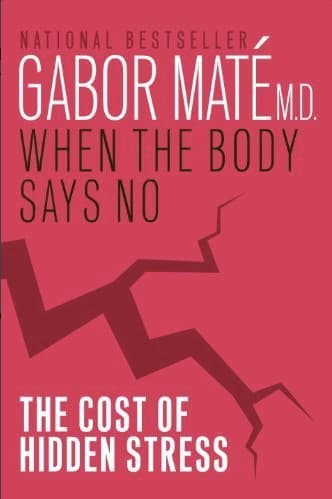
As an author, Dr. Maté has written several bestselling books including the award-winning In the Realm of Hungry Ghosts: Close Encounters with Addiction; When the Body Says No: The Cost of Hidden Stress; and Scattered Minds: A New Look at the Origins and Healing of Attention Deficit Disorder, and co-authored Hold on to Your Kids. His works have been published internationally in twenty languages.
Dr. Maté is the co-founder of Compassion for Addiction, a new non-profit that focuses on addiction. He is also an advisor of Drugs over Dinner.
Dr. Maté has received the Hubert Evans Prize for Literary Non-Fiction; an Honorary Degree (Law) from the University of Northern British Columbia; an Outstanding Alumnus Award from Simon Fraser University; the 2012 Martin Luther King Humanitarian Award from Mothers Against Teen Violence; and the 2012 AccolAIDS award for Health Promotion and Harm Reduction, Positive Living Society of B.C.. He is an adjunct professor in the Faculty of Criminology, Simon Fraser University.

click to purchase
A recurring theme in Maté’s books is the impact of a person’s childhood on their mental and physical health through neurological and psychological mechanisms, which he connects with the need for social change.
The impact of childhood adversity is noted in When the Body Says No: Understanding the Stress-Disease Connection. He notes that early experiences have a key role in shaping a person’s perceptions of the world and others, and in stress physiology, factors that affect the person’s health later on. He says that emotional patterns ingrained in childhood live in the memory of cells and the brain and appear in interpersonal interactions. He describes the impact of ‘adverse childhood experiences’ or ACEs (e.g. a child being abused, violence in the family, a jailed parent, extreme stress of poverty, a rancorous divorce, an addict parent, etc.) on how people live their lives and their risk of addiction and mental and physical illnesses, as seen in a number of U.S.-based Adverse Childhood Experiences (ACE) studies. Having a number of ACEs exponentially increases a person’s chances of becoming an addict later on e.g. a male child with six ACEs has a 4,600% or 46-fold increase in risk. ACEs also exponentially increase the risk of diseases e.g. cancer, high blood pressure, heart disease, etc. and also suicide and early death.


He says a system that marginalizes, ostracizes and institutionalizes people in facilities with no care and easy access to drugs, only worsens the problem. He also argues the environmental causes of addiction point to the need to improve child welfare policies (e.g. U.S. welfare laws that force many single women to find low-paying jobs far away from home and their children) and the need for better support for families overall, as most children in North America are now away from their parents from an early age due to economic conditions. He feels that society needs to change policies that disadvantage certain minority groups, causing them more stress and therefore increased risks for addictions.
In the book In the Realm of the Hungry Ghosts, he proposes new approaches to treating addiction (e.g. safe injection sites) based on an understanding of the biological and socio-economic roots of addiction.
He describes the significant role of “early adversity” i.e. stress, mistreatment and particularly childhood abuse, in increasing susceptibility to addiction. This happens through the impairment of neurobiological development, impairing the brain circuitry involved in addiction, motivation and incentive.
Dr. Mate argues the “war on drugs” actually punishes people for having been abused and entrenches addiction more deeply as studies show that stress is the biggest driver of addictive relapse and behavior.
Dr. Mate argues that patients should therefore be encouraged to explore their childhoods and the impact on their adult behaviors. Overall, he argues people benefit by taking a holistic approach to their own health. For instance, he has seen people survive supposedly terminal diagnoses by seriously considering their “mind-body unity” and “spiritual unity”; going beyond “the medical model of treatment.”
He has also spoken about how the rise in bullying, ADHD and other mental disorders in American children are the result of current societal conditions e.g. a disconnected society and “the loss of nurturing, non-stressed parenting.” That is, we live in a society where for the first time in history, children are spending most of their time away from nurturing adults. He asserts that nurturing adults are necessary for healthy brain development.
In this episode we welcomed Dr. Matè back onto the show to discuss how important it is to be your authentic self. We discuss how stress can have such a detrimental impact on our lives, we cover of the root causes of illness. We touch on the mind-body connection and much more.
Editorial Reviews for “When the Body Says No”
“Gabor Maté, M.D., skillfully blends recent advances in biomedicine with the personal stories of his patients to provide empowering insights into how deeply developmental experiences shape our health, behavior, attitudes, and relationships. A must read.”
—Bruce Lipton, Ph.D., author of The Biology of Belief
“The interviewees’ stories are often touching and haunting. . . . Maté carefully explains the biological mechanisms that are activated when stress and trauma exert a powerful influence on the body. . . . Readers will be grateful for the final chapter . . . in which Maté presents an open formula for healing and the prevention of illness from hidden stress.”
—Quill & Quire
“In this important book, Dr. Gabor Maté combines a passionate examination of his patients’ life histories with lucid explanations of the science behind mind-body unity.”
—Richard Earle, Ph.D.
Find Dr. Maté and his work here: www.drgabormate.com
To hear our first episode with Dr. Matè click Visit thehumanxp.com.
We rely on listener support to keep this show AD FREE – If you value even one of our shows, help us sustain and scale the show up; Become a member for 5$/mo (a cup of coffee) or Donate.
Read the conversation
Transcript
welcome to the human experience podcast the only podcast designed to fuse your left and right brain hemispheres and feed it the most entertaining and mentally engaging topics on the planet as we approach our ascent please make sure your frontal temporal and occipital lobes are in their full upright position as you take your seat of consciousness relax your senses and allow us to take you on a jet we are the intimate strangers thank you
for listening the human experience is traversing the realms of the mind-body connection as we speak to my guest dr. Gabor Matta dr. Monte it’s an honor sir welcome back to hxp Thank You dr. Monte your work has affected millions of people worldwide
why do you think people connect so much to the language in the potency of your message it’s only that there’s a medical physician as a doctor I have the experience and the scientific knowledge and language to put into words and to explain and you might scientific language a medical language something that people already know intuitively so in a Western world there’s this separation between intuitive knowledge and what we call scientific knowledge
what I happen to know is that the teachings of intuitive knowledge about the mind-body unity and the inseparability of our emotional and spiritual life summer physical existence has been proven by modern science and voluminous research and I’m able to have access to that research and able to translate that to people so really what people find themselves doing when they read my work where they hear me speak is that they recognize the truth of their
own experience and they have if you because they need this in this world some validation for their own experience now ideally people shouldn’t have to have their experience relative by an expert but in our world which denigrates into the knowledge and the knowledge of the heart it’s awful to people to have that knowledge confirmed by science and that’s I think what I do reasonably well yeah yeah I mean why do you think
Western medicine is so backwards in this regard why why do you think that more physicians aren’t discussing this in this way when you you say that what certain medicine Western medicine considers disease idiopathic which means they don’t know what causes it I mean it why do you think this is well Western science for hundreds of years now separating the mind from the body and that’s not strictly a function of science that’s really reflects the
nature of this to say that we’re living because we do live in a society where human beings for the most part are considered to be consider utilitarian value in other words the value of an individual is defined by how much wealth they create for others or for themselves or how much they consume which is strictly a physical way of defining human beings so the ideology of separating the mind from the body permeates the society not just the
medical profession not just the scientific world but the whole society and medicine being a part of this culture reflects the general ideological perspective number one number two physicians are comfortable with quantifiable data such as laboratory results and x-ray results and imaging findings then are comfortable with issues that are emotionally uncomfortable for example trauma which is a major factor in all the illnesses
as far as I’m concerned especially mental illness addiction and so on but also in physical illness like cancer rheumatoid arthritis multiple sclerosis even though the research shows the unity of mind and body in research shows the emotional antecedents of physical illness for most physicians even that the training doesn’t touch upon that that’s very uncomfortable territory and so they tend to resist or not to pay attention
to that kind of research or knowledge despite the fact that it’s published in major medical journals and scientific publications so it’s that split that permeates the whole society that’s also reflected in the medical profession and also of course doctors are short untimed they’re stressed people reoffend themselves they’re traumatized people and and so that a that I want to deal with their own stuff and secondly to delve into the mind-body unity and and
and to talk to people about their emotional lives in the context of physical illness that demands time and in modern metric medical economics doctors don’t have that kind of time and also is one more thing which is the very success of Western medicine I mean let’s face it my 91 year old mother-in-law would have not had been alive for the six years now at least or more had she not had amazing heart valve surgery and I know people who are brought back from
the brink of death by the successes and amazing achievements of Western medicine and just because we’re so very successful with those physical modalities we tend to ignore the other part of it now most disease is not amenable to these heroic interventions but we tend not to recognize that because we’re we are successful we’re so spectacularly successful right I mean what what is happening dr. Mattei when they’re you know between the brain
and the body when we you mentioned trauma when we experience trauma when we’re suffering from disease and illness and how how do you feel that the body is kind of sending these signals into the brain well it’s very very simple if I were in the same room with you right now and if I threatened you with a weapon or physically became aggressive towards you the first thing you’ll experience appropriately enough would be fear
if you didn’t experience fear you’d be in trouble because that fear would then help you alert you that there’s danger and you need to do something about it now in response to the emotion of fear the hypothalamus in your brain would release some hormones which look inactivated another gland in the brain called the pituitary gland which would then send messages to your adrenal gland on top of your kidneys to release the
stress hormones adrenaline and cortisol adrenaline cortisol will help you mount the flight-or-fight response to give you more energy to give you more strength they make it faster they permit you enable you to mount a defensive response without which you would not survive that’s in a short-term but those same hormones if they lasted at a high level in your body for a long time would significantly damage your health we know
this so adrenaline will increase your risk of heart disease and stroke scenario blood vessels make you anxious cortisol within your bones also rate your intestines suppress your immune system increase the risk of heart disease make you depressed so on and so on and so on so in other words the short-term triggering or the stress response helps you survive the long-term triggering of it kills you or causes illness and what trauma does when
trauma happens to people and usually happens in childhood it potentially it’s a long term activation of our stress responses so that let’s see if you’re traumatized child who were say just to take an extreme example beaten by your parents mm-hmm you might have a lot of fear out there in the world you always be would be very defensive because you believe that the world is very hostile that’s how you experienced it now if you
live in a hostile world you’re always in a fear mode and you’re and you’re very quickly triggered into that stress response that fight-or-flight response so that means those hormones are now acting against you rather than for you now mentioned early trauma and also triggers long-term processes of inflammation in the body so that children that were traumatized you measure a certain number of inflammatory proteins in their
bloodstream as adults they’re elevated because of the CH other experience so they’re more likely to get disease of inflammation including heart disease including autoimmune disease and so on so there are many many many ways that I could really spend the whole day just talking about the ways in which trauma potentially it’s Onis but really it’s a very simple straightforward physiological connection there’s nothing abstruse about it there’s nothing hidden
about it right I mean what is the difference between a person who is someone who has suffered trauma and reacting healthily towards stress and someone someone who who probably you know had isn’t living a normal life and and dealing with minor kind of hassles I mean what’s that what’s the difference that’s happening there in regards to dealing with stress and how a person reacts to a trigger event well the traumatized person reacts with
an extreme overreaction to mind a lot of the minor events a non traumatic person will react appropriately so that the stress response you know let’s say you’re not traumatized but I will threaten you somehow then you wouldn’t want a stress response that be appropriate to the situation and once the situation was resolved your stress response would abate and you move back to your normal regular healthy state but if you were
traumatized person your reaction would be over the top you would have your brain would be flooded by the stress hormones and you’d actually have less capability to know what to do in order to protect yourself and the emotional and physiological impact of the incident will last a lot longer and for traumatized people this happens day after day after day because they get to be triggered by whatever happens in a relationship with their spouse or
partner or fellow workers or employees or employers right there in the street you know they react to everything whether they’re aware of it or not and director everything in a way that is beyond the needs of the actual situation and that’s a lot longer than a situation so they’re constantly under stress whether they recognize it or not enough and I don’t because when you’re used to stress a stress State feels normal to
you so you don’t even know that you’re being stressed hmm yeah that’s fair it’s very intriguing when you you also discuss that who gets sick and who doesn’t isn’t accidental can you expound on that a bit well in my book when the body says no which explores these stress disease connection I interviewed a lot of people and I also with illnesses and I also do upon my own clinical experience as a physician and a palliative care doctor and truly over
time you get to notice that especially when you as the family physician as I was you get to see people before they got sick and you get to see what families see the specialist only sees people after they’re sick no healthy person was no specialist so that the specialist never sees them in their free disease state as I did and what I found that the people that were prone to chronic illnesses like cancer autoimmune disease like rheumatoid arthritis
colitis Crohn’s disease chronic fatigue Lyme disease psoriasis chronic asthma multiple sclerosis ALS Parkinson’s I could carry on the longest there’s certain characteristics one of them is they tended not to be aware their emotional needs and very often tended to be more concerned with the emotional needs of others at at the risk of their own number one number two they tended to rigid identification with duty role and
responsibilities so rather than knowing who they were just as human beings valid in their own right they sought to I identify themselves with the work that with how other people saw them which meant they were constantly striving to do more and more and more in every little contour just being does the second characteristic the third one for the most part they had great difficulty experiencing let alone expressing anger
in a healthy way so there is such thing as healthy anger and it’s a boundary defense these people very often tend to be nice and they learned very early in life it’s not their fault by the way I’m not talking about character defects what I’m talking about here are a ways of coping that people develop to deal with their childhoods so in if you were up in a family where you’re not allowed to be angry otherwise your parents would be
mean to dine on you then how you to survive you survive by repressing your anger which doesn’t mean that the anger goes away it just means that it works against you rather than for you and given up you know how we have the scientific evidence not for the actual unity of the emotional centers in the brain with the immune apparatus and the hormonal apparatus in the nervous system when you’re suppressing emotions you’re
also having an impact on your immune system and your nervous system and your hormonal apparatus and so the repression of anger is a major risk factor for all manner of illnesses and it’s almost universal in people with autoimmune disease and and and and most cancers the final characteristic the fourth one then is a belief that you’re responsible for the people feel and coupled with the belief that you must never disappoint
anybody which means you keep doing things that may harm you or be stressful for you but you’re doing it to appease others these things create stress you were gonna say about anger yeah I was just gonna say you know it anger how do we measure anger in a healthy way and also it’s I mean you say that it’s it’s a it’s a defense against boundaries I mean do you do you find that people with maladjusted kind of boundaries or people who suffer
are suffering from excess stress or people who have been traumatized there are their boundaries kind of thinner or they they’re different boundaries right well look first of all let’s take a sexually abused okay when you talk to these people as adults and you asked him the question Bremen you abused well when I was five how long did it go on two years who do you speak to about it the answer uniformly is nobody now think about that for a moment if you
had a five-year-old child and somebody even looked at it the wrong way who would you want him to speak to if this is your job if this is your child yeah you wanted to talk to you if you found that Xavier for that just for the sake of a thought experiment if you found out that your five-year-old had been violated that way and had not talked to you how would you explain that I don’t know it’d be a really hard situation no but I’m asking you what
would you understand that why your child is not talking to you but there is an explanation which is that the child didn’t trust you to protect her that the child learned that you weren’t available for her no for young children the parents are the necessary boundary the childhood the infant is no boundaries the the parent has to be the boundary and through the proper boundaries of the parent the boundaries that the parents
draw around the child the child learns their boundaries these children who are abused they’re picked on precisely because that boundaries lacking because already they lost a relationship with the parents so trauma itself has to do with the loss of boundaries no when the child is being valid like that what do they feel like if you’re let’s just imagine somebody inappropriately you as an adult try to force themselves on you
rob emotion would you have what’s the first thing what’s the first emotion you’re not I would be shocked you’d be angry is ever change yeah anger – of course you’d be angry because that anger is your protection so anger is a boundary production but what can it look in a five-year-old child do with the anger in against an abusive adult a fire child who’s got no support from their parents what can they do with that anger there’s
an exercise yeah can they express the anger it would be hard for them to express the well if they did if they did they would put their lives in danger because angry means I’m gonna fight back and how is the child gonna fight back against an adult so that the child’s survival depends on repressing the anger and that becomes a life pattern that’s how they survive now all their lives now they’re afraid of anger and they’re very
very nice all the time but that means their boundaries are being invaded all the time and they’re not protecting themselves so healthy anger is nothing but a boundary defense healthy anger is a boundary defense that occurs in the moment if I were to violate your boundaries right now even as we speak to one another and you said gob or don’t talk to me like that that would be a healthy expression of anger and you’ll be
healthy because be appropriate to the situation protect your boundaries and it’s over as soon as the threat is gone now that’s the healthy way to deal with anger the only unhealthy way the anger on sorry the unhealthy way to deal with anger has two possibilities pretty much scuse me one is to repress the anger she barely even experienced it and the other is to become a rageaholic where the anger bursts are you for no reason or for no
adequate reason and it keeps going on and going on and going on and both the personal repressed anger and both the and the person who is a rageaholic where the anger is volcanic they’re both at risk for health in the first case for cancer autoimmune disease in the second case for heart disease because both the repression or the volcanic eruption of anger have significant impacts on our immune systems in our cardiovascular
system and you’ve measured this you’ve I mean you’ve studied this through through your patients and well not only I’ve studied it doesn’t mean thousands of research papers on these relationships it’s not this much that it would be difficult I mean again you know if you understand human beings are unified entities where the emotions and the hormones and the nerves and the core vascular system and the immune system these are all aspects
of our survival mechanism then how could they possibly be separated and how could it be possibly imagined that when something occurs in one aspect of that one aspect of that system that that will not affect in the other parts of the system now this also means that when people get diagnosed with a condition saving multiple sclerosis or rheumatoid arthritis the condition does not exist as an abstract isolated entity by itself
it reflects the life of a person and that person’s relationship to themselves and that means that the diagnosis need not be a chronic jail sentence or a death sentence depending on a person man is helped to deal with it if they if they’re brought to understand but these lifelong emotional patterns do have an impact on their physiology and by changing those patterns they can actually alter the physiology in a healthy way it means that multiple
sclerosis can actually be creating mitigated or even reversed and I and I’ve known many examples of that even more fail disease like ALS I know people who survive that by changing their relationship to themselves I’m not saying it’s easy not am I saying that everybody can be cured but I’m saying that millions and millions and millions of people could lead much healthier lives if this basic scientific awareness somehow was infused into medical
practice but it isn’t and the word trauma is not even mentioned in medical schools for the most part so the I mean the core message here is that disease represents how we are living our lives yes and some aspects that are obvious like if you smoke or if you’re a poor person with poor job prospects you live in a highly polluted area we know you’re gonna die much earlier than somebody who’s wealthy doesn’t smoke and doesn’t
live in a polluted areas losses are obvious the part that is less that’s largely unknown by my profession is how are you related to us to see how you relate to ourselves emotionally on a day to day moment by one basis also as a huge significant impact so that’s what I concentrate on and when the body says no this is their emotional issues ourselves because that’s the hidden one the the book when it originally came were in
Canada the subtitle was so when the body says no the cost of hidden stress mm-hmm that too is a more accurate title the American title subtitle is exploring the stress disease connection which is not inaccurate but the Canadian subtitle the cost of reading stress is really what I’m trying to say is that these daily chronic unconscious stresses that we create for ourselves unwittingly because of our childhood programming they’re the
ones that undermine our health and they need to be addressed going back to boundaries and you know I appreciate the wisdom in your words but but going back to boundaries here and you know you talk a lot about how people who have suffered have difficulties saying no and there there are impacts of not saying no I mean how can we be better at kind of recognizing our boundaries and when to say no well I mean let me ask you a simple question if
that’s okay with you if you go back over the last week in your life and I and I don’t know your person I don’t know how you live what do you have awareness you’ve been carrying moment you probably I know you’ve done a lot of work that I get from your words so maybe this is not an issue for you but let me just ask you this in the last week or the last two weeks were there times when this doesn’t know in you that wanted to be said but
you didn’t say it I mean I’m pretty good at saying no I yeah I mean I know I mean I’ve definitely not always been good at saying no okay no I’m not okay so right when you don’t say no what is the impact that doesn’t mean you don’t say no I’m not saying there was a direct emotional effect and it it weighs the headily and I and I start to think about that event and I replay it over and over in my mind na and I start to
you really worry about you know why I didn’t say no why why I didn’t speak up so this is an emotional impact right yes because their physical impact yeah there’s a it’s a heaviness you know it’s like a guy got type feeling and that happiness reflects activity in your nervous system and in your in your intestines in other words do not say no is it direct physiological effect and you are even aware of it a lot of people
not even aware that they’re doing this so the impact is all the heavier so virtually any chronic symptom like difficulty sleeping dry mouth back pain palpitations nausea stomach pain fatigue just a whole range of physical symptoms that the body will throw at you to wake you up it’s the body with the but it’s the body’s way of saying no if you don’t and you can learn from that so whenever a you have physical symptoms when you ask him y’all can you learn
from this here’s how you can learn from it whatever your physical symptoms migraine headaches whatever it is you get the physical help that you need I’m not saying don’t go to the physical symptom relief I mean nobody’s paid to suffer but at the same time ask yourself what am I not saying no to that my body is saying for me what is it is my relation with my spouse or my work or something where I’m not saying no or I need to say no so you learned from your
body that’s the first thing the second thing is once a week you’d sit down ask yourself where this week did not say no and what was the impact on me and why did I not say no oh oh I didn’t say no because my belief for us that if I say no I won’t be loved in other words I believe that love is conditional and I’ll never get unconditional love I want to get love on the condition that I behave myself for the sake of others now
is that how you really wanted of your life in other words it’s just a genuine and ongoing inventory of authentic your being yeah and your body will give you signals and you yourself and do that kind of self-examination those are two very simple ways of learning and then of course you can reflect back well where did I learn that love was conditional role did I learn that I was only lovable when I met the expectations of others well I learned
that when I was three years old well do you want to live my life based on what a three-year-old believed about the world on a bad day is that how one of this so it’s not that it’s not that difficult but it does take conscious attention yeah and I mean dr. Mattei it’s it’s interesting to me because you know I a lot of the people that I talked to and the people that I encounter and I meet a lot of people but it seems like we’re
all kind of walking around with this with some level of trauma that we’ve experienced in our lives and somehow it’s filtered in into through through time into our adult lives and we’re still managing this I mean do you I mean how do you regard this this system like this sort of earth system on earth incarnated here on earth in a spiritual way that there you know there are so many people suffering through trauma through their lives well first of all
let’s define trauma so trauma it’s not the bad things that happen trauma is the result of that external thing happening inside ourselves so the traumatic event is not that my father hit me or my uncle abused me or my mother didn’t listen to me those are the external figures for sure but the result of all that is I get disconnected for myself because as a child the only way I can survive if I’m totally alive to my emotions and all
this is happening it’s unendurable for a small child so the only way we survive is to get disconnected from ourselves that is our protection from suffering so I don’t feel as much I don’t feel I don’t feel my gut feelings of nausea disgust I want to run away I don’t feel my gut feelings of anger that’s why I survive that means I separate for myself now in our society that is almost universal and that’s for all our reasons
but fundamentally it goes back to a system that makes it very difficult for parents to give their children unconditional love I’m not saying it makes it difficult for them to feel unconditional a lot of parents feel that for it-it’s very difficult for them to deliver it in a way that the child can receive it could the parents themselves are traumatized and stressed and there’s so many ways in which our society stresses parents and bakes up families
so you’re quite right as a result virtually all of us are walking around with some degree of trauma which is to say some degree of separation from ourselves that’s just how it is and the spiritual task really is to recommit is also the emotional task is to reconnect with our authentic selves and see the good news is that the traumas not what happened 30 years ago or 20 years of over 50 years ago if that was the trauma then there’s
nothing you can do about it what had happened but if the fun was a disconnection that disconnection can be repaired this very moment that can be recovered the connection with ourselves can be recovered in fact we talk about recovery is healing and recovery means to find something so in a case of addiction for example people recover what do they find again they find themselves and interestingly enough I’ve lived up to many dying people and in
palliative care for example I’ve had I’ve heard this many times and I guess you would – I’ve heard this from people with even with terminal illness or serious illness that a person will make the astonishing statement that this illness is the best thing that ever happened to me now have you heard of the kind of statement hmm interesting yeah I mean I I have heard that mentioned why why do people say that because it gave them something more
precious than anything else which is their connection themselves it forced it forced them to realize so disconnected they were and data and their experience of our authentic selves is the is what wrong with spiritually teacher cause this the precious pearl and that’s what we lose and it’s so hard to get back to it I mean it’s simple but it’s so difficult I can tell you in my own life that is my that is my task you know that is my
ongoing responsibility and the same thing for all of us depending whether we’re gonna take that on or not take it on and on in our society were given so many blandishments so many ways of escaping from ourselves it’s all about escape people people’s experiences themselves is unpleasant and it’s stressful and rather than realizing that that’s because we’re not going to hurt ourselves we just look for the nearest path of escape from our discomfort and
so there’s a million ways and for the internet through television through movies through food through sex through power through well through sports to any number of activities we just run away from ourselves but last night I watched the end of the basketball game between Cleveland and Golden State and Cleveland won it was an amazing game and you know but amy was talking about how traumatized Cleveland had been for the
last 50 years or 60 years because they had no any kind of sports championship that’s total nonsense so lot if a bunch of men on a small court didn’t score more more points than some other bunch of men on the same court how’s that traumatic but it’s but it but it speaks to the the madness the the hypnosis that people live under and that hypnosis is designed where these serve the function of helping us distract ourselves from
our suffering rather than seeking for the resolution inside ourselves by reconnecting we want the sports team to score more points so we can feel better of ourselves for two minutes it’s very powerful yeah yeah dr. Monte I work in the startup industry as well and I I find that it’s an incredibly stressful atmosphere to work in and a lot of the people around me you see kind of fail and they fail at you know they they fail
out launching their companies they fail that they’re working 12 hours a day it’s obvious that they’re they’re suffering and I mean how does how does what we do and our relationship to what we do affect our stress levels and longevity for our lives the issues not what we do the issues who were being and in our society the emphasis is on what we do and we do that because we learned very early in life that it’s only through
doing that we justify our existence because we weren’t accepted our parents and I speak of myself as a prank as well I was not able to accept my kids just how they were former they were and celebrate them for who they were regardless of their doings so we all learn that is by doing that you validate our existence that we gain value and that we find meaning and so what else is undoing and I’m telling something no matter of doing even if you succeed
whatever give us that meaning I know that personally doesn’t matter how many hundred thousands of copies of books I sold or how many standing ovations I get or how many people thanked me for for helping them some are in their lives that does not give me meaning or validation does it this attempt ireri excitement about it perhaps but in the morning I still wake up if I’m in that mood with that same sense of meaninglessness and purposelessness so I
know that success doesn’t give it to you the people haven’t had success yet they think that if I’m only be successful I’d be okay the reason is that we’ll never get connection to ourselves or through reality or the truth through doing it’s not a question of doing it’s a question of being and that of course is the spiritual quest of connecting with being in our lives so you know the conversation we can talk about the physical aspects the
physiological aspects the emotional aspects ultimately does come down to our capacity to be rather than to do and when we were okay with our being then what we do doesn’t become so important it doesn’t become the testing ground on which we measure our value and you’re referring to the authentic being the authentic self that’s what I’m referring to mm-hmm it’s intriguing I mean uh you cover in your work you talk about
caregiver stress and I want to talk I want to cover this a little bit you say you talk about how the child feels the pain of the mother I mean how does it how does that happen how does that work children are narcissists by that I mean nothing negative I mean simply that they make everything about themselves that’s just a nut child’s natural response when the mother suffers the child immediately believes that it’s because of them the
child and that is their responsibility to fix it so the way they say they need the mother and if the way they can engage with the mother is to try to make the mother feel better somehow or the poor the father for that matter then that becomes their lifelong pattern now they become chronic caregivers it’s called the Penta fication of the child it’s a reversal of roles that happens for a lot of kids and that also role as
the great british psychiatrist John Paul II pointed out is almost inevitably a source of pathology in a child later so that again what we’re talking about is not mistakes that we make or character faults we’re talking about coping mechanisms so the taking care of the parent let’s say now in an alcoholic home becomes almost automatically their responsibility of the child but not only does it become a responsibility when
they’re children it also becomes the personality that they because that so they survived that means even after they no longer need to do it they still keep doing it no longer with their parents but with everybody else mm-hmm that means they ignore their own needs so they become these people tend to go into health care work very often because there’s a natural way to play out that scenario when the Union get paid for it
and they get a lot of praise for it you know like I have but if you’re doing it and it’s nothing wrong with caring for others in fact as human beings we need to do that obviously but if we do it compulsively and chronically and unconsciously then we overextend ourselves and we stress ourselves then you get sick I’d like to deconstruct a little bit about your own personal journey and you know you talked about success in a way
or a little bit earlier where I mean at what point in your life did you feel like was there was there any point in your life where you felt like okay I’ve I’ve made it or I’ve done it I’ve helped enough people I’ve reached enough people this book has got has sold enough copies has there ever been a period in that in your life like that I mean let me take a moment with that question I can answer there are three levels that occurred to
me right now the first level is that I’m satisfied that if my career ended right now today this is the last into your like ever gave in the last public experience professionally I’ve ever had I could say to myself okay God what you’ve done enough you’ve done your work and your work will continue even if you don’t continue so I’m on level I know that mm-hmm and that’s you know that’s actually a source of peace for me number
one number two I don’t feel my work is finished yet I I believe there’s something more in me that I need to express and need to bring to the world hmm and we’ll see how that plays out but I hope I won’t relate to that compulsively mmm-hmm so if I find out that is not the case I I can peacefully accept that and on a third level there’s still that we call it and and seeing I have to notice it regularly I did this thing of know
something I have to really practice still because my natural tendency is okay here’s another book somebody want you to read and provide an endorsement for here’s another speaking Asian ears somebody else to myself will just can’t find it anywhere else you know and it’s not easy for me to say no and and and when I don’t that is an impact on my marriage in my personal life and my fatigue level and all that so it’s an awful you know your question the answer
their question lives on those three levels oh I appreciate you attempting I mean I appreciate you answering them you know I just jumping back into your work here I you know you talk about the medical lexicon kind of being dated and you know I I also wonder the same I wonder why why why doctors aren’t focusing more on I mean you you say you talked about how the doctor-patient relationship is sort of a transaction you go there and you you list your
symptoms and the doctor says is here here’s a medication to either make those symptoms go away but there’s never a question that is stated like what happened to you and your child like how was your childhood growing up how’s your present will issue with your spouse are you issue with yourself how much stress do you take on when do you say no where you’re not saying yes we you should be saying us where there’s some creative
original that leads to express itself but you’re suppressing it because you’re too busy doing other things so all these questions never mind even about the childhood it’s even if it was only the child that it wouldn’t matter the problem with the childhood is that it programs the present so the childhood comes into it as the source of those patterns but it’s really the present that you have to concentrate on and yeah those questions don’t come up you’re
quite right well there’s a kind of the deal that’s being made there a transaction as you say the patient says I got the symptom but I want to think about what it’s all about just take away my symptom and the doctor says I know how to I have the knowledge to help mitigate the symptom but I have no knowledge to look at the cause of it therefore I’m gonna give you the symptom relief thank you very much ten minutes is up six minutes is up
here’s your prescription goodbye and that’s the transaction it’s not just a doctor it’s also the patient now I find however that many many patients not everybody some people find this stuff too difficult too challenging too painful to look at but many many many people who wants to rise once they’re asked the right questions do get interested in searching themselves for the answers hmm yeah you know a friend of mine works in he’s and
he’s causing himself a transition specialist he works in addiction and he he goes to these clinics and he talks to people who are addicts and and helps them and you know we were we were talking and we were having this conversation he was talking about how the Medicare system is so rigged but through you know over billing their patients over over billing in the insurance companies doctors having this sort of network of referral type systems
I mean how do you respond to this how do you react to this well there’s truth in that I mean again in doctors were paid to you know in an HMO where the doctor is basically told that you have six and asportation if your GP what are you gonna do and furthermore if your medical doctor and you read in medical journals and and publications and all the research is funded by drug companies because they are the ones with the money and they
have no interest I’m looking at non pharmaceutical ways of dealing with things why would they that’s not where their profits are so that’s if that if that first of all if you limitation is they can only spend so much time number one number two your training is in no way prepared you to deal with these issues number three your constant bombarded by pharmaceutical propaganda what are you gonna do so it’s not the corruption of individual
doctors that’s at issue here it’s the whole system is rigged that way it’s set up that way I mean if we can just jump around a little bit and go back to the the mind-body connection I mean there’s you talk a lot about how the central nervous system and the brain are constantly in communication and it’s not that the central nervous system in the brain are constantly in communication the brain and the nervous system is the
central nervous system in other words it’s not like a few systems in communication the braiding is the key part of the central nervous system obviously by central nervous system we mean the brain and the spinal cord basically and then the nerves that extend from the spinal cord or what we call the peripheral nerves okay but so so just important to recognize that the brain which is the part of the body that receives communication from the external
world and interprets those communications and responds to them is the key part of the central nervous system and these systems are in constant communication right and there’s more there’s more messages going from the body to the brain through the the nervous system right oh yeah the brain receives many more messages from the body then it sends out and that’s done to the other night nurse so we’re not aware of those communications but they
happen all the time so you’ve got Spencer making more sense many one message to the brain then it receives for example that’s why God feelings are so important yeah and and this is psychoneuroimmunology is that well these science that studies the unity of the psyche which is the emotional centers in the brain with the nervous system with immune system kundo a moral system the cardiovascular system that science is called psychoneuroimmunology which is
just a fancy word for saying that it’s all one so dr. Mattei I mean were we’re about to wrap up here in a few minutes but I mean what do you think that you know either a person can do with their lives someone who maybe listen to the show and is experiencing stress and is starting to recognize that they are struggling with stress and what is the single most important thing that they can do to better their lives well I
don’t know that if you reduce it to a single most important thing but the answer that leaves immediately to mind is they need to become conscious because these patterns in the automatically play out this childhood scenarios that we keep re-enacting and reenacting and reenacting they’re done unconsciously not deliberately not to a fault and not even to the fault of our parents but they did their best given what they had
they just multi-generationally translated patterns of trauma that we keeps and manifesting in our lives and we need to become conscious of how we do that and let me do it and why we do it so the gain of a consciousness is the is the king you know that in the Bible the Proverbs it says the beginning of wisdom is the gaining of wisdom in other words we have to wake up so the very fact that somebody might hear this conversation
and then I realized that oh I’ve been caught in these patterns I see some of that in myself that’s the beginning of it now then they have to go out deep in their consciousness how do they do that well I hope some people will be inspired enough to beat my books on addiction or stress and health or whatever there’s a lot of information in there or they find not a lot war and contain a then do the research for themselves and they may
start asking themselves so once a day where did I not say no today where I needed to where did I not say yesterday but I needed to what is the impact of my not saying no just the same questions I put to you before right what is my what is my body telling me what kind of symptoms what kind of messages my body’s telling me in other words it takes awareness and paying of attention it takes me it takes the making of a decision that I
matter and my health matters and if something matters I’m gonna pay attention to it and not just keep living my life unconsciously and hoping that everything will turn out okay yeah that’s I mean it’s so profound just that the simplicity of it and I and you know that you have done all this work to kind of bring this to the forefront and and at least give people you know resource to go to with your books and your writing it’s amazing and you know it’s
it’s it it’s truly truly great to hear someone you know actually discussing this well thank you and people can hear more of that without any charge whatsoever simply by finding my lectures or public talks on YouTube people keep posting these on YouTube but I don’t post them but they’re on there and lots of people find them a benefit just to my website people can find them we’re just going to YouTube they can find them in
other words and that’s just me you know what I miss lots of other there’s obviously lots of other people but there are other people delivering this kind of message you know Peter Levine on trauma vessel Vander Kolk on trauma John boyega on stress lots of people now relatively speaking compared to a little while ago or and now bringing this information to the forefront so you know there’s lots of good information out there once
people start looking yeah dr. Montaigne on that know what what is your website how can people get to your website wwlp.com dr. Mattei sir thank you so much for being here again and I really really appreciate the wisdom in your words thank you so much thank you for the interest in my work thanks a lot this is the human experience we will catch you guys next week thank you so much for listening you
Ideas worth returning to
Quotes
Five substantial excerpts from the published transcript, lightly edited for clarity without changing their meaning.
“If I threatened you with a weapon or became physically aggressive, the first thing you would appropriately experience is fear. Without fear, you would be in trouble. Fear alerts you to danger and tells you that you need to act. In response, the hypothalamus releases hormones that activate the pituitary and adrenal glands, producing adrenaline and cortisol for the fight-or-flight response.”
From the conversation“If you were traumatized as a child—for example, beaten by your parents—you might carry a great deal of fear into the world. You could become defensive because experience taught you that the world is hostile. When you live in that fear mode, the fight-or-flight response is easily triggered. Over time, those stress hormones begin working against you rather than for you.”
From the conversation“Parents establish boundaries around a child, and through those boundaries the child learns to recognize their own. Children who are abused are often targeted precisely because those boundaries are missing, often because the relationship with the parents has already been damaged. Trauma itself has to do with the loss of boundaries.”
From the conversation“Ask yourself: Where this week did I want to say no, but didn’t? What was the impact on me, and why didn’t I say it? Perhaps I believed that if I said no, I wouldn’t be loved—that love was conditional, and I could receive it only by behaving for the sake of others. Is that how I really want to live? It requires an ongoing inventory of authenticity.”
From the conversation“People who have not yet achieved success often think, ‘If only I become successful, I’ll be okay.’ But we never find connection to ourselves, reality, or truth through doing alone. It is not a question of doing; it is a question of being. That is the spiritual quest: connecting with being in our lives.”
From the conversation
About the guest
Gabor Maté M.D.
Gabor Maté M.D. is a world renowned speaker and bestselling author. He is highly sought after for his expertise on a range of topics including addiction, stress and childhood development. Rather than offering quick-fix solutions to these complex issues, Dr. Maté weaves together scientific research, case histories, and his own insights and experience to present a broad perspective that enlightens and empowers people to promote their own healing and that of those around them. For twelve years Dr. Maté worked in Vancouver’s Downtown Eastside with patients challenged by hard-core drug addiction, mental illness and HIV, including at Vancouver’s Supervised Injection Site. With over 20 years of family practice and palliative care experience and extensive knowledge of the latest findings of leading-edge research, Dr. Maté is regarded as a leader in new ways of looking at how we treat illness and disease. He speaks regularly with health professionals, educators, and lay audiences throughout North America and the world.
Episode 144 – John Assaraf – Goal Setting, Fear conquering, unlocking your brain for success
September 19, 2019 · 1:26:35

Episode 196: Waqas Ahmed — Polymathy, AI & the Future of Human Creativity
September 28, 2026 · 1:04:41

Episode 195: Dr. Satchin Panda — Circadian Rhythm, Sleep & Meal Timing
September 21, 2026 · 1:09:04
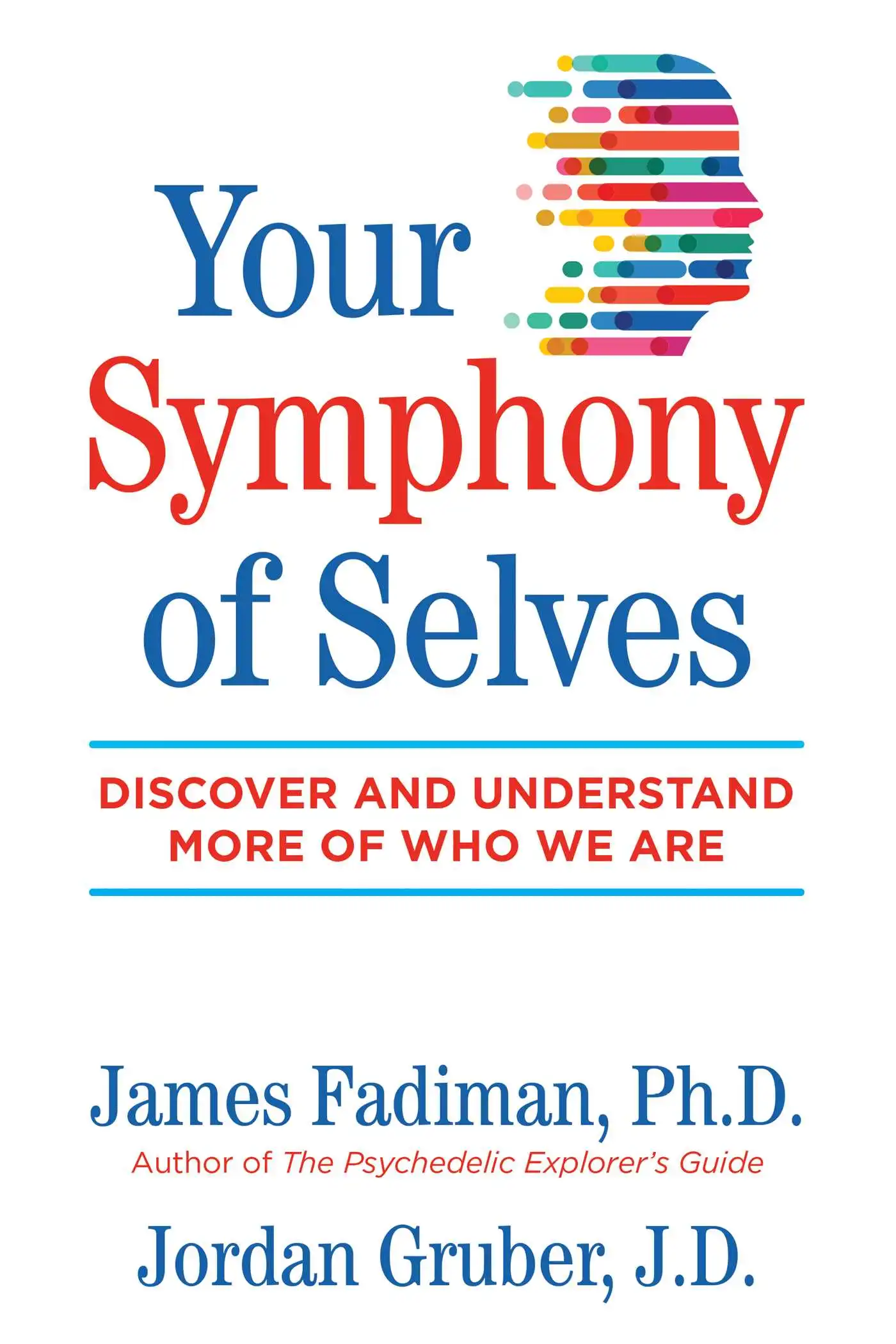
Episode 194 Dr. James Fadiman – You Are Not One Self: Microdosing, Multiplicity and the Mind
September 4, 2026 · 1:14:38
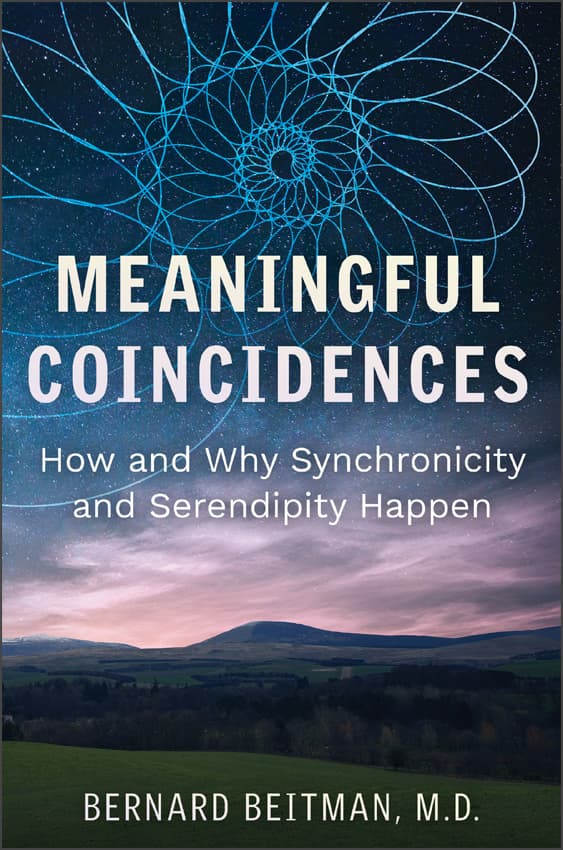
Episode #189 – Dr. Bernard Beitman – The Science of Synchronicity and Meaningful Coincidence
January 6, 2023 · 1:14:27
Episode 171 – Surfing Monster Waves, Mastering Fear & Flow State w/ Laird Hamilton
July 6, 2020 · 46:18
Independent conversations
Help make the next one possible.
Membership sustains ambitious, unhurried interviews and keeps the complete archive open to curious listeners everywhere.
Become a member